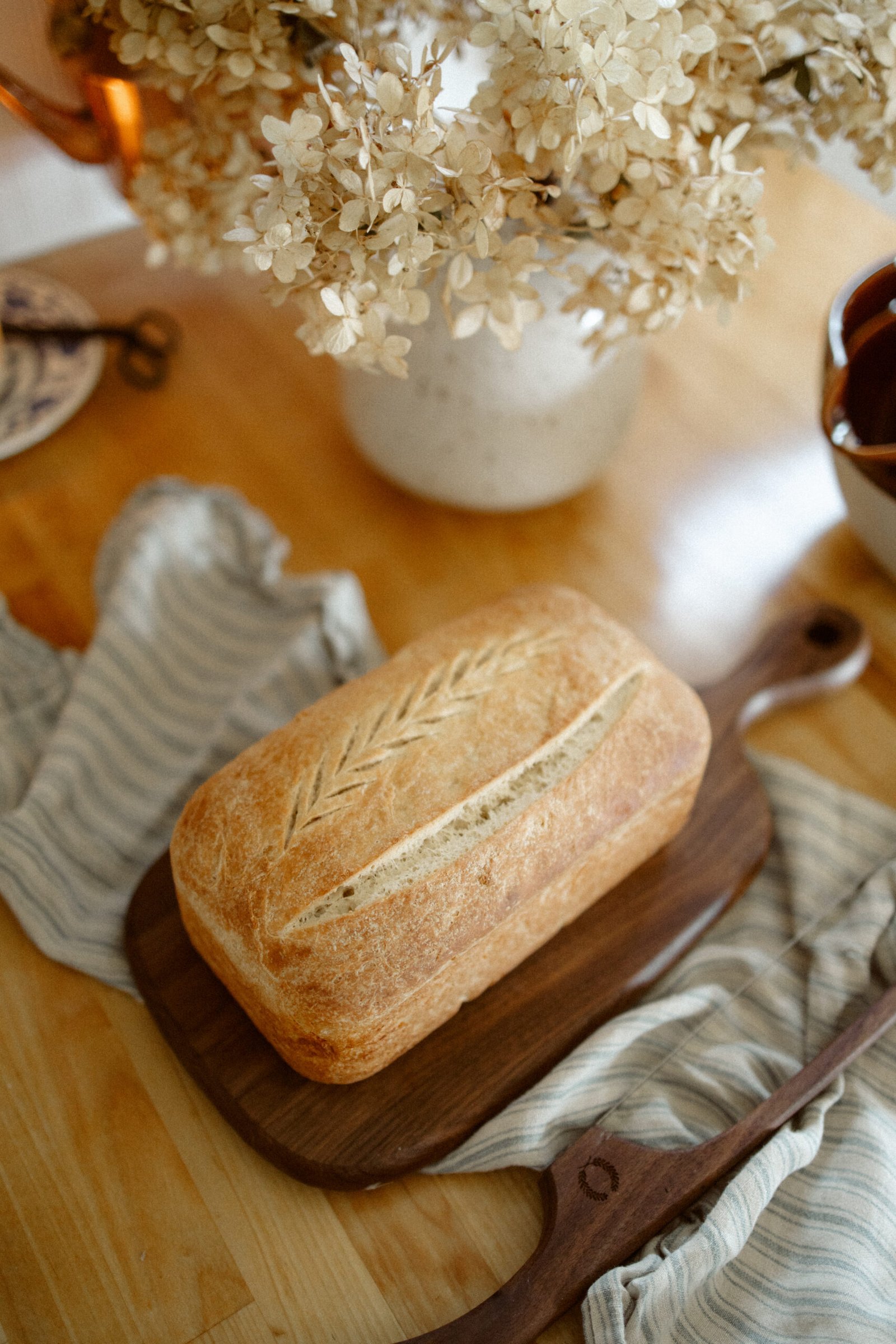
Making homemade sourdough sandwich bread is one of the most rewarding and wonderful baking projects you can ever try in your own kitchen. This recipe takes the deep flavor of traditional sourdough baking and turns it into a soft sliceable loaf that is perfect for making everyday sandwiches. Unlike a rustic sourdough boule that has a thick crunchy crust and large open holes that let jam or sauce drip through, this loaf has a tender crumb and a soft golden crust that keeps everything together. It is designed to be soft enough for kids to enjoy while still keeping that rich natural tangy taste that adults love so much. Baking this bread at home allows you to take full control of the ingredients you put into your body every single day. You will not need any commercial yeast or artificial preservatives to make this loaf rise into a beautiful shape. All you need is active sourdough starter, flour, water, salt, a little bit of honey, and a touch of butter or oil to create pure bread magic.
People all around the world fall in love with this sandwich bread recipe because it gives them the absolute best of both worlds in every single slice. Traditional sourdough can sometimes be too tough or chewy for quick morning toast or school lunches, but this loaf solves that exact problem completely. The addition of a small amount of fat from butter or oil makes the inside of the loaf amazingly soft and smooth while keeping the outer crust delightfully gentle on your teeth. Bakers love how easy it is to slice clean pieces without having the loaf crumble into tiny bits across the kitchen counter. Families love the comforting aroma that fills the entire house while the bread bakes slowly in the oven on a quiet weekend morning. There is an incredible sense of pride that comes from holding a fresh warm loaf of bread that you made entirely from scratch using natural fermentation techniques. It brings back wonderful memories of classic homemade meals and slow living that warm your heart and soul.
There are so many great reasons to start making your own sourdough sandwich bread today, whether you care about health, emotion, or amazing flavor. From a wellness perspective, natural sourdough fermentation breaks down gluten and phytic acid in the flour, making it much easier on your stomach than fast store bought bread. People who normally feel heavy or bloated after eating regular wheat products often find that naturally fermented sourdough agrees with their body much better. From an emotional standpoint, baking bread acts as a peaceful stress relief ritual after a long busy week at work or school. Kneading dough and watching it rise teaches patience and gives you a calming break from glowing screens and daily anxiety. On top of all that, the taste is simply unmatched because slow fermentation creates deep complex flavors that factory bread can never copy. Every single toast slice turns into a gourmet morning meal that powers your body with long lasting energy and absolute joy.
If you are brand new to sourdough baking, you might feel a little nervous about working with wild yeast, but this guide will walk you through every single step with complete confidence and total ease. You do not need any fancy bakery equipment or professional skills to achieve stunning results on your very first try. All you really need is a basic bread pan, a mix bowl, a pair of hands, and a willingness to give your dough the time it needs to ferment properly. Sourdough baking is a gentle journey that rewards patience far more than technical skill or speed. Once you see your plain bowl of flour and water transform into a tall fluffy golden loaf, you will never want to go back to buying plastic wrapped factory bread again. This recipe is designed specifically to fit into your busy weekly schedule without demanding all your free time. Let us dive right into the ingredients and steps so you can fill your home with the unbelievable scent of fresh warm sourdough today.
Ingredients You Will Need
To make one full size loaf of sourdough sandwich bread, gather these simple ingredients:
-
Active sourdough starter: 100 grams (bubbling and fed within 4 to 8 hours)
-
Bread flour: 500 grams (unbleached flour works best for a strong rise)
-
Warm water: 300 grams (filtered water preferred, warmed slightly to room temperature)
-
Salt: 10 grams (fine sea salt or kosher salt)
-
Honey: 25 grams (pure liquid honey or maple syrup for subtle sweetness)
-
Unsalted butter: 30 grams (melted and cooled slightly, or olive oil)
Step by Step Method
Step 1: Prepare Your Starter
Make sure your sourdough starter is active and fully ripe before you start mixing your dough. Feed your starter several hours before baking so it doubles in size and becomes full of happy bubbles. You can test its readiness by dropping a tiny spoonful into a cup of room temperature water. If the starter floats to the top, it is ready to bake bread.
Step 2: Mix the Liquid Base
In a large mixing bowl, combine the warm water, active sourdough starter, honey, and melted butter. Whisk these wet ingredients together gently until the starter fully dissolves into a milky liquid. Mixing the wet elements first ensures that the starter and natural sweeteners spread evenly throughout the whole loaf.
Step 3: Add Flour and Salt
Pour the bread flour and fine sea salt directly into the bowl with your liquid mixture. Use a sturdy wooden spoon or your clean hands to mix everything together until all the dry flour disappears. The dough will look rough and shaggy at this stage, which is completely normal for fresh sourdough. Cover the bowl with a damp cloth and let it rest for 30 minutes to allow the flour to absorb the water fully.
Step 4: Knead the Dough
After the short rest period, begin kneading the dough right inside the bowl or on a clean kitchen counter. You can perform stretch and folds by pulling one side of the dough upward and folding it over its center. Turn the bowl a quarter turn and repeat this pulling motion for about 4 to 5 minutes until the dough becomes smoother and more elastic.
Step 5: Bulk Fermentation
Cover the bowl tightly with a lid or plastic wrap to prevent the top of the dough from drying out. Place the bowl in a warm spot in your kitchen and let it ferment for about 6 to 8 hours. During this time, the natural wild yeast will feed on the flour, causing the dough to grow by roughly 50 percent to 75 percent in size while feeling light and airy.
Step 6: Shape the Loaf
Lightly grease a standard loaf pan with oil or butter. Gently tip your risen dough onto a clean surface lightly dusted with flour. Pat the dough gently into a flat rectangle shape. Roll the dough up tightly starting from the short edge to create a neat cylinder shape. Pinch the side seams closed with your fingers to create surface tension along the top.
Step 7: Final Rise in the Pan
Place your shaped dough cylinder seam side down inside your prepared loaf pan. Cover the pan gently with a light towel or plastic dome. Allow the dough to rise in the pan for 2 to 4 hours until the top of the loaf rises about one inch above the rim of the baking pan.
Step 8: Bake Your Bread
Preheat your oven to 375 degrees Fahrenheit or 190 degrees Celsius. Once the oven is hot, place the loaf pan on the center rack. Bake for 35 to 40 minutes until the top turns a deep golden brown color. You can brush the top with a little extra melted butter right when it comes out of the oven for a soft shiny crust.
Step 9: Cool Completely
Carefully remove the loaf from the pan after resting for 5 minutes and place it on a wire cooling rack. Let the bread cool completely for at least two hours before slicing into it. Cutting warm sourdough too early traps moisture inside and can make the crumb sticky, so exercising patience here pays off with the best possible texture.
Why This Recipe Is Special
This sourdough sandwich bread recipe stands out because it solves the biggest challenge people face with traditional artisan sourdough baking. Standard boule loaves usually have a thick tough crust and giant holes that are great for dipping in soup but terrible for spreading butter or holding deli meats. This recipe adds small amounts of healthy fats and natural sweeteners to soften the crumb completely while preserving every bit of that wonderful wild sourdough depth.
From a nutrition standpoint, slow fermented sourdough offers tremendous health benefits compared to fast yeast store options. The long rise time allows beneficial microflora to break down complex starches and hard to digest proteins like gluten. This natural process creates lactic acid, which lowers the glycemic index of the bread, leading to steady blood sugar levels without sudden energy crashes later in the day.
The taste profile of this homemade loaf is simply incredible and deeply satisfying. It delivers a subtle buttermilk like tang balanced by a gentle touch of sweet honey and rich creaminess from pure butter. Every bite offers a soft melt in your mouth texture that elevates everyday breakfast toast, grilled cheese creations, and afternoon sandwiches into pure culinary magic.
Extra Tips for Better Taste
-
Use whole milk instead of water if you want an even softer crumb with a richer flavor profile.
-
Brush the top of the loaf with honey butter during the last five minutes of baking to create a golden sweet crust.
-
Add two tablespoons of ground flaxseed or chia seeds to the dry flour for a boost of natural fiber and healthy fats.
-
Sprinkle toasted sesame seeds, poppy seeds, or rolled oats over the top of the shaped dough before the final rise.
-
Store your cooled bread in a cotton bread bag or beeswax wrap at room temperature to keep the crust soft for days.
-
Slice the whole loaf after cooling and freeze individual slices separated by parchment paper for instant morning toast anytime.
Final Thoughts
Baking your own sourdough sandwich bread at home is a simple joyful act that brings real health benefits and delicious taste back into your daily kitchen routine. Taking time to care for your dough creates a beautiful rhythm in your home that connects you to classic traditional cooking methods. Share fresh warm slices with your family and enjoy the simple happiness that comes from eating real homemade food made with pure love.
Nutrition Details
Here is the approximate nutritional breakdown for one slice of sourdough sandwich bread, assuming a yield of 12 equal slices per entire loaf:
| Nutrient Category | Amount Per Serving (1 Slice) | Percentage Daily Value |
| Calories | 185 kcal | 9 % |
| Total Fat | 3.5 grams | 5 % |
| Saturated Fat | 1.8 grams | 9 % |
| Trans Fat | 0 grams | 0 % |
| Cholesterol | 8 milligrams | 3 % |
| Sodium | 320 milligrams | 14 % |
| Total Carbohydrates | 32 grams | 12 % |
| Dietary Fiber | 1.5 grams | 5 % |
| Total Sugars | 2.5 grams | 5 % |
| Protein | 5.5 grams | 11 % |
| Calcium | 15 milligrams | 1 % |
| Iron | 1.8 milligrams | 10 % |
| Potassium | 65 milligrams | 2 % |
Disclaimer
The nutritional information provided in this article is an estimate calculated for educational and informational purposes only. Actual nutritional values may vary depending on the specific ingredient brands used, exact measuring techniques, and individual slice sizes. Everyone’s body processes foods differently, and personal health results from eating sourdough bread may change depending on individual dietary needs or medical conditions. Please consult a qualified healthcare professional or registered dietitian for specific dietary advice.