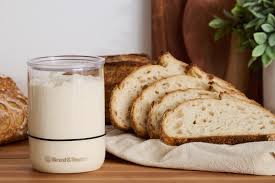
Baking soft and chewy sourdough bread right inside a simple slow cooker or rice cooker is one of the most exciting kitchen projects you can ever try at home. This unique recipe brings together the classic traditional art of wild yeast fermentation and the modern ease of basic kitchen appliances. Instead of heating up your whole kitchen with a huge oven, you can use your trusted countertop cooker to gently steam and bake a warm loaf of sourdough bread. The process turns basic flour, pure water, and natural yeast into a wonderful soft loaf with a nice chewy crust that everyone in your family will enjoy. It is designed especially for beginners who feel scared by classic sourdough baking steps, complex scoring rules, or expensive Dutch ovens. You will learn how simple ingredients combine together slowly over time to create an amazing homemade bread experience without any fancy baker tools or high heat tricks.
People all around the world absolutely fall in love with sourdough cooker basic bread because it takes away all the stress and mess usually associated with classic bread making. Traditional sourdough recipes often demand sharp temperature control, special heavy iron pots, and hours of aggressive shaping methods that confuse new bakers. With this easy cooker method, the slow and steady heating element does all the hard environment work for you by keeping the environment warm and moist. The result is a delightfully soft interior crumb filled with tiny gentle air pockets and a rich deep natural flavor that store bought bread can never match. Home cooks love how forgiving this recipe is when life gets busy because the slow cooker allows flexible timing during the proofing and cooking phases. Every single slice brings a cozy feeling of pure homemade warmth that makes breakfast, lunch, and dinner feel much more special and comforting.
Making this wonderful sourdough bread is perfect for those quiet weekend mornings when you want your home to smell like a fresh traditional neighborhood bakery. It is also an ideal choice for healthy eaters who want to avoid store bought loaves filled with strange commercial preservatives, artificial thickeners, and extra refined sugars. Sourdough fermentation breaks down tough gluten proteins and natural starches slowly, which makes this bread much easier on your stomach and very friendly for overall gut health. Athletes and fitness lovers enjoy this loaf because it provides long lasting complex carbohydrates and clean energy to power through busy workdays or heavy workout sessions. You can serve it toasted with real creamy butter for a comforting snack, or pair it with warm homemade soup during chilly winter evenings. The emotional reward of pulling a warm, fully baked loaf out of your simple kitchen cooker is truly unbeatable and brings pure satisfaction every single time.
Starting your sourdough voyage with this specific recipe builds real kitchen confidence because every step is broken down into easy, doable actions. You do not need years of master culinary training or special baking secrets to get a fantastic result on your very first try. The countertop cooker creates a controlled humid space that helps the dough rise up high while staying delightfully soft and tender inside. You will save money on your weekly grocery bill while serving your family wholesome, nutrient rich food made completely from scratch with love. As you get comfortable with the easy steps, baking this slow cooked sourdough will become a peaceful weekly ritual that brings joy, delicious food, and great warmth into your home. Let us gather our simple ingredients and dive straight into the fun process of baking sourdough bread the modern easy way.
Ingredients You Will Need
To create this delicious sourdough cooker bread, you will need a few basic pantry ingredients. Make sure your measurements are accurate for the best baking results.
- Active Sourdough Starter: 100 grams (about one half cup, bubbly and fully fed)
- Warm Water: 350 grams (about one and one half cups, clean filtered water at room temperature)
- Bread Flour: 500 grams (about four cups, unbleached strong white bread flour)
- Fine Sea Salt: 10 grams (about two teaspoons of fine natural salt)
- Olive Oil: 15 grams (about one tablespoon, extra virgin for greasing and moisture)
Step by Step Method
Step 1: Feed Your Starter
Make sure your sourdough starter is very active, bubbly, and ready to bake. Feed your starter with equal parts flour and water about four to six hours before you plan to begin mixing your main dough. When the starter has doubled in size and shows lots of happy bubbles on top, it is ready for action.
Step 2: Mix Water and Starter
Take a large clean glass or ceramic mixing bowl. Pour in 350 grams of warm room temperature water. Add 100 grams of your active bubbly sourdough starter into the water. Use a wooden spoon or a spatula to gently stir the starter and water together until the starter mostly dissolves and the water looks cloudy and milky.
Step 3: Add the Flour
Pour 500 grams of unbleached bread flour directly into your cloudy water mixture. Stir everything together with your spoon or clean hands until all the dry flour absorbs the water completely. This will form a shaggy and rough dough ball. Do not worry if it looks a bit messy right now. Cover the bowl with a clean damp kitchen towel and let it sit quietly on your counter for 30 minutes. This resting phase is called autolyse, and it helps the flour absorb water deeply.
Step 4: Add Salt and Fold
After the 30 minute rest, sprinkle 10 Cocktails grams of fine sea salt evenly over the top of your rough dough. Add a tiny splash of water if needed to help the salt dissolve into the dough. Now begin the stretch and fold process. Grab one side of the dough with wet hands, pull it gently upward without tearing it, and fold it over into the center of the dough ball. Rotate the bowl a quarter turn and repeat this lifting and folding motion. Do this four times around the entire bowl until the salt is fully mixed in and the dough starts to feel a bit smoother.
Step 5: Perform Stretch and Folds
To build good structure in your bread without hard kneading, you will perform three more sets of stretch and folds over the next two hours. Every 30 minutes, come back to your covered bowl, lift the edges of the dough gently, and fold them into the center as you rotate the bowl. You will notice the dough becoming smoother, more elastic, and much stronger with every single set.
Step 6: Bulk Fermentation
Cover your bowl tightly with plastic wrap or a wet cloth. Let the dough rest undisturbed on your kitchen counter at room temperature for about 4 to 6 hours. During this long rest, the natural wild yeast will work its magic. The dough should grow in size by about fifty percent, feel light and airy, and show nice soft bubbles on the surface.
Step 7: Shape the Loaf
Gently tip your light puffy dough out onto a clean, lightly floured work surface. Do not punch down the air bubbles. Gently press the dough into a soft round disc. Fold the top edge down to the middle, fold the bottom edge up to the middle, and then roll the sides inward to form a nice tight round dough ball. Use your hands to gently pull the ball toward you across the counter to build light surface tension on the outer skin of the dough.
Step 8: Prepare the Slow Cooker
Take a large piece of parchment paper and lay it flat on your counter. Lightly dust the paper with a spoonful of flour. Carefully lift your shaped dough ball and place it directly onto the middle of the parchment paper. Rub a tiny bit of olive oil inside the inner ceramic pot of your slow cooker or rice cooker to prevent sticking. Lower the parchment paper with the dough inside directly into the cooker pot.
Step 9: Cook the Bread
Put the lid on your slow cooker. Set the heat setting to High. If your lid has a lot of condensation build up, you can place a clean dry kitchen towel under the lid to catch dripping moisture. Let the sourdough cook on High for about two hours to two hours and thirty minutes. The gentle bottom heat will give the bread a final rise and cook the inside completely. The loaf is done when the top feels firm to the touch and an internal digital thermometer reads around 200 degrees Fahrenheit.
Step 10: Crisp the Crust (Optional)
Because slow cookers use gentle moist heat, the top crust will remain pale and soft. If you prefer a golden crispy crust, carefully lift the cooked bread out using the parchment paper handles. Place the bread on a baking tray and pop it under a hot oven broiler for 3 to 5 minutes until the top turns a beautiful golden brown color.
Step 11: Cool Completely
Transfer your warm bread to a wire cooling rack. Resist the temptation to cut into it right away. Let the bread cool down completely for at least one full hour. Cutting warm sourdough traps steam, which can make the inside feel gummy. Once cooled, slice into your homemade loaf and enjoy your masterpiece.
Why This Recipe Is Special
This sourdough cooker recipe stands out because it democratizes the entire art of baking artisan bread for everyday home cooks. Traditional sourdough requires expensive baking gear like heavy cast iron Dutch ovens, high heat pizza stones, and specialized baker razor blades. This recipe eliminates all those expensive requirements by utilizing common countertop kitchen cookers that almost every household already owns. The gentle controlled heating environment inside a slow cooker or rice cooker removes the risk of burning the bottom of your loaf while keeping the interior amazingly soft, airy, and moist. It is a foolproof approach that gives absolute beginners a huge boost of baking confidence.
From a health standpoint, long slow sourdough fermentation offers incredible nutritional benefits compared to fast commercial yeast breads. The natural wild yeast and friendly lactic acid bacteria slowly digest the phytic acid naturally present in wheat grains. This process unlocks essential vitamins and minerals like iron, zinc, magnesium, and B vitamins, making them far easier for your body to absorb. Furthermore, the bacteria break down complex gluten structures into simple amino acids, which means this bread is very gentle on sensitive stomachs and promotes healthy digestion without bloating.
The taste profile of sourdough cooker bread is truly extraordinary. It balances a subtle, pleasant tangy flavor with a comforting sweet wheat aroma. The crumb inside remains beautifully moist, chewy, and soft for days, making it ideal for sandwich lovers, morning toast fans, or soup dipping. Because you control every single ingredient, your homemade bread is completely free from artificial additives, industrial emulsifiers, refined sugars, and vegetable oils found in industrial grocery store loaves. It is pure, simple, natural food at its absolute best.
Extra Tips for Better Taste
- Use High Quality Flour: Choose unbleached strong bread flour with a higher protein content to achieve a better rise and a delightful chewy texture.
- Add Fresh Herbs: Knead chopped fresh rosemary, thyme, or garlic powder into the dough during your final stretch and fold for an amazingly savory herb bread.
- Try Shredded Cheese: Fold half a cup of sharp cheddar cheese or parmesan cubes into the dough during shaping for delicious gooey cheesy pockets inside your loaf.
- Use Filtered Water: Chlorine in plain tap water can sometimes slow down natural wild yeast, so use clean filtered water for mixing your dough.
- Add Seeds for Crunch: Roll the top of your wet shaped dough in toasted sesame seeds, sunflower seeds, or poppy seeds before placing it into the cooker for extra crunch and rich nut flavor.
- Pre Heat Cooker Pot: Warming your cooker pot on Low for five minutes before dropping the dough in can give your loaf an extra quick boost during the initial baking phase.
- Toast for Extra Flavor: Since slow cooked bread has a soft crust, slicing and toasting it in a toaster oven creates the ultimate contrast between a crunchy outside and a soft center.
Final Thoughts
Baking your own fresh sourdough bread in a slow cooker is a joyful and rewarding experience that turns simple basic ingredients into something truly magical. It proves that you do not need expensive bakery equipment or years of master practice to feed your family wholesome homemade food. The gentle cooking method creates a reliable soft loaf with a lovely chewy texture and incredible gut friendly health benefits. Give yourself permission to enjoy the peaceful process of mixing, folding, and smelling fresh baking bread right in your own home. Share a warm slice with the people you love, enjoy every single bite, and happy simple baking to you always.
Nutrition Details
Here is the estimated nutritional breakdown for this homemade sourdough cooker bread recipe. Figures are calculated for the full recipe loaf as well as per individual serving slice assuming the loaf is sliced into ten equal portions.
Full Recipe Loaf Nutrition
- Total Calories: 1850 kcal
- Total Carbohydrates: 380 grams
- Dietary Fiber: 16 grams
- Total Protein: 55 grams
- Total Fat: 18 grams
- Saturated Fat: 2.5 grams
- Sodium: 3900 milligrams
- Potassium: 520 milligrams
Per Serving Nutrition (1 Slice out of 10)
- Calories per Serving: 185 kcal
- Carbohydrates: 38 grams
- Dietary Fiber: 1.6 grams
- Sugars: 0.5 grams
- Protein: 5.5 grams
- Total Fat: 1.8 grams
- Saturated Fat: 0.25 grams
- Cholesterol: 0 milligrams
- Sodium: 390 milligrams
Disclaimer
This recipe article is created strictly for general educational and cooking purposes only. Nutrition values provided are rough estimates based on standard ingredient database averages and can vary based on specific brands, exact measurements, or minor recipe alterations. Everyone has a unique body, different digestive system, and individual dietary needs. Sourdough bread contains natural wheat gluten and is not suitable for individuals with celiac disease or severe gluten allergies. Always consult with a qualified health professional or registered dietitian for specific medical or nutritional advice regarding your diet.