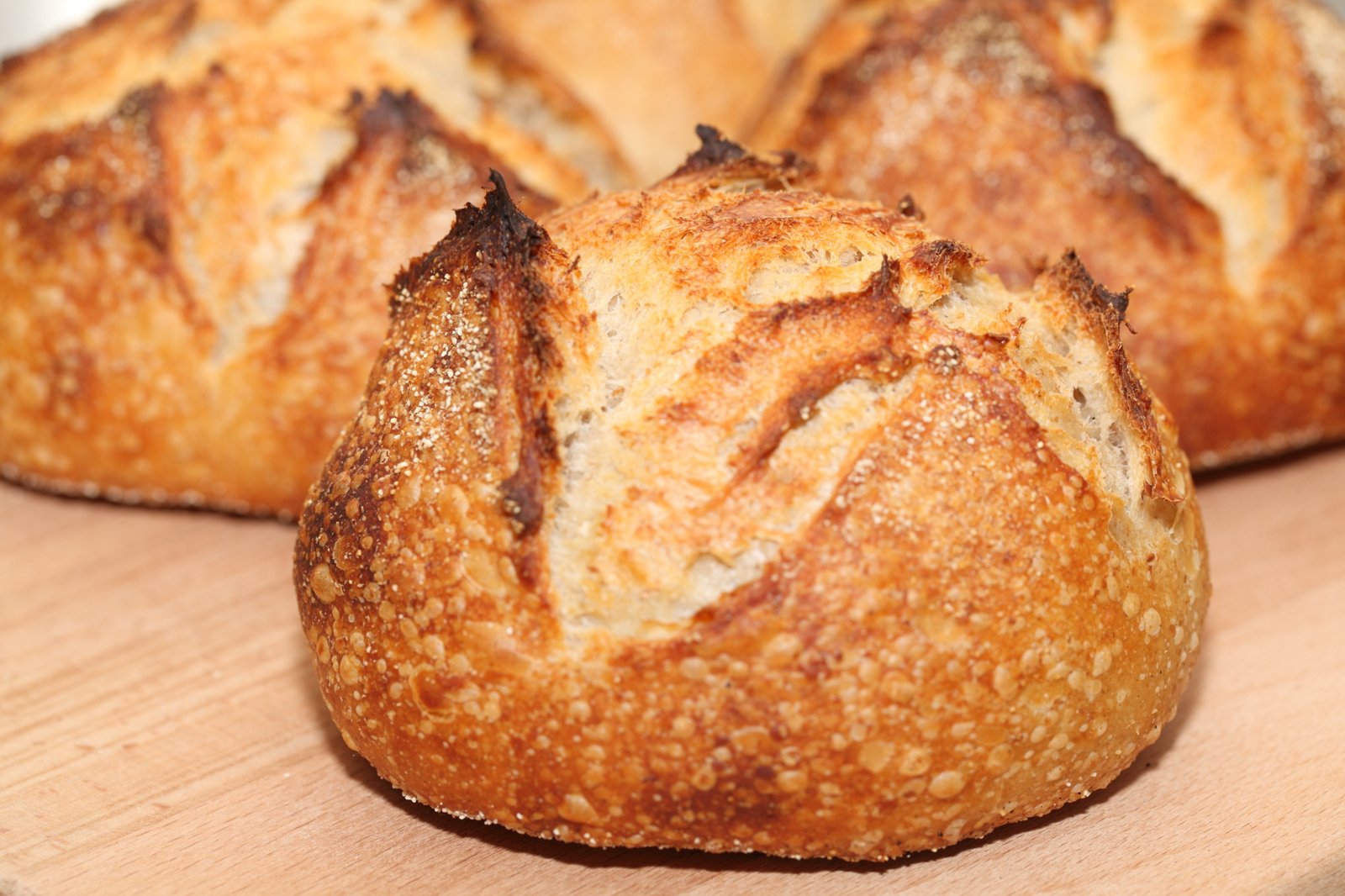
Welcome to the wonderful world of homemade baking where patience meets delicious reward. Making a classic round loaf of sourdough bread at home is one of the most satisfying kitchen projects you can ever try. This wonderful recipe guides you through creating a gorgeous loaf with a golden crispy crust and a soft airy inside using only wild yeast. You do not need any store bought yeast packets or fancy bakery equipment to get amazing results. All you need is some flour and water and salt and a little bit of time to let nature do its work. Every single slice offers a wonderful tangy flavor and a chewy texture that store bought bread simply cannot match. Once you pull your very first hot loaf from the oven you will feel an incredible sense of pride and joy. Your kitchen will smell like a cozy artisan bakery and your family will gather around the table waiting eagerly for a warm slice. This timeless baking method connects us to generations of bakers who relied on simple ingredients to feed their loved ones.
People all around the world completely fall in love with this baking style because it turns basic kitchen staples into pure magic. There is something deeply comforting about watching a bubbly starter transform a sticky dough into a towering golden masterpiece. Unlike regular sandwich bread that relies on fast acting yeast for a quick rise this slow method develops deep complex flavors. The natural fermentation process breaks down the grains making the crumb tender and easy to digest for most bread lovers. You also get complete control over every single ingredient that goes into your food with no hidden preservatives or artificial additives. Every bite gives you a delightful contrast between the crunchy outer shell and the pillowy soft interior. People also love the beautiful artisan look of the loaf with its classic scored pattern on top. Sharing a warm homemade loaf with friends or family members brings people together and creates wonderful memories around the dining table.
You should definitely make this delicious bread whenever you want to slow down and enjoy a mindful weekend kitchen project. The rhythm of mixing and folding and shaping provides a wonderful way to relax and clear your mind after a busy week. Taste wise nothing compares to the rich and slightly nutty flavor profile that comes from natural wild fermentation. From a wellness perspective many people find that this traditional style is much gentler on their stomach compared to commercial white bread. The long resting period allows natural bacteria to pre digest the starches which many folks appreciate for daily comfort. Making your own bread also gives you a wonderful sense of self sufficiency and independence in the kitchen. Whether you are baking for a cozy weekend breakfast or hosting a dinner party this impressive loaf always steals the show. You can enjoy it toasted with sweet butter or dipped in rich olive oil or loaded with your favorite sandwich toppings.
Embarking on this baking adventure will completely transform how you view everyday cooking and patience in the kitchen. Even though the process takes a couple of days most of the time involves waiting rather than hard physical work. You quickly learn to read the dough and understand how temperature and humidity affect your baking results over time. This engaging hobby teaches you to appreciate the beauty of natural ingredients and simple kitchen chemistry working in harmony. Each new loaf you bake gets a little bit better as you learn the unique personality of your starter. Your home becomes a warm gathering place filled with the irresistible aroma of freshly baked artisan bread waiting to be shared. There is truly no better feeling than handing a warm crusty loaf to someone you love and watching their eyes light up. Dive into this rewarding craft today and discover just how joyful and delicious homemade baking can truly be.
Ingredients You Will Need
-
Active sourdough starter: 100 grams
-
Warm water: 375 milliliters
-
Bread flour: 500 grams
-
Fine sea salt: 10 grams
Step by Step Method
To start your wonderful baking journey you first need to mix your bubbly active sourdough starter with warm water in a large mixing bowl. Stir the mixture gently with a wooden spoon until the starter is fully dissolved and the water turns milky and smooth. Add your bread flour into the bowl and mix everything together using your hands until no dry flour spots remain visible. Cover the bowl with a clean damp kitchen towel and let your dough rest on the counter for about one hour. This resting phase is called autolyse and it gives the flour time to absorb all the water completely while gluten strands begin forming naturally.
After your resting period is complete sprinkle your fine sea salt evenly over the surface of the dough along with a tiny splash of water. Use your fingers to dimple the salt into the dough and then gently fold the edges over the center repeatedly. Cover the bowl again and let the dough rest in a warm spot in your kitchen for your bulk fermentation phase. During this phase you will need to perform stretch and fold motions every thirty minutes for the first two hours to build strength. Grab one side of the dough and pull it up gently and fold it over the top then rotate the bowl and repeat.
Once your dough looks puffy and shows tiny bubbles on the surface it is ready for the shaping stage on your kitchen counter. Lightly dust your workspace with a little bit of flour and turn the fermented dough out carefully onto the surface. Use your hands to round the dough into a smooth ball by dragging it toward you across the counter in circular motions. Let the shaped dough rest uncovered for about twenty minutes so the surface skin can dry out just a little bit. Flip the dough over and pull the edges toward the center to create tight tension before placing it upside down inside a proofing basket.
Cover your proofing basket with a plastic bag or a shower cap and place it in the refrigerator overnight for a slow cold ferment. The cold temperature slows down the yeast activity while allowing the rich and tangy flavors to develop deeply inside your dough. The next morning preheat your heavy Dutch oven with the lid on inside your kitchen oven at 450 degrees Fahrenheit. Carefully turn your chilled dough out onto a piece of parchment paper and use a sharp razor blade to score a deep slash across the top. Lift the dough by the parchment paper corners and lower it gently into your hot Dutch oven and place the lid back on. Bake covered for twenty minutes to trap the steam and create a wonderful oven spring then remove the lid and bake uncovered until golden brown.
Why This Recipe Is Special
This lovely recipe stands out because it relies entirely on wild fermentation rather than commercial packets of instant yeast. The slow rise helps break down complex starches and gluten proteins which many people find much easier on their digestion. Taste wise you get a wonderful balance of nutty grain flavors combined with a pleasant tangy kick that keeps you wanting more. The crust develops a gorgeous deep brown color and a wonderful shatteringly crisp texture that feels like it came from a professional bakery. Furthermore making your food from scratch gives you complete control over your nutrition without any unwanted chemical preservatives or additives. Every single loaf you bake has its own unique character making your baking experience truly personal and artistic.
Extra Tips for Better Taste
-
Feed your sourdough starter consistently with equal parts flour and water a few days before baking to ensure maximum bubble activity.
-
Use filtered water instead of tap water so chlorine does not slow down your wild yeast growth.
-
Experiment with adding a small handful of whole wheat flour or rye flour to boost the earthy flavor profile.
-
Always let your baked loaf cool completely on a wire rack before slicing so the inside texture sets up properly.
-
Store your leftover bread in a paper bag or a linen bread bag rather than plastic to keep the crust nice and crispy.
Final Thoughts
Baking your very first sourdough boule is a truly rewarding milestone that opens the door to endless kitchen creativity. Do not worry if your very first loaf does not look picture perfect because every single attempt teaches you something new. The journey of mastering wild yeast baking is filled with delicious experiments and wonderful aromas that make your house feel like home. Enjoy the process of learning and sharing your beautiful creations with the people who matter most in your life. Happy baking to you and may your crusts always turn out golden and crispy.
Nutrition Details
| Nutrient | Amount per Serving |
| Calories | 160 |
| Total Fat | 0.8 grams |
| Sodium | 310 milligrams |
| Total Carbohydrates | 32 grams |
| Dietary Fiber | 1.5 grams |
| Protein | 5.5 grams |
Note: The nutritional values listed above are approximate estimates calculated based on standard ingredient measurements and standard serving sizes.
Disclaimer
The nutritional and health information provided in this article is intended solely for general informational and educational purposes. Every single human body is unique and reacts to different foods and ingredients in its own individual way. If you have specific dietary concerns or medical conditions or food allergies you should always consult a qualified healthcare professional. The author and publisher assume no responsibility or liability for any health outcomes or reactions resulting from your baking efforts.