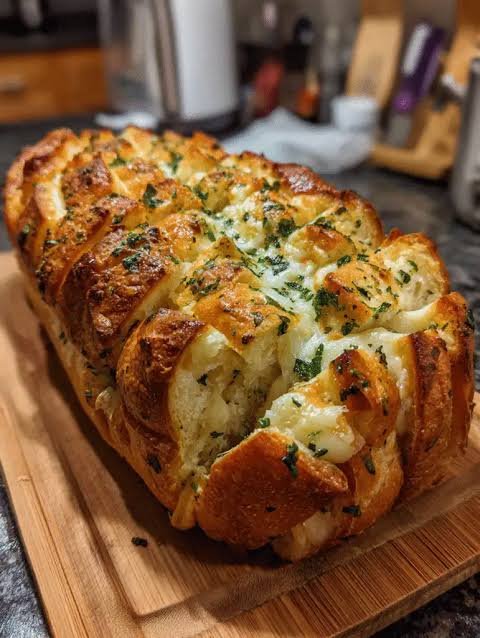
Making a Garlic Parmesan Sourdough Discard Boule at home is one of the most rewarding kitchen projects you can ever try because it turns simple leftover sourdough starter into a deeply fragrant and golden loaf of artisanal bread. If you have been keeping a sourdough starter on your counter or in your refrigerator, you already know the painful feeling of throwing away that precious discard every single time you feed it. This recipe solves that exact problem by giving your unused starter a magnificent second life full of rich garlic aroma and salty parmesan flavor. The term boule simply means a traditional round French shape, which naturally creates a wonderful rustic look with a crispy outer crust and a wonderfully soft interior crumb. When you bake this bread, your entire house fills with the warm scents of roasted garlic, aged cheese, and fresh baked dough, creating an irresistible environment that immediately draws your friends and family right into the kitchen to see what is cooking.
People absolutely fall in love with this savory loaf because it perfectly bridges the gap between complex sourdough baking and easy everyday cooking that anyone can master. Traditional sourdough bread usually takes days of careful stretching, folding, and long fermentation before you get to enjoy a single slice, but using your discard allows you to shortcut the waiting game while still enjoying that Signature tangy background flavor. The addition of sharp parmesan cheese and savory garlic elevates simple flour and water into a gourmet experience that tastes like it came straight from an expensive European bakery down the street. The contrast between the crunchy roasted exterior and the pillowy soft interior loaded with melted pockets of savory cheese makes every bite feel deeply satisfying and comforting. Beginners love this recipe because it builds confidence in working with yeast doughs without requiring years of specialized bread making experience or fancy equipment.
There are so many wonderful moments and emotional reasons to bake this incredible loaf, whether you are hosting a cozy weekend dinner party with close friends or simply looking for a fun creative hobby to help you unwind after a long busy week. Imagine pulling a steaming round loaf out of a hot oven on a rainy afternoon, knowing that you made something so beautiful entirely from scratch with basic pantry ingredients. It makes the ultimate side dish for hot bowls of comforting tomato soup, rich pasta dinners, fresh green salads, or as the base for the most incredible grilled cheese sandwich you will ever eat in your whole life. If you care about fitness and wholesome eating, making your own bread gives you complete control over every single ingredient, ensuring there are no artificial preservatives, hidden sugars, or strange chemicals found in store bought options. Feeding your family fresh homemade bread baked with real garlic and natural cheese brings a warm feeling of togetherness and joy that money simply cannot buy at a grocery store.
Taking the time to bake this bread is also a fantastic way to practice mindfulness and lower your stress levels through the tactile sensory experience of mixing, shaping, and feeling the soft dough in your hands. Sourdough discard contains gently broken down starches and beneficial acids that aid digestion, making it much easier on your stomach compared to heavy commercial breads loaded with additives. The rich aroma released during baking acts as a natural mood booster that immediately transforms your living space into a warm, inviting home filled with comfort and security. Sharing a warm slice slathered with soft butter with someone you love creates simple memory points that turn an ordinary weekday evening into a special occasion. Once you master this simple process, you will look forward to discard day every week because it means another delicious loaf of fresh garlic parmesan bread is waiting in your near future.
Ingredients You Will Need
To make one large round loaf of Garlic Parmesan Sourdough Boule, gather these exact ingredients with their precise measurements:
1 cup sourdough discard, unfed at room temperature
2 and 1/4 teaspoons active dry yeast or instant yeast, equal to 1 standard packet
1 cup warm water, measured around 105 degrees Fahrenheit or 40 degrees Celsius
3 and 1/2 cups all purpose flour or bread flour, plus extra for dusting your hands and surface
1 and 1/2 teaspoons fine sea salt or table salt
2 tablespoons extra virgin olive oil or melted unsalted butter
4 cloves fresh garlic, minced very finely or pressed through a garlic press
1 tablespoon garlic powder for deep, even garlic flavor throughout the dough
3/4 cup finely shredded Parmesan cheese, freshly grated is best
1 tablespoon dried Italian seasoning or dried oregano
1 tablespoon cornmeal or extra flour for coating the bottom of your baking pan
1 tablespoon melted butter for brushing on top of the finished loaf, optional
Step by Step Method
Step 1: Activate the Yeast and Prepare Your Liquid Base
Start by taking a large mixing bowl and pouring in your warm water. Make sure the water feels comfortably warm on your wrist like bathwater, because hot water will kill your yeast and cold water will make it wake up far too slowly. Sprinkle the active dry yeast over the surface of the warm water and let it sit undisturbed for about 5 minutes until it becomes creamy, foamy, and full of tiny bubbles. Pour your room temperature sourdough discard directly into the foamy yeast mixture. Use a wooden spoon or whisk to stir the mixture gently until the thick discard fully dissolves into the liquid, forming a smooth and cloudy mixture that smells slightly tangy and yeasty.
Step 2: Mix the Dry Ingredients and Savory Flavorings
In a separate medium bowl, combine the all purpose flour, fine sea salt, garlic powder, shredded parmesan cheese, and dried Italian seasoning. Stir these dry ingredients together with a fork so that the salt, garlic, and cheese are evenly distributed throughout the flour. This even mixing prevents pockets of heavy salt or clumpy cheese from forming in your dough later on. Mince your fresh garlic finely on a cutting board, then add it directly into the wet yeast and discard mixture along with two tablespoons of extra virgin olive oil.
Step 3: Combine Wet and Dry Ingredients to Form the Dough
Pour the mixed dry ingredients directly into the large bowl containing your wet yeast mixture. Use a strong wooden spoon or sturdy spatula to mix everything together, scraping down the sides of the bowl as you go. Keep mixing until all the dry flour is absorbed and a shaggy, sticky ball of dough begins to form. If the dough feels way too wet and sticks stubbornly to the sides of the bowl, add one extra tablespoon of flour at a time. If the dough feels very dry, stiff, and powdery, add one extra teaspoon of warm water until a manageable, cohesive dough comes together.
Step 4: Knead the Dough to Build Structure
Dust a clean kitchen counter or wooden cutting board lightly with flour. Turn your shaggy dough out onto the floured surface. Using the heels of your hands, push the dough forward away from your body, then fold the top edge of the dough back over itself toward you, and press down firmly. Turn the dough a quarter turn and repeat this process continuously for about 8 to 10 minutes. As you knead, the dough will gradually transform from a sticky mess into a soft, smooth, elastic ball that bounces back gently when you poke it with your finger.
Step 5: First Fermentation and Dough Rise
Lightly coat the inside of a clean large bowl with a teaspoon of olive oil to keep the dough from sticking as it grows. Place your kneaded dough ball into the oiled bowl and turn it over once so the top surface gets lightly coated in oil too. Cover the bowl tightly with a sheet of plastic wrap or a damp kitchen towel to retain moisture. Place the covered bowl in a warm, draft free location in your kitchen, such as inside an unheated oven with the light turned on. Allow the dough to rise undisturbed for about 1 to 1.5 hours, or until it doubles in size and looks puffy.
Step 6: Shape the Round Boule
Once your dough has doubled in volume, gently press your fist into the center of the dough to release the trapped gas air bubbles. Transfer the relaxed dough onto a lightly floured work surface. Gather the outer edges of the dough and pull them upward toward the top center, tucking them together to create a smooth, tight outer skin on the bottom side. Flip the dough ball over so the smooth side faces upward. Place both hands around the sides of the dough ball and gently pull it toward your body across the counter to build surface tension on the outer skin, creating a neat round ball or boule.
Step 7: Final Proofing
Prepare a large Dutch oven pan, baking sheet, or oven safe pot by lining the bottom with parchment paper. Dust the parchment paper with a sprinkle of cornmeal or flour to prevent any possibility of sticking. Gently lift your shaped round dough ball and place it carefully in the center of the parchment paper. Cover the shaped loaf loosely with a light kitchen towel or a large overturned bowl. Let the shaped dough rest and proof in a warm spot for about 45 to 60 minutes until it looks nicely puffed, soft, and slightly larger in size.
Step 8: Score the Bread and Preheat Your Oven
While your bread is finishing its final proofing step, preheat your oven to 425 degrees Fahrenheit or 220 degrees Celsius. If you are using a heavy cast iron Dutch oven with a lid, place the empty pot with its lid inside the oven during the preheating phase so it becomes extremely hot. Just before baking, uncover your puffed dough ball. Use a very sharp knife or a clean razor blade to score or slice a cross or X pattern about half an inch deep into the top surface of the dough. Scoring allows steam to escape cleanly during baking so your bread rises upward instead of cracking unexpectedly on the sides.
Step 9: Bake to Golden Perfection
If using a preheated Dutch oven, carefully remove the hot pot using thick oven mitts. Use the edges of the parchment paper to gently lift your scored dough ball and drop it directly into the hot pot, then cover it with the hot lid. Bake with the lid on for 20 minutes to trap steam, which creates that incredible crispy outer crust. After 20 minutes, carefully remove the lid and continue baking uncovered for another 15 to 20 minutes until the crust turns a rich, deep golden brown and the cheese smells deliciously toasted. If baking on an ordinary baking sheet, simply place the tray into the oven and bake for 30 to 35 minutes until golden.
Step 10: Cool and Serve
When the bread is fully baked, tap the bottom of the loaf gently; it should sound hollow inside when it is completely done. Carefully transfer your beautiful Garlic Parmesan Sourdough Boule onto a wire cooling rack. If desired, brush the top crust immediately with one tablespoon of melted butter for extra shine and flavor. Resist the strong temptation to cut into the bread right away. Let it cool for at least 30 to 45 minutes so the inner steam finishes cooking the crumb structure. Slice with a sharp serrated bread knife and serve warm with extra butter or fresh dip.
Why This Recipe Is Special
This Garlic Parmesan Sourdough Discard Boule stands out as a unique recipe because it maximizes resources while delivering top tier flavor and texture. Sourdough discard is often viewed as waste, but in this recipe, it serves as a powerful natural flavor contributor that provides a complex sourdough taste without requiring days of long fermentation. You get the taste profile of an aged artisan sourdough loaf combined with the quick, reliable rising action of ordinary baking yeast, making it completely foolproof for beginners.
From a health and digestability perspective, sourdough discard has already undergone partial breakdown of complex carbohydrates and proteins like gluten due to wild bacteria and yeasts over time. This process makes the final bread much lighter on your digestive system compared to quick breads made purely from unfermented flour. Garlic provides natural antibacterial properties and rich antioxidants, while real parmesan cheese delivers protein, healthy fats, and essential minerals like calcium into every slice without adding artificial flavorings or chemical additives.
The taste experience of this bread is truly phenomenal because it hits multiple flavor notes at once. You experience the crisp, crackly texture of the outer crust followed by a soft, pillowy middle that melts in your mouth. The salty, savory depth of aged parmesan pairs seamlessly with the aromatic, roasted notes of fresh garlic and the light acidic twang of sourdough discard. Every slice feels like a restaurant quality treat made in your own kitchen.
Extra Tips for Better Taste
Use freshly grated parmesan cheese from a solid block rather than pre shredded cheese from a tub. Pre shredded cheeses are coated in cellulose anti caking powders that prevent them from melting smoothly into the dough, whereas freshly grated cheese creates amazing melted pockets throughout the bread.
Try roasting your fresh garlic before adding it to the dough mixture. Wrap whole garlic cloves in aluminum foil with a drizzle of olive oil and bake them until soft and sweet. Mashing soft roasted garlic into the wet ingredients provides a rich, sweet garlic flavor without any harsh raw bite.
For an even crunchier crust, place a small metal pan on the bottom rack of your oven while it preheats. Right when you put your bread in to bake, toss half a cup of cold ice cubes into that bottom metal pan and close the oven door quickly. The sudden cloud of steam will keep the surface of your dough soft longer, allowing it to expand higher and build a super thin, crackly crust.
Brush the finished loaf with garlic herb butter as soon as it comes out of the oven. Melt two tablespoons of butter with a pinch of garlic powder and fresh chopped parsley, then paint it over the hot crust for an incredible glossy finish and extra moist texture.
Mix in a quarter cup of chopped fresh herbs like rosemary, thyme, or basil into the dry flour mixture alongside the cheese for an herbal twist that elevates the aroma to another level.
Final Thoughts
Baking your own Garlic Parmesan Sourdough Discard Boule is a deeply satisfying kitchen journey that turns simple leftover ingredients into a glorious centerpiece for your family table. It removes all the fear usually associated with traditional sourdough baking while filling your home with warm, appetizing scents that bring people together. Give this beginner friendly recipe a try this week, enjoy every step of the process from kneading to slicing, and savor every delicious warm bite with the people you love most.
Nutrition Details
Here is the estimated nutritional breakdown for the complete recipe and for individual servings based on slicing the single large boule into ten equal pieces:
| Nutrient | Whole Recipe Total | Per Serving (1 Slice of 10) |
| Calories | 2150 kcal | 215 kcal |
| Total Fat | 48 grams | 4.8 grams |
| Saturated Fat | 16 grams | 1.6 grams |
| Trans Fat | 0 grams | 0 grams |
| Cholesterol | 55 milligrams | 5.5 milligrams |
| Sodium | 3200 milligrams | 320 milligrams |
| Total Carbohydrates | 340 grams | 34 grams |
| Dietary Fiber | 14 grams | 1.4 grams |
| Total Sugars | 6 grams | 0.6 grams |
| Protein | 68 grams | 6.8 grams |
| Calcium | 720 milligrams | 72 milligrams |
| Iron | 18 milligrams | 1.8 milligrams |
| Potassium | 450 milligrams | 45 milligrams |
Disclaimer
This recipe content and nutritional information are provided for general educational and inspirational purposes only. Everyone has unique health needs, dietary requirements, sensitivities, and metabolic rates, which means individual digestion and nutritional absorption will vary from person to person. Please consult with a qualified healthcare professional or certified nutritionist if you have specific dietary concerns, gluten intolerances, or health conditions before modifying your diet.