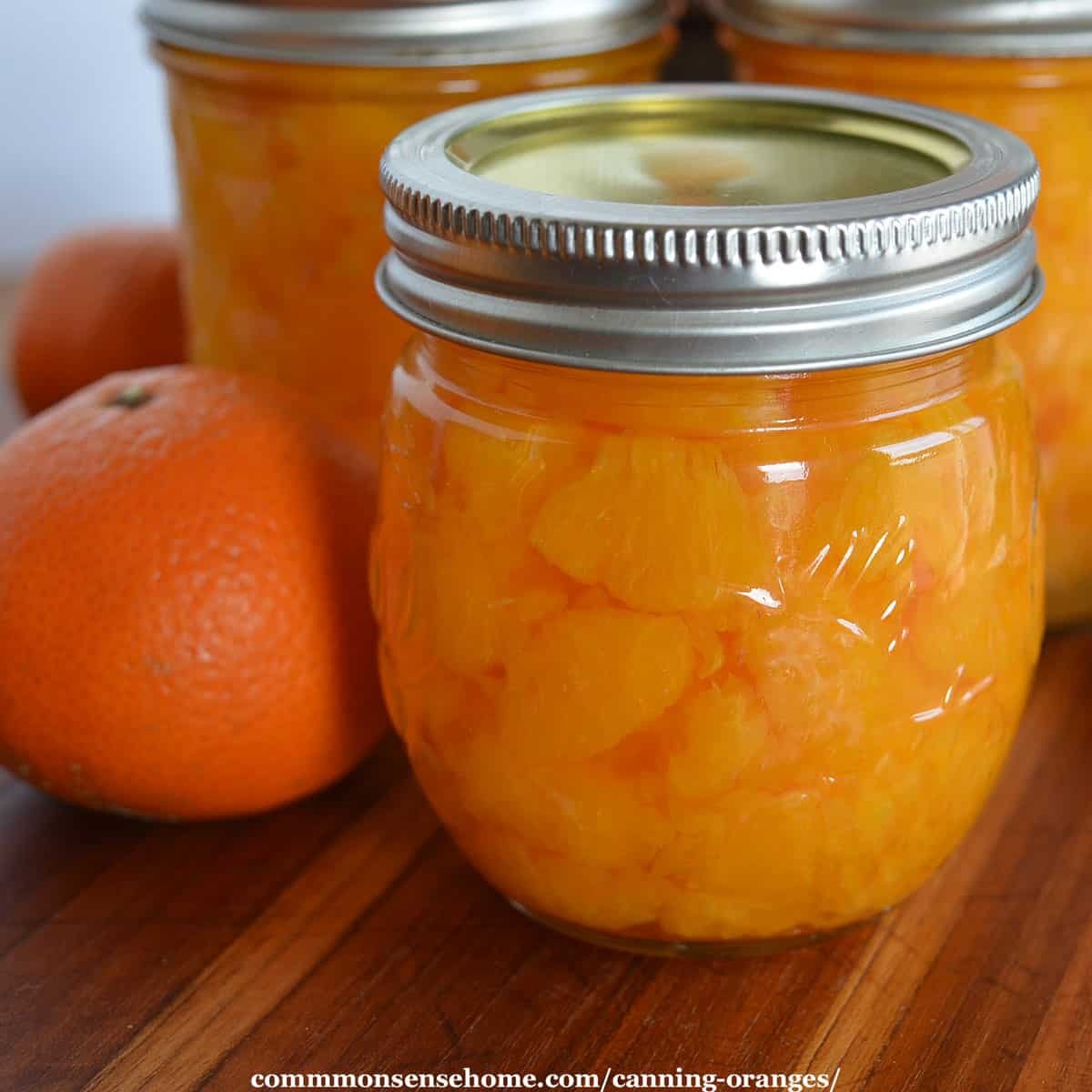
Canning tangerines at home is a wonderful kitchen project that brings the bright and sunny taste of citrus right to your pantry shelves. This guide teaches you how to preserve juicy tangerine segments in a sweet sugar syrup so you can enjoy fresh fruit flavor all year long. When winter citrus season arrives, stores overflow with bright orange fruits that smell amazing and taste incredibly sweet. By canning them properly, you lock in that peak flavor before the season ends. This method uses simple water bath canning techniques that home cooks have used for generations to keep summer and winter fruits safe and delicious for months. You do not need any fancy restaurant equipment to get started, just some clean glass jars, a large boiling pot, and a little bit of patience. Learning to preserve your own food gives you a wonderful sense of independence and lets you control every single ingredient that goes into your food. No artificial preservatives or strange chemicals are needed because the natural fruit and sugar syrup do all the work. Once you pop open a jar of homemade canned tangerines on a chilly spring morning, you will realize why this timeless kitchen tradition remains so popular around the world today.
People absolutely love canned tangerines because they taste like pure sunshine in a jar and bring instant joy to the kitchen table. The natural sweetness of the fruit pairs wonderfully with a light sugar syrup, creating a juicy treat that feels like a special dessert but comes straight from nature. Unlike store-bought canned fruit that often sits in heavy corn syrup and tastes metallic or bland, your homemade version will taste fresh, bright, and wonderfully vibrant. The aroma that fills your kitchen while you peel and prepare the fruit is an absolute delight that instantly lifts your mood. Furthermore, having jars of golden fruit lined up neatly on your pantry shelves looks charming and makes you feel deeply accomplished. It is a fantastic way to practice food preservation without feeling overwhelmed by complex culinary techniques. Families love opening these jars to add a burst of color and flavor to breakfast bowls, yogurt parfaits, and quick weeknight desserts. Every single spoonful reminds you of warm orchards and sunny days, making it a beloved recipe that you will want to repeat year after year.
You should make this delightful recipe whenever you want to capture the fleeting magic of citrus season or when you find a great bargain on fresh fruit at your local market. If you buy a big bag of tangerines and realize you cannot eat them all before they get too soft, canning is the absolute best way to save them from going to waste. From an emotional standpoint, popping open a jar of bright citrus during the dark and cold days of winter provides a wonderful psychological boost and reminds you that warmth will return. Taste-wise, preserving the fruit at its absolute ripest moment ensures you get the most intense flavor possible. From a fitness and health perspective, having ready-to-eat fruit without added processed chemicals makes it easy to satisfy your sweet tooth in a wholesome way. You can control the exact amount of sugar in your syrup, choosing a light or medium blend that fits your personal lifestyle and dietary goals. Whenever you feel like baking a homemade cake or adding a fruity topping to your morning oatmeal, these preserved segments are ready to use instantly.
Embarking on this canning adventure is also a fantastic weekend activity to share with family members or friends who want to learn traditional kitchen skills. Kids love helping to peel the fruit and pack the glass jars, even if they sometimes sneak a sweet segment or two while you work. The rhythm of washing, peeling, separating, and packing creates a peaceful and mindful afternoon activity that helps you slow down from a busy week. When you finally hear the satisfying pop of the jar lids sealing tight after processing, you will feel a wave of pure pride and satisfaction. This recipe requires very few active ingredients, which keeps the cost low and makes it accessible for anyone who loves home cooking. Whether you are building up your emergency food supply or simply want a delicious homemade snack waiting in the pantry, canning tangerines is a rewarding choice. Dive into this wonderful project today, and discover how easy it is to lock away the bright and cheerful flavors of fresh citrus for whenever you need them most.
Ingredients You Will Need
-
Fresh tangerines: 5 pounds (ripe, firm, and easy to peel)
-
Granulated white sugar: 3 cups
-
Water: 6 cups (for making the sweet syrup)
-
Lemon juice: 2 tablespoons (optional, to help balance the flavor and acidity)
Step by Step Method
Wash your hands thoroughly with warm water and soap before you touch any of the fruit or kitchen equipment. Gather all your canning jars, lids, bands, large pots, slotted spoons, and clean kitchen towels on the counter so everything is ready to go.
Inspect your glass canning jars very carefully to make sure there are no chips, cracks, or sharp edges along the rims. Wash all the jars, lids, and bands thoroughly in hot and soapy water, then rinse them completely with clean running water. Place a large pot of water on the stove and bring it to a rolling boil to sanitize your clean jars and keep them warm until you are ready to fill them.
Take your fresh tangerines and rinse them gently under cool running water to remove any dust or dirt from the outer peels. Using your fingers, carefully peel away the skin from each tangerine until the bare fruit is completely exposed. Separate the fruit gently into individual natural segments, making sure to pull away as much of the white stringy pith as possible. Take a small knife and carefully pick away any remaining white threads or seeds because removing them ensures your final jars look neat and taste wonderfully smooth.
In a medium saucepan, combine the 3 cups of granulated white sugar and the 6 cups of water together over medium heat. Stir the liquid mixture constantly with a wooden spoon until the sugar dissolves completely into the water. Bring this simple syrup to a gentle boil, then turn down the heat and let it simmer for about 5 minutes so it thickens slightly. If you like a hint of extra brightness, stir in the 2 tablespoons of lemon juice right before you turn off the heat.
Carefully lift your warm, sanitized glass jars out of the hot water bath using jar lifter tongs and place them on a clean towel on your kitchen counter. Pack the fresh tangerine segments tightly into each warm jar, leaving about half an inch of empty space at the top of every jar. Be gentle as you pack the fruit so the delicate segments do not burst or mash together inside the glass.
Ladle the hot sugar syrup slowly and carefully over the tangerine segments in each jar, making sure the liquid covers the fruit completely. Remember to leave that crucial half inch of empty headspace at the very top of each jar so the food has room to expand during processing. Take a small plastic spatula or bubble freer and slide it down the inside of each jar to release any trapped air bubbles hiding between the fruit.
Wipe the rims of the glass jars clean with a damp, lint-free cloth to remove any sticky sugar residue or stray fruit drops. Place a clean metal flat lid on top of each jar, making sure the sealing compound aligns smoothly with the glass rim. Screw the metal band down onto each jar until it is fingertip tight, which means you turn it firmly until you feel resistance without forcing it too hard.
Place a rack inside your large boiling water canner or deep cooking pot and fill it halfway with water, then bring it to a gentle simmer. Lower your filled glass jars into the hot water bath using your jar lifter tongs, making sure the water level sits at least one or two inches above the tops of the jars. Put the lid securely on the pot, turn the heat up high, and bring the water to a roaring, rolling boil. Process the jars in the boiling water for about 15 minutes, making sure the water never stops boiling during the entire timing period.
Carefully turn off the heat and remove the lid from the pot, letting the jars settle inside the hot water for about 5 minutes. Lift the hot jars straight up out of the water using your jar lifter tongs and place them onto a folded kitchen towel on your counter. Leave the hot jars completely undisturbed in a draft-free spot for 12 to 24 hours so they can cool down safely and form a strong vacuum seal.
Check the seals on your jars by pressing down gently on the center of each flat lid; if the lid does not flex or pop up and down, your jar is sealed successfully. Remove the screw bands, wipe the dry jars clean, label them with the date, and store them in a cool, dark, and dry pantry.
Why This Recipe Is Special
This delightful recipe stands out because it combines traditional preservation methods with the vibrant, mouth-watering flavor of fresh citrus fruit. One of the greatest benefits of canning your own food at home is that you avoid all the hidden preservatives, artificial colors, and extra chemicals found in many commercial grocery store products. Tangerines are naturally packed with vitamin C, essential antioxidants, and dietary fiber that help support a healthy immune system and keep your digestion running smoothly. By preserving them in a light sugar syrup, you capture the peak nutrition and sweet taste of the fruit right when it is harvested. The natural juices blend with the syrup to create a delicious liquid that you can drink straight from the jar or use as a sweet base for homemade salad dressings and marinades. Furthermore, having a shelf-stable supply of fruit means you never have to worry about fresh produce spoiling quickly in your refrigerator. The taste is bright, clean, and deeply satisfying, offering a wonderful balance of sweet and tangy flavors that instantly awakens your palate. Making this recipe connects you to the time-honoured traditions of home economics and food preservation, giving you a wonderful sense of self-reliance and kitchen confidence.
Extra Tips for Better Taste
If you want to elevate the flavor of your canned tangerines even further, you can add a few creative touches to your simple syrup during the boiling stage. Dropping a split vanilla bean or a small cinnamon stick into the simmering sugar water infuses the syrup with a warm, cozy background note that tastes amazing with citrus. You can also toss in a couple of fresh mint leaves right before pouring the syrup over the fruit to give your jars a refreshing, herbal twist. Always choose firm, unblemished tangerines because overripe or bruised fruit will turn mushy and break apart during the hot water bath processing. If you prefer a lighter sweetness, feel free to reduce the amount of sugar in the syrup or use organic honey as a wholesome alternative sweetener. Make sure your water bath pot has enough depth so that boiling water covers the jar tops completely; otherwise, the heat distribution will be uneven, and your seals might fail. Never tighten the jar bands with extreme force before boiling because air needs a tiny pathway to escape from inside the jars during the heating process. Store your finished jars in a dark cupboard away from direct sunlight so the vibrant orange color of the fruit stays bright and gorgeous for many months.
Final Thoughts
Preserving fresh citrus at home is a wonderfully rewarding project that fills your kitchen with sweet aromas and stocks your pantry with delicious treats. Taking the time to peel, pack, and process your own fruit connects you deeply with the food you eat and brings a cozy, traditional charm to modern life. Whether you enjoy these juicy segments straight from the jar on a lazy afternoon or use them to brighten up your favorite baked goods, you will love the homemade difference. Kitchen experiments like this remind us that simple ingredients, patience, and care can create something truly special and nourishing. We hope you enjoy making this recipe and that every single jar brings a little extra sunshine and joy into your home. Happy canning, and may your pantry shelves always be full of sweet, colorful treasures!
Nutrition Details
This section provides a helpful breakdown of the nutritional values for this homemade canned fruit recipe. The table below lists the estimated amounts per serving, assuming a standard serving size of one half cup of drained tangerine segments.
| Nutrient Component | Amount Per Serving | Daily Value Percentage |
| Total Calories | 95 kcal | 5 percent |
| Total Carbohydrates | 24 g | 8 percent |
| Dietary Fiber | 2 g | 7 percent |
| Total Sugars | 21 g | Not Established |
| Protein | 1 g | 2 percent |
| Total Fat | 0 g | 0 percent |
| Sodium | 2 mg | 0 percent |
| Vitamin C | 32 mg | 53 percent |
The values provided above are close estimates based on standard home-canned citrus fruit prepared in a light sugar syrup. Individual nutritional content can vary depending on the specific sweetness of the fresh tangerines you buy and the exact amount of syrup retained in each serving. If you choose to use less sugar or substitute water for part of the syrup, the calorie and sugar counts will be lower. These canned fruits remain a great source of natural vitamin C and dietary fiber, making them a wholesome addition to a balanced daily diet.
Disclaimer
This recipe and the nutritional information provided are for educational and informational purposes only and should not replace professional medical or dietary advice. Every single human body is completely unique, and individual health needs, metabolism rates, and dietary restrictions vary greatly from person to person. Results, calorie counts, and health impacts can change depending on your personal medical history, activity levels, and specific health goals. Always consult with a qualified doctor, registered dietitian, or healthcare professional before making major changes to your daily diet or food preservation routines. The author and publisher disclaim any liability for adverse reactions, food spoilage issues, or health complications arising from the preparation or consumption of recipes found in this article. Practice safe canning techniques and follow standard food safety guidelines carefully to ensure your homemade preserves are safe to eat.