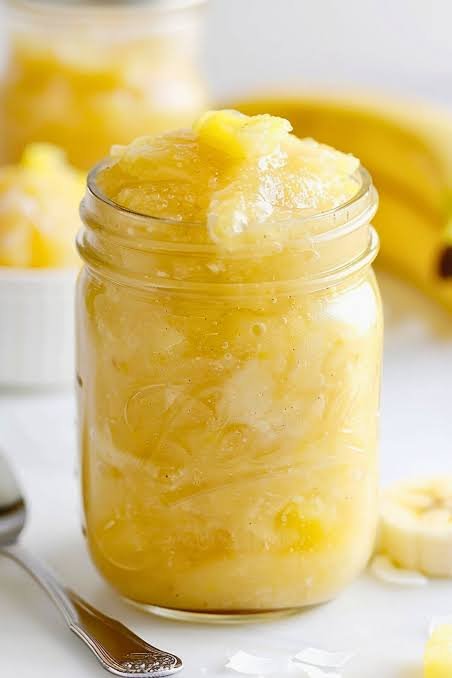
People absolutely fall in love with this recipe from the very first bite because the flavor combination is so rich and unique. While normal strawberry or grape jams are great, monkey butter offers a completely different taste profile that feels special and fancy. The natural sweetness of overripe bananas blends seamlessly with the tangy bite of pineapple, while shredded coconut adds a wonderful texture and warmth to every single spoon. It is sweet without being overwhelming, and the acidity from the lemon juice balances out the sugars so that every bite tastes clean and refreshing. Kids love it because of the fun name and sweet fruity taste, while adults love how versatile it is in the kitchen. Once you open a fresh jar, the aroma of cooked bananas and coconut fills the entire room, making your home smell like a tropical bakery. It is one of those rare homestead recipes that brings pure joy to the breakfast table, turning simple everyday bread into an exciting morning treat.
There are so many fantastic reasons to make a batch of this delicious spread today, ranging from practical food saving to emotional comfort. First, it is the absolute best way to use up a big bunch of brown, overripe bananas sitting on your kitchen counter. Instead of baking another standard loaf of banana bread, you can preserve those bananas into shelf stable jars that last for months. Second, making this recipe brings a comforting feeling of self sufficiency and warmth, especially during cold winter months when fresh local fruit is hard to find. Opening a jar of sunny yellow fruit butter in the middle of January instantly lifts your mood and reminds you of warm summer days. Fitness enthusiasts and active families also love this recipe as a source of quick, natural energy. Spread over whole grain bread or rice cakes before a workout, it provides healthy carbohydrates and essential potassium without any artificial additives or processed junk.
Learning how to make and safely preserve your own fruit jams is a classic skill that connects us to simple, wholesome food traditions. Canning monkey butter at home gives you complete control over what goes into your family body, allowing you to avoid high fructose corn syrup and artificial food colors found in store bought spreads. It also makes for the most charming homemade gift imaginable. Packing these colorful jars with a small ribbon and a handwritten label creates a thoughtful present for neighbors, teachers, friends, or family during holidays and special events. Anyone who receives a jar will instantly appreciate the time, care, and tropical flavor packed inside. Whether you are an experienced home gardener looking to expand your pantry shelf or a complete beginner taking your very first steps into hot water bath processing, this beginner friendly guide will walk you through every single step with confidence.
Ingredients You Will Need
To make a fresh batch of this delicious tropical spread, gather the following fresh ingredients and pantry staples.
-
5 cups ripe bananas, peeled and sliced thick (about 5 to 6 large bananas)
-
1 can crushed pineapple in natural juice, 20 ounces size (do not drain the juice)
-
0.25 cup fresh lemon juice (you can also use bottled lemon juice for consistent safety)
-
3 cups granulated white sugar
-
1 cup sweetened flaked coconut (shredded finely)
Step by Step Method
Follow these clear, simple steps to cook and safely preserve your tropical spread from scratch.
Step 1: Prepare Your Equipment
Wash your canning jars, glass lids, and metal bands in warm soapy water. Rinse them completely to remove all soap suds. Place your clean jars inside a large water bath canner filled with hot water, and heat them up so they stay warm until you are ready to pour the hot fruit inside. Warm jars will not crack when filled with hot food.
Step 2: Slice and Mash the Bananas
Peel your ripe bananas carefully and remove any stringy white fibers. Place the bananas on a clean cutting board and cut them into thick rounds. Transfer the sliced bananas into a large bowl and use a potato masher or a strong fork to mash them down. You can leave small fruit chunks if you like a rustic texture, or mash them totally smooth if you prefer a silky finish.
Step 3: Combine Ingredients in a Large Pot
Measure out 5 cups of your mashed bananas and transfer them into a heavy bottomed stainless steel stockpot. Open your can of crushed pineapple and pour the fruit along with all its juice directly into the pot with the bananas. Measure out your fresh lemon juice, white sugar, and shredded coconut, then add them all to the pot. Stir the mixture thoroughly with a long wooden spoon until the sugar completely dissolves into the fruit liquids.
Step 4: Cook the Fruit Mixture
Place the large pot over medium high heat on your stove burner. Stir the mixture continuously as it heats up so the sugar does not scorch or stick to the bottom of your pan. Bring the entire pot to a full, rolling boil that cannot be stirred down. Once boiling, reduce the stove heat down to medium low so the mixture simmers gently.
Step 5: Simmer to Desired Thickness
Let the fruit mixture cook uncovered at a gentle simmer for roughly 20 to 25 minutes. Keep stirring frequently, especially around the bottom edges of the pot. As the water evaporates, the banana and pineapple will break down further, turning a rich golden amber color and thickening into a spreadable butter consistency.
Step 6: Fill the Warm Jars
Carefully pull your warm canning jars out of the hot water using a jar lifter tool. Set them onto a clean kitchen towel laid out on your counter. Ladle the boiling monkey butter into the jars, leaving a 0.5 inch space at the top of each jar. This extra space is called headspace and allows the food to expand safely during processing.
Step 7: Remove Air Bubbles and Clean Rims
Insert a clean plastic spatula or bubble popper tool inside each jar and gently press against the sides to release any trapped air bubbles. Recheck the headspace and add a tiny bit more jam if necessary. Wipe the top glass rim of every single jar with a clean, damp paper towel to ensure no stickiness or food residue interferes with the rubber seal.
Step 8: Apply Lids and Rings
Center a warm, clean canning lid over the top of each glass jar. Screw the metal band down over the lid until it is fingertip tight. Do not use muscle strength to tighten the rings too hard, as air must be able to escape the jars during the water bath process.
Step 9: Process in Water Bath
Place the filled jars carefully back into the boiling water bath canner using your jar lifter. Ensure the boiling water covers the tops of the jar lids by at least 1 to 2 inches. Cover the pot with its lid and bring the water back to a full boil. Process the jars in the boiling water continuously for 15 minutes.
Step 10: Cool and Test Seals
When the 15 minutes are finished, turn off the stove heat, remove the canner lid, and let the jars rest in the hot water for 5 minutes. Then carefully lift the jars out and set them upright on a towel in a draft free area. Let them cool completely for 24 hours without moving them or pressing on the lids. You will hear satisfying popping sounds as the jars cool and seal tightly. After 24 hours, press down on the center of each lid; if it does not flex up and down, your jar is safely sealed and ready for long term pantry storage.
Why This Recipe Is Special
This unique recipe holds a very special place in home cooking because it delivers incredible taste while remaining surprisingly simple to make. Unlike complicated jam recipes that require precise pectin measurements, special setting temperatures, or long technical steps, monkey butter relies on the natural fibers and sugars of bananas and pineapples to thicken naturally. This makes it almost impossible to mess up, giving beginner cooks a huge boost of confidence in the kitchen. The addition of sweet shredded coconut gives it a chewy, rustic texture that sets it far apart from smooth commercial fruit pastes, offering a delightful mouthfeel in every single bite.
From a health perspective, this homemade spread offers wonderful nutritional advantages over processed store bought snacks. Bananas are well known for being packed with potassium, dietary fiber, and vitamin B6, which help maintain healthy heart function and steady muscle recovery. Pineapple brings a generous dose of vitamin C along with bromelain, a natural enzyme that supports digestive health and reduces body inflammation. By making this spread at home, you avoid artificial food preservatives, chemical stabilizers, and fake food dyes, providing your family with a clean, wholesome source of natural fruit energy.
Finally, the sheer taste performance of this spread makes it an absolute winner for every household. The combination of sweet banana and tropical pineapple creates a harmonious balance where neither fruit overpowers the other, while the lemon juice adds a crisp contrast that brightens the whole dish. It acts as a multi purpose flavor booster across your entire daily menu. You can slather it on pancakes, pour it warm over vanilla ice cream, spread it inside a grilled cheese sandwich for a sweet savory twist, or simply eat it straight off the spoon when you need a quick sweet treat.
Extra Tips for Better Taste
To make your batch of tropical spread taste even more extraordinary, try these simple creative ideas and kitchen tricks.
-
Use bananas that have plenty of dark brown spots on their yellow peels, as overripe bananas contain much higher natural sugar levels and far more intense fruit flavor.
-
Toast your shredded coconut in a dry skillet over low heat for 3 to 4 minutes until golden brown before adding it to the pot to add a deeper, nutty flavor note.
-
Add a splash of pure vanilla extract or half a teaspoon of ground cinnamon during the last two minutes of cooking to give the spread a warm, bakery style spice profile.
-
If you love a bit of texture contrast, throw in half a cup of finely chopped pecans or macadamia nuts right before filling your jars.
-
For a slightly tangier flavor profile, replace two tablespoons of the fresh lemon juice with pure lime juice, which pairs amazingly well with coconut and banana.
-
Keep your cooking temperature at a steady medium low simmer rather than a harsh boil so the natural fruit sugars caramelize slowly without burning on the bottom of your pan.
Final Thoughts
Making a batch of homemade canned monkey butter is one of the most rewarding kitchen projects you can undertake this week. Not only does it allow you to rescue overripe bananas from going to waste, but it fills your pantry with beautiful, bright jars of tropical sunshine that your whole family will cherish. The easy preparation steps make it completely stress free for first time canners, while the incredible flavor keeps experienced cooks coming back to this recipe year after year. Try making a batch today, share a jar with someone special, and enjoy the lovely taste of paradise right from your own kitchen.
Nutrition Details
Here is an estimated nutritional breakdown for a single standard serving size of two tablespoons of homemade tropical monkey butter.
| Nutrient Name | Value Per Serving |
| Serving Size | 2 tablespoons (about 30 grams) |
| Total Calories | 75 kcal |
| Total Carbohydrates | 18 grams |
| Dietary Fiber | 1 gram |
| Total Sugars | 15 grams |
| Protein | 0.5 grams |
| Total Fat | 0.8 grams |
| Saturated Fat | 0.6 grams |
| Potassium | 110 milligrams |
| Vitamin C | 4 milligrams |
| Sodium | 3 milligrams |
Disclaimer
Please keep in mind that nutritional values provided here are simple estimates based on standard ingredient calculations. Every person body processes foods differently, and exact nutritional results will vary depending on the specific brands of ingredients, fruit ripeness levels, and exact portion sizes you use at home. If you have specific dietary restrictions, health conditions, or diabetes concerns, please consult with a qualified healthcare professional or certified dietitian before making major changes to your personal meal plans.