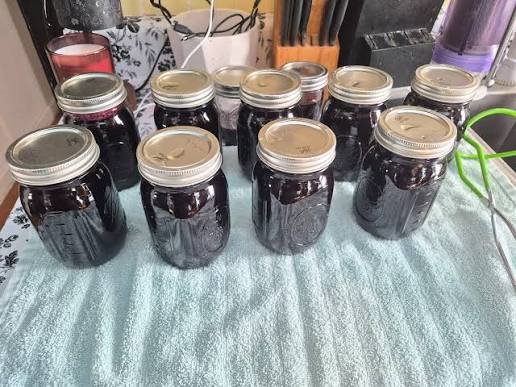
Canning grape sugar using old fashioned methods is a wonderful tradition that brings the rich natural sweetness of fresh grapes straight into your kitchen pantry. This traditional recipe is all about gently cooking down pure grape juice until it transforms into a thick syrup full of natural fruit sugars without relying on refined white sugar. Homemade grape sugar, often known historically as grape molasses or syrup, captures the true essence of summer harvest so you can enjoy it all year long. Learning how to prepare and preserve this liquid gold gives you complete control over what goes into your food while connecting you to time honored cooking traditions. The process is remarkably straightforward, requiring only fresh grapes, a little water, a touch of patience, and standard home canning equipment. By following traditional techniques, you create a deeply flavorful, rich sweetener that can easily replace artificial sugars in countless recipes.
People absolutely love this recipe because it offers an authentic taste that commercial grocery store syrups simply cannot match. The deep, complex flavor profile combines natural fruitiness with subtle caramel notes that develop during the slow simmer process. Home cooks cherish the nostalgic feeling of making something entirely from scratch using simple ingredients straight from nature. Families appreciate having a natural sweetener free from high fructose corn syrup, artificial colors, or chemical preservatives. It is also an incredibly cost effective way to preserve a large harvest of fresh grapes when they are in peak season and inexpensive. Watching the clear fresh juice slowly darken and thicken into a fragrant syrup brings immense satisfaction to anyone who enjoys homesteading or home preservation.
Making old fashioned grape sugar is perfect for those moments when you crave wholesome comfort food or want to nourish your body with clean ingredients. You might decide to spend a cozy afternoon preparing a batch during the late summer or early autumn harvest when grapes are abundant and sweet. From a health and fitness perspective, this natural sweetener provides simple fruit sugars along with beneficial antioxidants like polyphenols, making it a wonderful alternative to processed sugars. Incorporating natural fruit syrups into your diet can help satisfy a sweet tooth while offering minor amounts of essential vitamins and minerals. On an emotional level, opening a shiny jar of homemade grape sugar during cold winter mornings brings back memories of warm sunny days and fruit picking adventures. It makes an extraordinary topping for breakfast treats, a lovely addition to warm beverages, or a special gift for loved ones who appreciate homemade foods.
Preserving your own grape sugar at home also creates a wonderful sense of self sufficiency and connection to culinary history. In generations past, families relied heavily on fruit sugars to sweeten their daily meals before factory processed sugar became widely available everywhere. Mastering this method allows you to honor those traditional kitchen skills while tailoring the sweetness to your personal family preferences. The gentle cooking process fills your entire home with an amazing fruity aroma that creates a comforting and welcoming atmosphere. Because this preservative free sweetener keeps remarkably well in sealed glass jars, you can build up a reliable pantry staple that lasts for months. Every single step, from mashing the fresh grapes to hearing the glass jar lids seal tightly on your counter, offers a deeply rewarding experience for cooks of all skill levels.
Ingredients You Will Need
Ten pounds of fresh sweet grapes, thoroughly washed and removed from stems Four cups of clean drinking water for initial simmering One half cup of fresh lemon juice to balance acidity and natural sweetness One quarter teaspoon of baking soda, optional to neutralize excess tartness if using wild grapes
Step by Step Method
Start by gathering all of your equipment and preparing your workspace. You will need a large heavy bottomed stockpot, a potato masher, a fine mesh strainer or jelly bag, a large bowl, water bath canning equipment, glass canning jars with new lids, and a jar lifter. Clean your kitchen counters thoroughly and wash all glass jars, lids, and bands in warm soapy water. Place your clean jars inside your water bath canner filled with water and heat them so they remain warm and ready for filling. Keeping the jars warm prevents them from cracking when hot syrup is poured inside later.
Next, carefully inspect your ten pounds of fresh grapes. Remove any grapes that are spoiled, bruised, or damaged, as well as any lingering stems or leaves. Wash the selected grapes thoroughly under cool running water in a large colander. Transfer the clean grapes into your heavy bottomed stockpot and add the four cups of clean drinking water. Turn the heat to medium high and bring the mixture to a gentle boil. As the grapes heat up and soften, use your potato masher to crush them carefully against the bottom and sides of the pot to release their natural juices.
Once the grapes are thoroughly crushed and boiling, reduce the heat to low. Cover the stockpot with a tight lid and let the grapes simmer gently for about twenty to twenty five minutes. This slow cooking phase helps break down the fruit skins and releases all the rich color, flavor, and natural sugars stored inside. Stir the mixture occasionally with a long wooden spoon to prevent any fruit pieces from sticking to the bottom of the pot. You will notice the water turning a deep red, purple, or golden shade depending on the variety of grapes you selected.
After the initial simmering time is complete, carefully remove the stockpot from the stove. Position a fine mesh strainer or a multi layered cheesecloth jelly bag over a large clean bowl. Ladle the hot grape pulp and juice into the strainer or bag. Allow the liquid to drip naturally into the bowl for at least one to two hours. Avoid pressing or squeezing the fruit pulp forcefully if you want a clear syrup, although squeezing gently will yield more juice with a slightly cloudier appearance, which is perfectly fine for traditional home style grape sugar.
Pour the clear, collected grape juice back into your large heavy bottomed stockpot. Measure the juice volume so you know how much liquid you are working with. Add the one half cup of fresh lemon juice into the pot. The lemon juice adds a crisp flavor contrast that balances the intense sweetness and helps raise the acidity level for safe preservation. Turn the burner to medium heat and bring the liquid to a steady simmer without covering the pot.
Allow the grape juice to simmer continuously so the excess water slowly evaporates. As the liquid reduces, the natural fruit sugars concentrate, and the juice begins to thicken into a luxurious syrup. Stir the pot regularly, especially as it becomes thicker, to ensure the bottom does not scorch. If you notice any white or brown foam rising to the top during cooking, skim it off gently with a wide spoon. This reduction stage can take anywhere from one to two hours depending on the initial water content of your grapes.
Test the thickness of your grape sugar as it nears completion. Dip a cold metal spoon into the hot syrup and lift it up. If the syrup coats the back of the spoon lightly and drips off in thick slow drops rather than a watery stream, it has reached the ideal consistency. Remember that the syrup will thicken even further as it cools down in the jars. If you prefer an extra thick syrup, continue simmering for a little longer while watching the heat closely to prevent burning.
Carefully remove your heated glass canning jars from the hot water bath using your jar lifter and place them on a clean towel spread over your kitchen counter. Pour the hot grape sugar into the warm jars using a wide mouth funnel. Leave exactly one half inch of space at the top of each jar, which is known as headspace. This space is essential for creating a proper vacuum seal during the canning process.
Take a clean damp paper towel and wipe the rims of each jar thoroughly to remove any drops of sticky syrup. Place a warm lid on top of each jar and screw the metal band down until it is fingertip tight. Do not overtighten the bands, as air needs to escape from the jars during the water bath heating process to form a tight seal.
Use your jar lifter to place the filled jars carefully back into the water bath canner. Ensure the water level covers the tops of the jars by at least one to two inches. Put the lid on the canner and bring the water to a rolling boil. Process the jars in the boiling water bath for ten minutes, adjusting the time upwards if you live at a higher altitude.
When the processing time is finished, turn off the heat and remove the canner lid. Let the jars sit inside the hot water for five minutes to stabilize. Carefully lift the jars straight up out of the water using your jar lifter and place them onto a towel lined counter. Leave the jars completely undisturbed for twenty four hours while they cool down completely. You will hear satisfying popping sounds as the lids pull downward and seal firmly.
Why This Recipe Is Special
This traditional grape sugar recipe stands out because it relies entirely on the natural sweet goodness of fresh fruit rather than refined sugars or commercial additives. By removing excess water through slow simmering, you capture pure concentrated grape flavor that enhances a wide range of dishes. It offers a cleaner sweetener alternative that retains trace minerals, antioxidants, and natural plant compounds found in whole grapes. Furthermore, the absence of artificial gelatin or chemical thickeners ensures an authentic, smooth texture that highlights true old fashioned food craft.
Extra Tips for Better Taste
For an even richer flavor profile, try combining different grape varieties such as Concord for deep aroma and Thompson seedless for smooth sweetness. You can also infuse warm subtle spices into the syrup during the final reduction stage by adding a whole cinnamon stick or a few cloves, which can be removed before filling your jars. If you prefer a brighter citrus note, adding a small strip of fresh orange peel while cooking introduces a wonderful aromatic twist. Always ensure your grapes are fully ripe before starting, as ripe grapes contain the highest level of natural sugar.
Final Thoughts
Making your own old fashioned grape sugar is a delightful and rewarding kitchen project that brings traditional culinary skills back into the modern home. The resulting rich, fruity syrup is amazingly versatile and adds a wonderful touch of warmth to your daily meals, desserts, and drinks. By preserving fresh grapes at their peak sweetness, you create a delicious pantry staple that your whole family will enjoy for months to come.
Nutrition Details
Nutrition Estimate Per Serving (Two Tablespoons)
Calories: 60 kcal Total Carbohydrates: 15 grams Natural Fruit Sugars: 14 grams Dietary Fiber: 0 grams Protein: 0 grams Total Fat: 0 grams Sodium: 5 milligrams Potassium: 85 milligrams
Disclaimer
Everyone’s body and dietary needs are unique, so individual nutritional requirements and results may vary. This natural sweetener recipe contains concentrated fruit sugars, so individuals managing specific health conditions or blood sugar levels should consult a qualified healthcare professional or nutritionist before making significant dietary changes.