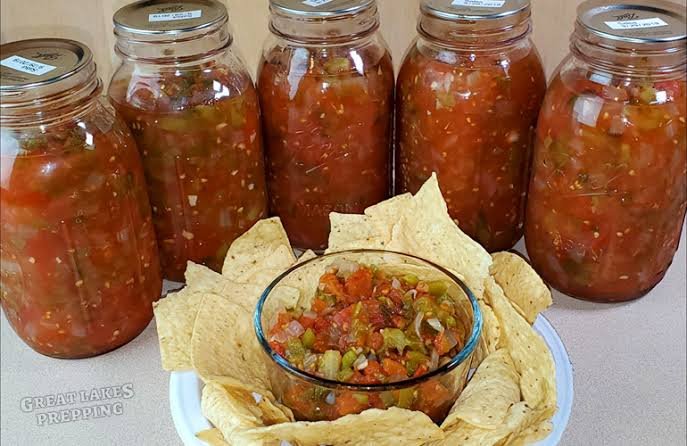
Canning easy recipes is one of the most rewarding and satisfying kitchen skills anyone can learn today. It is all about preserving fresh fruits, vegetables, sauces, and soups in glass jars so that you can store them safely for a very long time. Many people think that home food preservation is an ancient art that only our grandparents practiced, but it is making a massive comeback in modern homes. When you preserve your own meals, you know every single ingredient that goes into your glass jars, which means no artificial additives, no weird chemical preservatives, and no excessive sodium levels. This guide focuses on a simple, foolproof approach to preserving delicious homemade tomato sauce that any beginner can master on their very first attempt without feeling overwhelmed by complex techniques or expensive commercial kitchen equipment.
People absolutely love this process because it brings an incredible sense of self reliance, creative satisfaction, and deep comfort to daily home cooking routines. There is something truly magical about opening a pantry filled with shiny, colorful glass jars that you filled with your own hands during the weekend. The flavor of homemade preserved food is far superior to anything you can buy in a grocery store aisle because store bought canned goods are often processed at extreme temperatures that strip away natural flavors and delicate vibrant colors. Once you taste a fresh jar of custom preserved sauce made with sweet summer garden vegetables and natural spices, you will never want to go back to commercially prepared canned products again.
You should make this recipe whenever you have an abundance of fresh seasonal garden tomatoes or when you find a fantastic sale at your local farmers market. It is also a fantastic project for meal prep enthusiasts who want to save precious time during busy weeknight dinners without sacrificing personal health or rich home cooked flavor. On an emotional level, sharing a hand crafted jar of rich tomato preserves with family, close neighbors, or friends makes for a deeply meaningful, personal gift that warmhearted people always treasure. From a physical health and fitness perspective, control over your food supply allows you to reduce unwanted refined sugars and maintain a clean, nutrient dense diet that keeps your body feeling energized throughout the whole day.
Learning this easy preservation routine gives you total peace of mind regarding your family kitchen budget and food safety standards. In a world where food prices keep rising and store shelves can sometimes be unpredictable, having a well stocked home pantry is both practical and deeply comforting. You do not need to be a professional chef or a seasoned culinary expert to master this basic food preservation craft. All you need is a bit of patience, simple equipment, clean glass jars, and fresh quality produce to transform simple ingredients into long lasting pantry staples that taste amazing every time you pop open a new lid.
Ingredients You Will Need
Ten pounds of fresh ripe plum tomatoes washed and cored
One cup of fresh lemon juice bottled for consistent acidity
Two tablespoons of fine sea salt
One half cup of fresh basil leaves finely chopped
One quarter cup of extra virgin olive oil
Ten whole cloves of fresh garlic peeled and minced
Two tablespoons of dried oregano
One tablespoon of black pepper freshly ground
Two cups of sweet yellow onions finely diced
Step by Step Method
Start by gathering all of your fresh vegetables and washing them thoroughly under cool running tap water to remove any dirt or debris. Prepare a large pot of boiling water on your stove top alongside a large bowl filled with cold water and ice cubes for blanching. Take each washed tomato and make a small cut shaped like a cross on the very bottom using a sharp paring knife. Gently drop the tomatoes into the boiling water in small batches for about thirty to sixty seconds until you see the skins start to split open. Quickly move the hot tomatoes into the ice water bath using a slotted spoon so that they stop cooking immediately and cool down enough for you to handle safely.
Now you can easily slip the skins off the tomatoes using your fingers, as the ice bath makes them slide right off without any struggle. Cut the peeled tomatoes into halves or quarters and gently squeeze out the excess watery seeds over a bowl if you prefer a thicker, richer sauce texture. Place a large stainless steel soup pot over medium heat on your stove top and add the extra virgin olive oil to heat up gradually. Add the diced yellow onions and minced garlic to the hot oil, stirring continuously with a wooden spoon for about five to eight minutes until they become soft, translucent, and delightfully fragrant.
Dump all of the prepared peeled tomatoes into the pot with the onions and garlic, crushing them gently with your wooden spoon or a manual potato masher to break down the big chunks. Add the fine sea salt, dried oregano, freshly ground black pepper, and chopped fresh basil into the tomato mixture, stirring everything well to blend the wonderful flavors together. Bring the entire pot to a rolling boil over medium high heat, then lower the flame to let the sauce simmer uncovered for about forty five to sixty minutes. Stir the pot occasionally so that the sauce does not stick to the bottom or scorch, allowing the natural liquid to evaporate until the sauce reaches a rich, thick consistency.
While your delicious tomato sauce is simmering on the stove top, wash your glass canning jars, metal bands, and brand new lids in warm soapy water, rinsing them completely clean. Place your clean glass jars into a large water bath canner filled with hot water and keep them warm until you are ready to fill them up so they do not crack when hot liquid is added. Ladle two tablespoons of bottled lemon juice directly into the bottom of each clean pint sized glass jar before adding any hot tomato sauce to ensure proper safety acidity levels. Carefully ladle the hot tomato sauce into the jars, using a simple funnel to keep the glass rims clean and leaving one half inch of space at the top of each jar.
Run a clean plastic bubble remover tool or a thin butter knife down the inside sides of each filled jar to release any trapped air bubbles. Wipe the top rim of every glass jar thoroughly with a clean, damp cloth to remove any stray drips of sauce or food residue that might prevent a proper seal. Place a warm metal lid flat on top of each jar and screw the outer metal band down until it is finger tip tight, taking care not to overtighten it. Place the filled jars carefully into your water bath canner rack, lower them into the boiling water until they are covered by at least one inch of water, and process them at a full boil for thirty five minutes. Once the processing time is complete, turn off the heat, carefully remove the hot jars using a jar lifter, and place them upright on a thick towel on your kitchen counter to cool naturally for twenty four hours without moving them.
Why This Recipe Is Special
This simple preservation method stands out because it preserves peak seasonal nutrition and vibrant natural garden flavors without using artificial store bought additives. Cooking and preserving fresh tomatoes actually increases the availability of lycopene, a powerful natural antioxidant that supports heart health, protects skin cells, and reduces inflammation throughout the human body. Because you control every single ingredient, you can easily adjust the salt content or omit unwanted sugars completely, creating a clean eating base for healthy homemade meals. Preserving your own food at home also cuts down on food waste significantly, saves money over time, and provides immense personal satisfaction every time you make a wholesome dinner straight from your pantry.
Extra Tips for Better Taste
To elevate the deep savory flavor profile of your preserve, try roasting the garlic cloves and onions in the oven with a light drizzle of olive oil before adding them to the main cooking pot. Adding a tiny pinch of red pepper flakes during the simmering stage will bring a gentle, comforting warmth without making the sauce overly spicy for kids or sensitive eaters. Always make sure to use store bought bottled lemon juice instead of fresh squeezed lemons because bottled juice guarantees a reliable, standardized acidity level required for safe long term glass jar storage. Let your sealed jars rest in a cool, dark, dry pantry for at least a week before opening the first one, as this resting period allows the herbs and aromatics to blend together beautifully.
Final Thoughts
Embarking on your home preservation journey is one of the most rewarding steps you can take toward a healthy, self sufficient, and budget friendly kitchen lifestyle. There is unmatched joy in hearing the satisfying pop of a sealing lid and knowing that you created a clean, nutritious pantry meal completely from scratch using real whole food ingredients. As you gain confidence with this easy step by step tomato sauce, you will feel inspired to explore new fresh flavors, seasonal vegetables, and simple kitchen projects that nourish both your body and your family. Enjoy every step of the process, take pride in your new skills, and savor the warm, delicious taste of homemade food all year long.
Nutrition Details
| Nutrient Name | Quantity Per Serving | | Base Serving Size | One Half Cup | | Calories | Sixty Five | | Total Fat | Two Grams | | Sodium | Three Hundred Twenty Milligrams | | Total Carbohydrates | Ten Grams | | Dietary Fiber | Two Grams | | Total Sugars | Six Grams | | Protein | Two Grams | | Vitamin C | Twenty Five Percent Daily Value | | Vitamin A | Fifteen Percent Daily Value |
Disclaimer
Everyone’s body is unique and dietary requirements or health responses can vary from person to person. The health and nutritional information provided in this article is meant for general educational purposes only and should not replace professional medical or nutritional advice. Always follow proper home preservation food safety guidelines to ensure safe canning practices, and consult with a qualified health professional or dietitian regarding any specific health concerns, allergies, or personal dietary needs.