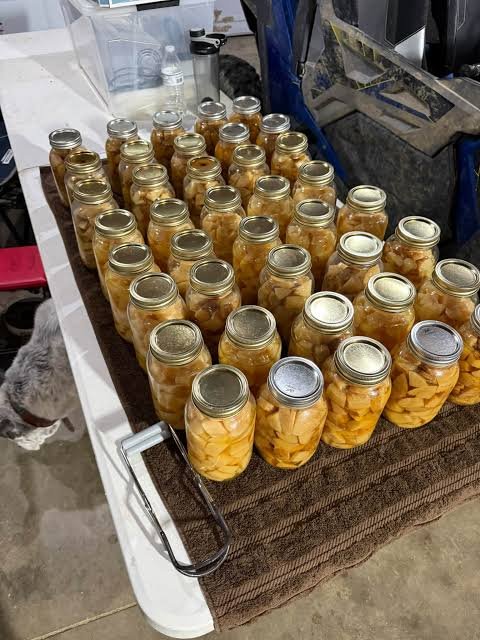
Canning two hundred fifty pounds of fresh potatoes to make one hundred eighteen jars is an amazing journey into the world of long term food store preparation. This full process is all about taking a massive haul of fresh garden produce or budget market vegetables and saving them inside glass food containers for many months ahead. When you preserve whole or chopped potatoes at home using a pressure canner, you create real food security and total peace of mind for your family kitchen. This article will show you every step of how to turn two hundred fifty pounds of raw whole potatoes into one hundred eighteen individual quart and pint preservation containers filled with tender white cut potatoes floating in clean salty hot water. Learning how to preserve this massive volume of root vegetables allows you to clear out pantry storage space, protect your food supply against rising market prices, and build up an impressive pantry wall that looks beautiful and gives you deep personal pride. The ultimate goal of this guide is to teach absolute beginners how to tackle a huge batch preservation project without feeling overwhelmed by the total size of the job.
People absolutely love canned home potatoes because they make daily meal preparation extraordinarily fast, effortless, and fun for busy home cooks who have very little free time. Having pre cooked soft preserved potatoes ready inside glass storage vessels on your kitchen shelves means you can make crispy hash browns, rich mashed potatoes, hearty winter stews, or quick potato salads in just a few minutes without scrubbing dirt or peeling skins. Home cooks adore opening a fresh jar on a tired weeknight because all the tedious preparation work was completed weeks or months earlier during your big kitchen project. The texture of pressure canned potatoes becomes wonderfully soft, making them ideal for instant cooking, while the subtle salt infusion gives them a cozy, rich, savory flavor that beats store bought canned vegetables every single time. Another massive reason people fall in love with home preservation is the huge financial savings achieved by purchasing whole crop sacks in peak harvest season when prices are at their lowest point of the whole year.
Making this huge project happen brings a deep emotional satisfaction that connects you to simple traditional homestead skills while providing practical everyday lifestyle advantages for your busy home. On a personal and emotional level, looking at one hundred eighteen glowing glass containers aligned neatly on your wooden basement shelves creates a feeling of total comfort, stability, and warm family security. From a fitness and health perspective, preserving your own clean whole foods ensures that you control every single clean ingredient, avoiding artificial chemical additives, bad extra oils, or excessive industrial sodium levels found in commercially processed box foods. Active individuals and meal planners love these convenient carbohydrate sources because they offer pure natural energy that can be heated quickly after long intense exercise sessions or busy outdoor work days. Whenever winter storms arrive or busy life schedules leave you with zero time to cook complex dinners from scratch, having this massive ready to eat food supply inside your own home will feel like a complete life saver for your household budget and peace of mind.
Taking on a project involving two hundred fifty pounds of potatoes sounds like a giant task, but breaking the entire job into simple repetitive steps turns it into a peaceful, rewarding kitchen ritual. You will spend time washing away fresh garden soil, peeling away rustic brown skins, chopping thick white cubes, boiling water, and managing your pressure cooker equipment carefully. The wonderful smell of warm earthly roots simmering on your stove fills your whole home with an incredible feeling of warmth and old fashioned kitchen comfort. By following safe pressure processing guidelines, you make sure that every single jar remains safe, fresh, and totally delicious for a very long period without needing electric refrigeration. Whether you are aiming to build an emergency food pantry, streamline your daily family dinner routine, or simply master a wonderful new culinary self sufficiency skill, learning to process one hundred eighteen jars of fresh potatoes is one of the most practical and satisfying cooking choices you will ever make in your home kitchen.
Ingredients You Will Need
- 250 pounds fresh firm whole potatoes (such as Yukon Gold, Russet, or Idaho potatoes)
- 118 teaspoons canning salt or non iodized pure sea salt (1 teaspoon per quart jar or half teaspoon per pint jar)
- Boiling water (enough volume to fill all 118 glass jars completely)
- Fruit pectin or ascorbic acid powder (optional treatment to prevent yellowing or darkening of raw potatoes)
Step by Step Method
- Clean and organize your entire kitchen area thoroughly before starting this big batch project. Wash all work surfaces, counter spaces, giant bowls, cutting boards, and your knives with warm soapy water to ensure a completely clean cooking environment.
- Wash all two hundred fifty pounds of fresh potatoes in large batches using cool running tap water. Use a soft vegetable brush to scrub away all dirt, clay, and soil remnants from the skin surfaces carefully.
- Peel all the potatoes completely using sharp hand peelers. Remove any green spots, dark eyes, soft areas, or deep blemishes from the white potato flesh with a small utility knife to ensure only healthy clean root pieces are preserved.
- Cut the peeled potatoes into equal cubes measuring roughly one inch across. Keeping all cut pieces at a similar size ensures that every piece cooks evenly during the long hot pressure processing cycle inside your canning equipment.
- Place your raw cut potato pieces into large deep tubs filled with cold water. Add a small spoonful of ascorbic acid powder or lemon juice to this cold soaking water to prevent the white potato cubes from turning brown while you finish chopping the remaining crop.
- Drain the cold soaking liquid off your chopped potato cubes once all chopping is complete. Transfer the cut potatoes into large stock pots filled with fresh clean hot water.
- Bring the large pots of potatoes to a gentle rolling boil on your stove top burner. Allow the raw potato pieces to boil gently for exactly two minutes to heat them through completely. This essential pre heating step is known as the hot pack method.
- Prepare your one hundred eighteen canning jars by inspecting every glass rim for cracks or sharp chips. Wash all glass jars in hot soapy water and rinse them thoroughly to make sure they are completely clean before filling.
- Add non iodized canning salt into every clean empty jar using a precise measuring spoon. Add exactly one level teaspoon of salt into each quart size jar, or add one half teaspoon of salt into each pint size jar.
- Carefully scoop the hot pre boiled potato cubes out of your cooking pots using a slotted spoon. Fill each clean glass jar with hot potato pieces, leaving exactly one inch of empty space between the top layer of potatoes and the very top rim of the glass jar.
- Ladle fresh clear boiling water into each filled jar over the potato pieces. Maintain that precise one inch of empty air space at the top of every jar rim so the liquid has room to expand safely during heat processing.
- Insert a clean plastic bubble remover tool or slender spatula down into the inside sides of each filled jar. Gently shift the potato pieces back and forth to release any trapped air bubbles hidden deep inside the liquid.
- Wipe the top flat glass rims of every filled jar using a clean damp paper towel. Removing all traces of wet potato starch or liquid residue ensures that the flexible sealing rubber on your metal lids makes a perfect airtight bond.
- Place a warm metal canning lid flat onto the cleaned top rim of each filled glass jar. Screw a metal band ring over each lid, turning it until it is finger tip tight without using excessive forced strength.
- Pour two to three inches of clean fresh water into the bottom of your large pressure canner equipment. Set the pressure vessel onto your heavy stove top burner and turn the heat setting up to high.
- Load your filled hot potato jars carefully inside the pressure canner, placing them flat onto the interior bottom rack. Make sure jars do not directly touch each other tightly so hot steam can circulate freely around every container.
- Fasten the heavy pressure canner lid tightly in place according to the exact instructions provided by your equipment maker. Leave the top vent pipe wide open without placing any weight gauge on top.
- Allow hot steam to vent continuously out of the top open pipe for ten full minutes. This important step purges all cool air out of the processing chamber, replacing it entirely with high temperature hot steam.
- Place your pressure weight gauge or adjustable regulator weight directly over the top open vent pipe once the ten minute steam venting period finishes.
- Allow the internal pressure level inside your processing vessel to build up until it reaches ten pounds of pressure on a dial gauge or matching weight setting (adjusting higher for high elevation areas above one thousand feet).
- Start your timing clock once the proper pressure reading is reached. Process pint jars for thirty five continuous minutes or process quart jars for forty continuous minutes at steady stable heat levels.
- Adjust your stove top heating controls carefully during the entire timing period to ensure that internal steam pressure never drops below the required processing level for even a single moment.
- Turn off your stove top burner completely once your required processing time finishes. Allow the pressure canner equipment to sit untouched on the stove so it can cool down and depressurize completely on its own natural timeline.
- Never force a pressure vessel to cool down fast by opening vents or running cold water over the lid. Unforced natural pressure reduction prevents dangerous boiling liquid loss from inside your glass jars.
- Unfasten and lift off the heavy pressure canner lid carefully once the pressure gauge registers absolute zero and the safety cover lock drops completely down. Tilt the lid away from your face to avoid hot steam burns.
- Lift the hot processed jars out of the processing vessel using a sturdy rubber coated jar lifter tool. Keep every jar completely upright without tilting it sideways during lifting.
- Set all hot processed glass jars down onto a thick dry bath towel spread out across a safe wooden counter area. Space jars two inches apart so cool air can circulate around all sides smoothly.
- Allow all one hundred eighteen hot glass containers to cool down undisturbed at normal room temperature for twelve to twenty four full hours. Listen for the distinct musical ping sound as every metal center lid snaps downward into a tight vacuum seal.
- Check every single cooled jar seal after twenty four hours pass. Press down firmly on the center flat surface of every metal lid; if the lid stays firm without popping up and down, your vacuum seal is success.
- Unscrew the outer metal band rings from all sealed jars. Wipe down the exterior glass surfaces with a damp cloth to remove any sticky mineral residue, label each container with the processing date, and store your preserved potatoes in a cool, dark, dry storage space.
Why This Recipe Is Special
This massive home canning project is extraordinarily special because it transforms cheap bulk root crops into quick ready to use whole food building blocks for daily living. Preserving your own farm fresh potatoes at home guarantees that you avoid unwanted chemical stabilizers, industrial anti caking powders, or heavy artificial preservatives often found in processed grocery foods. Potatoes offer excellent natural health advantages because they contain generous amounts of essential potassium, vital vitamin C, natural dietary fiber, and healthy complex carbohydrates that fuel your active daily movements. Cooking and preserving your own root vegetables keeps your nutritional lifestyle completely clean, simple, and transparent.
Another incredible feature of home pressure canned potatoes is their delightful melt in your mouth tenderness. Because these root pieces undergo long processing under high temperature steam pressure inside sealed glass chambers, the natural potato starches soften completely while locking in pure savory flavor. The simple light salt solution penetrates deep into every single white cube, seasoning the vegetable from the absolute inside out. Unlike raw potatoes stored in a dark basement root cellar which can eventually sprout, shrivel, turn soft, or rot away over winter months, pressure canned potatoes stay preserved in stable condition without losing quality for a very long period.
From a practical kitchen management standpoint, this batch process is a total game changer for busy home cooks who love good home style meals without long kitchen labor. Opening a pre cooked jar of tender soft potatoes saves you from washing dirty skin, peeling tough exteriors, and spending long periods waiting for water to boil on busy weeknights. You can instantly dump a jar of preserved potato cubes directly into roasting pans, hot skillet pans, soup broths, or mixing bowls to create high quality hearty dishes in minutes. This massive batch technique offers the ultimate blend of old fashioned practical frugal living, total kitchen convenience, and clean healthy family nutrition.
Extra Tips for Better Taste
- Add whole dry spices like white peppercorns, garlic powder, onion flakes, or dried bay leaves directly into each glass jar before adding boiling water for subtle infused gourmet savory flavor.
- Always select fresh firm varieties like Yukon Gold or red skin potatoes if you prefer firmer chunks, as high starch Russet varieties become extra soft and creamy during pressure processing.
- Drain the water out of your canned potato jar and toss the soft potato cubes with olive oil, garlic salt, and smoked paprika before air frying or baking at high heat to achieve ultimate crispiness outside with fluffy softness inside.
- Use fresh clear bone broth or rich vegetable broth instead of plain hot water to fill your jars for an insanely rich base that makes instant soups and gravies extra delicious.
- Mash your canned potatoes directly inside a warm saucepan with fresh butter, sour cream, cracked black pepper, and warm milk for the absolute fastest homemade mashed potatoes you will ever taste.
- Always let your drained potato cubes dry out completely on a paper towel for five minutes before tossing them into hot oil if you want super crunchy breakfast hash brown potatoes.
Final Thoughts
Embarking on a giant kitchen journey to preserver two hundred fifty pounds of fresh potatoes into one hundred eighteen individual glass jars is an incredibly empowering experience that fills your home with pride, delicious comfort, and true food independence. While processing such a massive amount of root vegetables takes time, energy, and careful focus, the incredible reward of a fully stocked pantry wall makes every single minute of peeling and chopping completely worth the effort. You will love the pure daily convenience of grabbing ready to eat canned potatoes off your basement shelves to build fast, healthy, satisfying family dinners whenever life gets busy. Embrace the simple joys of traditional home preservation techniques, enjoy the cozy culinary process, and celebrate your fantastic collection of preserved delicious home food.
Nutrition Details
Recipe Total and Per Serving Estimated Values
| Nutrient Category | Total Recipe Value (118 Jars) | Value Per Serving (1/2 Cup Portion) |
| Calories | 87320 kcal | 92 kcal |
| Carbohydrates | 19825 grams | 21 grams |
| Dietary Fiber | 2500 grams | 2.6 grams |
| Protein | 2270 grams | 2.4 grams |
| Fat | 113 grams | 0.1 grams |
| Vitamin C | 22400 milligrams | 23.7 milligrams |
| Potassium | 482000 milligrams | 510 milligrams |
| Sodium | 27140 milligrams | 287 milligrams |
Disclaimer
This home food preservation guide and nutrition summary is presented for simple educational and informational purposes only. Individual body health needs, dietary requirements, calorie burning rates, and digestive responses vary from person to person. Always make sure to follow tested pressure canning guidelines carefully to ensure absolute safety for low acid root vegetables like potatoes. Consult a qualified medical doctor, certified clinical nutritionist, or professional health provider for personal dietary advice or specific medical health questions regarding your personal diet choices.