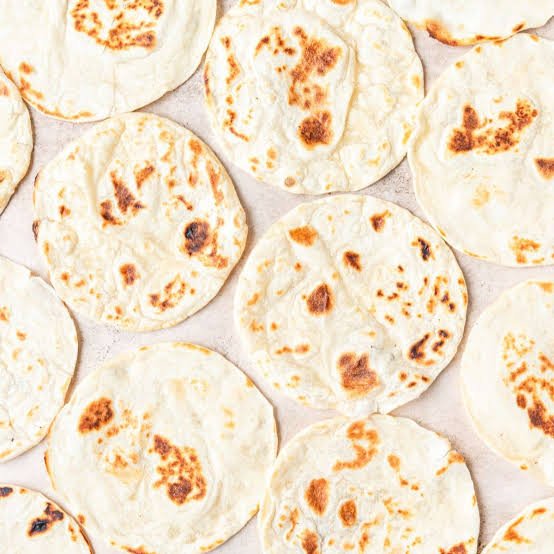
Sourdough tortillas are a wonderful variation of the classic flatbread that so many households around the world enjoy every single day. If you have ever kept a sourdough starter on your kitchen counter, you already know that you often end up with extra starter that needs to be used or discarded. Instead of throwing away that valuable starter, you can turn it into soft, flexible, and delicious tortillas that taste much better than anything you can buy at a store. This recipe combines the traditional art of sourdough baking with the simple joy of quick skillet cooking. You do not need any advanced baking skills or special equipment to pull this off in your own home. By taking basic pantry staples like flour, oil, salt, and water, and mixing them with your sourdough discard, you create a rich dough that cooks up in minutes. The dough becomes smooth, pliable, and easy to roll out into thin circles that puff up beautifully when they touch a hot pan.
People absolutely love this sourdough tortilla recipe for many different reasons, but the main reason is the incredible texture and flavor. Store bought tortillas are often full of artificial preservatives, extra chemicals, and strange oils that leave a weird film in your mouth. They can also break easily when you try to fold them around your favorite taco fillings. These homemade sourdough tortillas are completely different because they are soft, bendable, and hold together exceptionally well without cracking or tearing apart. The subtle tangy flavor from the fermented starter adds a rich depth of taste that elevates tacos, burritos, quesadillas, and wraps to a whole new level. Beginners love this recipe because it is very forgiving and does not require complex folding techniques or precise temperatures like traditional sourdough bread loaves do. It gives you a huge sense of accomplishment to see basic ingredients transform into fresh, warm tortillas right before your eyes.
There are many special moments when making these sourdough tortillas feels like the best decision you can make in your kitchen. On a quiet weekend morning, gathering your family or friends to roll out dough together creates a warm, cozy atmosphere that connects people over food. From a wellness perspective, fermented sourdough is much easier on the digestive system because the wild yeast and beneficial bacteria help break down the gluten and phytic acid in the flour. This means you can enjoy your favorite Mexican dishes or lunch wraps without feeling heavy, bloated, or overly full afterward. If you care about fitness, these tortillas provide steady energy from simple, wholesome whole foods rather than processed sugars and artificial additives. Making them is also a wonderful emotional ritual after a long, stressful workday because kneeling and rolling the soft dough serves as a peaceful, grounding form of relaxation before enjoying a hot, homemade meal.
Whether you are trying to cut down on grocery store spending, reduce food waste in your kitchen, or simply serve healthier meals to your family, this recipe is the ultimate solution. You can easily make a large double batch on a Sunday afternoon and store them for the rest of the busy week ahead. They stay soft for days at room temperature and freeze extremely well for long term meal prep planning. Every single bite offers a subtle sourdough tang balanced by the rich richness of healthy oil and sea salt. Children love helping to roll out the dough, making it a great activity for getting little kids involved in cooking early on. Once you taste a warm, fresh tortilla taken straight off the hot iron skillet, it is almost impossible to go back to buying packaged ones from the grocery aisle ever again.
Ingredients You Will Need
Below is the complete list of ingredients required to make a batch of eight soft, delicious sourdough tortillas. Please measure your items accurately for the best results.
- All purpose flour: 2 cups (240 grams)
- Active sourdough starter or sourdough discard: 1/2 cup (120 grams)
- Warm water: 1/2 cup (120 milliliters)
- Olive oil or melted avocado oil or lard: 1/4 cup (60 milliliters)
- Fine sea salt: 1 teaspoon (6 grams)
- Baking powder (optional for extra puffiness): 1/2 teaspoon (2 grams)
Step by Step Method
Step 1: Mixing the Dry Ingredients
Take a large mixing bowl and add two cups of all purpose flour. If you want to use baking powder for an extra soft and puffy texture, add half a teaspoon of baking powder into the flour now. Add one teaspoon of fine sea salt. Use a whisk or a fork to stir these dry ingredients together so that the salt and baking powder are evenly spread throughout the flour.
Step 2: Adding the Wet Ingredients
Make a small well or hole in the middle of your flour mixture. Pour in half a cup of your sourdough starter or sourdough discard. Next, add one quarter cup of your chosen oil or melted fat, such as warm olive oil or avocado oil. Finally, pour in half a cup of warm water. Warm water helps the flour absorb liquid faster and makes the dough much softer and easier to knead.
Step 3: Mixing the Dough
Use a wooden spoon or a sturdy spatula to mix the liquids into the flour. Stir gently from the center outward until a rough, shaggy dough begins to form. If there is still dry flour at the bottom of the bowl, you can add one extra tablespoon of warm water. If the dough feels too sticky, add one extra tablespoon of flour.
Step 4: Kneading the Dough
Dust a clean kitchen counter or wooden board with a small amount of flour. Turn the dough out of the bowl onto the counter. Knead the dough with your hands for about three to five minutes. To knead, push the dough forward with the heel of your hand, fold it back over itself, and turn it slightly. Repeat this motion until the dough becomes very smooth, soft, and elastic.
Step 5: Resting the Dough
Form the smooth dough into a single large ball. Place it back inside your mixing bowl and cover the top of the bowl with a clean kitchen towel or plastic wrap. Let the dough rest at room temperature for at least thirty minutes. This resting step is crucial because it allows the gluten in the flour to relax, which makes rolling out the tortillas much easier later.
Step 6: Dividing the Dough
After the resting time is finished, place the relaxed dough back onto your counter. Use a bench scraper or a sharp knife to divide the dough into eight equal pieces. Roll each piece between your hands to form small, smooth dough balls. Cover the small dough balls with your kitchen towel so they do not dry out while you work.
Step 7: Rolling Out the Tortillas
Take one ball of dough and flatten it slightly with your palm on a light flour surface. Use a rolling pin to roll the dough out into a thin circle about seven or eight inches wide. Roll from the center outward in all directions, turning the dough frequently so it retains a round shape. Aim to make the tortilla as thin as possible without tearing it.
Step 8: Heating the Skillet
Place a heavy cast iron skillet, griddle, or non stick pan on your stove over medium high heat. Let the pan get very hot before cooking. You do not need to add any oil or butter to the pan because there is already healthy fat inside the dough itself.
Step 9: Cooking the Tortillas
Gently place your rolled out tortilla into the dry, hot skillet. Cook for about forty five to sixty seconds on the first side. You will see small bubbles start to rise on the surface of the dough, and the bottom will develop light golden brown spots. Flip the tortilla over using tongs or a spatula and cook for another thirty to forty five seconds on the second side.
Step 10: Keeping Them Warm and Soft
Remove the cooked tortilla from the hot skillet and place it immediately inside a folded clean kitchen towel or a dedicated tortilla warmer. Stacking the warm tortillas together inside a towel creates steam, which is the magic secret that keeps them incredibly soft, bendable, and warm while you cook the remaining dough balls. Repeat the rolling and cooking process for all remaining pieces.
Why This Recipe Is Special
This sourdough tortilla recipe is truly special because it combines traditional food preparation methods with everyday modern convenience. Commercial tortillas bought from supermarkets often contain artificial preservatives, hydrogenated oils, and chemical softeners to make them last for weeks on store shelves. When you make your own tortillas at home using this sourdough method, you have total control over every single ingredient entering your body. You use simple, natural items that are easy to pronounce and gentle on your health.
Another major benefit is improved digestibility. Sourdough fermentation breaks down antinutrients like phytic acid that naturally exist in wheat flour. Phytic acid can make it harder for your body to absorb essential minerals like iron, zinc, and magnesium. The lactic acid bacteria present in sourdough starter help pre digest the starches and proteins in flour, making these tortillas much easier on sensitive stomachs compared to standard unfermented flour products.
From a flavor standpoint, nothing compares to the taste of fresh fermented dough cooked on a hot skillet. The subtle sourdough tang balances rich toppings like avocado, cheese, roasted vegetables, and spiced meats perfectly. The texture achieves an ideal balance between soft flexibility and a satisfying slight chew, making your home meals feel like they came directly from an authentic restaurant kitchen.
Extra Tips for Better Taste
To make your sourdough tortillas taste even better, try these simple creative ideas in your kitchen:
- Swap standard oil for high quality grass fed lard or cultured butter to give the tortillas an authentic, rich, traditional flavor.
- Mix half a teaspoon of garlic powder, onion powder, or dried oregano into the flour before adding liquids for a savory herb tortilla.
- Substitute half of the all purpose flour with whole wheat flour to boost fiber content and add a nutty flavor profile.
- Allow the dough to rest inside the refrigerator overnight for twenty four hours to develop a much deeper, tangier sourdough flavor.
- Add fresh finely chopped cilantro or cracked black pepper directly into the dough while kneading for beautiful visual flecks and extra bite.
Final Thoughts
Making sourdough tortillas at home is a simple, rewarding, and fun baking project that anyone can master regardless of cooking experience. It is a fantastic way to eliminate kitchen waste by using up your leftover sourdough discard while creating wholesome, nourishing food for the people you love. Once you experience how easy it is to roll out simple ingredients and cook them in minutes, fresh homemade flatbreads will likely become a regular part of your weekly routine. Enjoy the process, experiment with your favorite toppings, and savor every single warm bite.
Nutrition Details
Here is the estimated nutrition information for this sourdough tortilla recipe, calculated per individual tortilla serving based on a yield of eight tortillas.
| Nutrient | Amount Per Serving |
| Calories | 165 kcal |
| Total Carbohydrates | 25 grams |
| Dietary Fiber | 1 gram |
| Total Sugars | 0.2 grams |
| Protein | 3.5 grams |
| Total Fat | 6.5 grams |
| Saturated Fat | 1 gram |
| Sodium | 290 milligrams |
| Potassium | 45 milligrams |
| Calcium | 15 milligrams |
| Iron | 1.4 milligrams |
Note: Nutritional values may vary slightly depending on the exact brand of flour and type of fat or oil you select.
Disclaimer
This recipe and the accompanying nutritional information are provided for educational and informational purposes only. Everyone’s body, digestive system, and nutritional needs are unique, so individual health benefits and digestion responses may vary from person to person. If you have specific dietary restrictions, celiac disease, or gluten sensitivities, please consult with a qualified doctor or registered dietitian before introducing sourdough products into your diet.