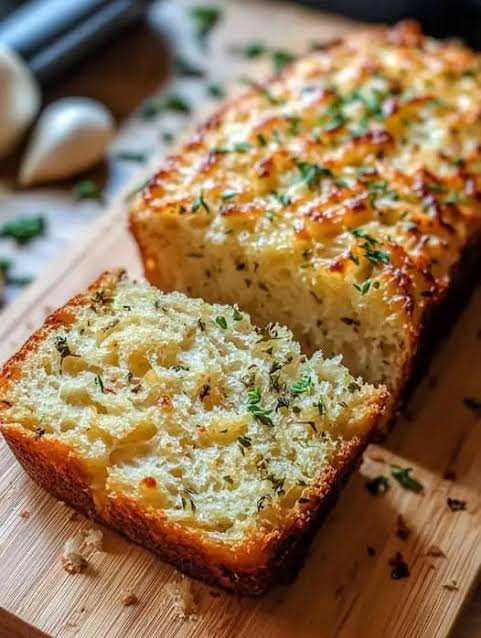
People everywhere absolutely adore this recipe because it strikes the perfect balance between high end gourmet flavor and total beginner friendly ease. Traditional sourdough baking often requires complex schedule planning, precise temperature checks, and days of careful waiting for the wild yeast to slowly rise. This recipe skips the long waiting period by using your unfed discard for incredible tangy flavor, while adding a small pinch of instant yeast to ensure a quick, foolproof rise every single time. The outer crust turns wonderfully golden brown with crisp, crunchy edges where the melted cheese meets the hot baking surface, while the inside remains soft, moist, and tender. Every single slice brings a mouthwatering burst of savory garlic, sharp parmesan, and tangy sourdough notes that instantly make your kitchen smell like an authentic Italian restaurant.
Making this artisan bread is more than just a quick cooking task; it is an incredible sensory experience that brings warmth, comfort, and deep joy to your home. On cold winter afternoons or busy rainy weekends, gathering in the kitchen to mix flour, knead soft dough, and smell garlic roasting in the oven creates an unbeatable feeling of cozy happiness. It is also a fantastic recipe for fitness minded food lovers who want real, whole ingredients without artificial preservatives, store bought dough softeners, or excessive refined sugars. Serving this bread alongside a warm bowl of soup, a big fresh green salad, or a hearty pasta meal elevates a simple dinner into a memorable gathering with family and friends. When you pull this beautiful round loaf out of your hot oven, you will feel an immense sense of pride knowing you turned simple leftover ingredients into a masterpiece.
Whether you are hosting a weekend dinner party, looking for a impressive side dish for family movie night, or simply trying to live a zero waste kitchen lifestyle, this recipe fits every occasion seamlessly. Beginners love it because it builds confidence in working with dough, while experienced home bakers appreciate how fast it comes together compared to standard long fermentation sourdough loaves. The rich flavor profile pairs wonderfully with cured meats, olive oil dips, sharp cheddar cheeses, and rich tomato sauces, making it the ultimate party appetizer or dinner companion. You do not need any high tech kitchen machinery or fancy professional baking gear to achieve success with this step by step guide, making it accessible to anyone with a passion for good comfort food. Let us dive into the simple details so you can start baking your very own masterpiece today.
Ingredients You Will Need
To bake this delicious round loaf, gather these simple and fresh kitchen ingredients. Having everything measured out ahead of time ensures a smooth and fun baking process from start to finish.
Bread Dough Ingredients
-
All purpose flour or bread flour: 500 grams (about 4 cups)
-
Warm water (around 105 degrees Fahrenheit): 300 milliliters (about 1 and 1/4 cups)
-
Sourdough discard (unfed, straight from the fridge): 150 grams (about 3/4 cup)
-
Instant yeast or active dry yeast: 7 grams (1 standard packet or 2 and 1/4 teaspoons)
-
Fine sea salt or table salt: 10 grams (about 2 teaspoons)
-
Extra virgin olive oil: 30 milliliters (about 2 tablespoons)
Flavor Mix In Ingredients
-
Fresh garlic (very finely minced or grated): 6 cloves
-
Grated Parmesan cheese (freshly grated works best): 80 grams (about 1 cup)
-
Dried oregano or dried Italian seasoning: 1 tablespoon
-
Fresh parsley (finely chopped): 2 tablespoons
-
Melted butter (for brushing the hot top crust): 2 tablespoons
Step by Step Method
Follow these easy and detailed steps to create your artisan bread from scratch. Do not worry if you are brand new to baking, as each step is designed to guide you clearly.
Why This Recipe Is Special
This recipe holds a very special place in home baking because it solves the common problem of food waste while creating something genuinely delicious. Every time you feed your sourdough starter, you are forced to discard a big portion of flour paste. Throwing that down the sink feels wasteful, but using it in this round loaf turns potential waste into an amazing artisan food product. The tangy flavor profile from the fermented flour enhances the taste without requiring you to wait days for traditional wild yeast fermentation to take place.
From a health perspective, using sourdough discard brings great advantages to your digestive system. The fermentation process breaks down tough wheat proteins and phytic acid, making the bread much easier for your stomach to process compared to standard store bought white loaves. Furthermore, when you bake your own bread at home, you control every single ingredient that enters your body. There are no artificial chemical softeners, high fructose corn syrups, synthetic dough conditioners, or artificial colors hidden in this loaf.
       [ Golden Crispy Top Crust ]
      /                           \
[ Sharp Parmesan ]             [ Roasted Garlic ]
      \                           /
       [ Soft Fermented Interior ]
The taste and texture combination of this loaf is simply unmatched by store bought alternatives. The outer crust forms a thick, crunchy shell filled with nutty, caramelized Parmesan cheese pockets that crisp up against the hot baking vessel. Inside, the crumb remains exceptionally tender, moist, and airy, infused with rich garlic oils and fragrant herbs in every bite. It delivers a rich, savory mouthfeel that satisfies comfort food cravings while maintaining an authentic, old world bread quality.
Extra Tips for Better Taste
-
Roast your garlic ahead of time: If you want a milder, sweeter garlic flavor without any sharp bite, roast a whole bulb of garlic wrapped in foil with olive oil beforehand, then squeeze the soft roasted garlic cloves directly into your dough mix.
-
Use freshly grated cheese: Always buy a solid block of Parmesan cheese and grate it yourself at home rather than buying pre shredded bagged cheese, because pre shredded options contain anti caking powders that stop the cheese from melting smoothly into the bread dough.
-
Add a hint of red pepper flakes: If your family loves a subtle touch of spicy warmth, toss half a teaspoon of crushed red pepper flakes into the dough alongside your dry herbs for a beautiful kick that complements the salty cheese.
-
Bake with a Dutch oven: Using a heavy cast iron pot with a tight fitting lid traps the steam evaporating from the wet dough inside the pot, which creates that enviable, blistered, ultra crispy bakery style crust on your finished loaf.
-
Store properly to maintain freshness: Keep leftover sliced bread wrapped in a clean cotton tea towel or in a paper bag at room temperature for up to three days, or freeze individual slices in an airtight bag to toast later.
Final Thoughts
Baking your own Garlic Parmesan Sourdough Discard boule is one of the most rewarding and satisfying culinary projects you can undertake in your home kitchen. It turns basic staple pantry items into a rich, fragrant, and visually stunning round loaf that will impress anyone sitting at your dinner table. You do not need years of master baking experience or professional equipment to achieve a golden, crunchy crust and a soft, flavorful middle. Give this accessible recipe a try during your next weekend baking session, enjoy the incredible aromas filling your home, and share warm slices with the people you love most.
Nutrition Details
Here is the approximate nutritional breakdown per serving for this loaf, assuming the full round bread is cut evenly into ten individual slices.
| Nutritional Component | Amount Per Serving (1 Slice) | Daily Value Percentage |
| Calories | 220 kcal | 11% |
| Total Fat | 6 grams | 8% |
| Saturated Fat | 2.5 grams | 13% |
| Sodium | 420 milligrams | 18% |
| Total Carbohydrates | 33 grams | 12% |
| Dietary Fiber | 2 grams | 7% |
| Sugars | 1 gram | 2% |
| Protein | 8 grams | 16% |
| Calcium | 90 milligrams | 9% |
| Iron | 1.8 milligrams | 10% |
Disclaimer
The nutritional figures provided above are estimations calculated using standard ingredient databases and may vary based on specific brand choices, flour varieties, and individual serving sizes. Every person’s body, metabolic rate, and dietary needs are different, so individual health responses and nutritional outcomes will vary. If you have specific dietary restrictions, severe gluten sensitivities, dairy allergies, or medical conditions, please consult with a qualified health professional or registered dietitian before introducing new homemade foods into your meal plan.