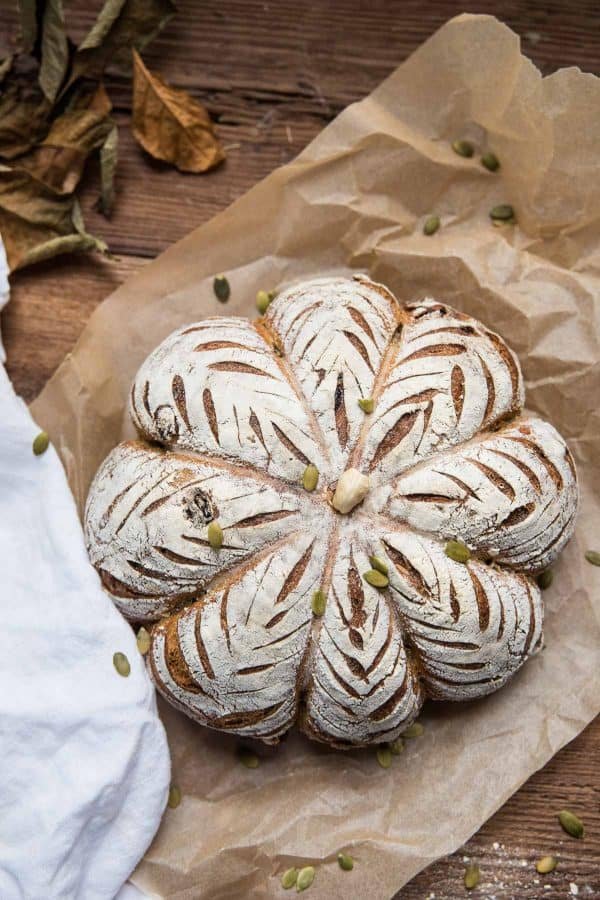
Baking a sourdough pumpkin patch brings the cozy magic of autumn right into your kitchen with soft, golden, spiced bread shaped like little pumpkins. This wonderful recipe takes classic, tangy sourdough bread and blends it with rich pumpkin puree, warm fall spices, and a touch of natural sweetness to create something truly special. Unlike regular round loaves that you simply slice on a wooden board, these individual or clustered sourdough pumpkin rolls look like a charming harvest display sitting on your dining table. Using simple kitchen twine before baking creates those lovely ribbed pumpkin ridges, and sliding a pecan or cinnamon stick into the top after baking turns each roll into a tiny work of art. Even if you are completely new to sourdough baking, this recipe breaks down every single stage into calm, easy steps that anyone can follow at home. You do not need fancy bakery machines or years of bread making experience to pull off this gorgeous bake. With just a bowl, your hands, a active sourdough starter, and a can of pumpkin, you can fill your home with the warm smell of cinnamon, nutmeg, and toasted wheat.
People fall deeply in love with sourdough pumpkin patch bread because it combines visual beauty with an unforgettable soft and chewy texture. When guests walk into your home and see a wooden board covered in golden orange bread pumpkins, their faces immediately light up with joy and surprise. Beyond the adorable look, the flavor is gently sweet, deeply savory from the wild yeast fermentation, and comforting without feeling overly heavy like cake or pie. Many home bakers adore this recipe because it turns an ordinary meal into a festive celebration, whether you serve the rolls alongside hot soup or pull them apart warm with salted butter. Children love picking their own little pumpkin from the patch, and adults appreciate the artisan bakery quality that comes out of a regular home oven. Furthermore, the pumpkin puree adds wonderful moisture to the dough, which keeps the bread soft and fresh for several days rather than going stale overnight. It is one of those rare recipes that looks like it took all day to sculpt, yet the shaping method takes only a few minutes once you learn the simple trick.
There are so many heartwarming reasons to bake a sourdough pumpkin patch, especially when the weather turns crisp and cool outside. Making bread from scratch slows down a busy day and brings a peaceful, grounding feeling into your home as you mix, stretch, and shape the dough. From a taste perspective, nothing beats tearing open a warm, spiced pumpkin roll and watching cold butter melt right into the soft orange crumb. If you are looking for a festive centerpiece for Thanksgiving dinner, a cozy Sunday family meal, or a thoughtful homemade gift for neighbors, this recipe fits every occasion with ease. Even from a wellness and fitness viewpoint, sourdough fermentation makes the grains much easier for your stomach to digest compared to standard store bought dinner rolls. Pumpkin itself is packed with fiber, vitamins, and natural moisture, allowing you to use less oil or butter while still getting a rich, tender bite. Whether you bake this for the sheer joy of creating something pretty, to satisfy a craving for cozy autumn flavors, or to share wholesome homemade food with people you care about, this sourdough pumpkin patch will quickly become your favorite seasonal tradition.
Every great baking journey starts with understanding how simple ingredients work together to create something delicious and memorable. When you work with natural sourdough starter, you are letting wild yeast and friendly bacteria slowly develop deep flavor and gentle lift over several hours. Adding pumpkin puree brings natural color, earthy sweetness, and extra softness that transforms standard crusty sourdough into a pillowy, melt in your mouth treat. You do not have to rush the process, because the dough happily rests on your counter while you go about your daily routine. Watching a sticky mixture of flour and pumpkin slowly turn into smooth, elastic, bubbly dough is one of the most rewarding feelings in any kitchen. Once you bake your very first batch and see those golden pumpkin shapes rise up in the oven, you will feel proud of what your own two hands made. Grab your favorite mixing bowl, preheat your oven when the time comes, and get ready to create a delicious sourdough pumpkin patch that everyone will talk about all season long.
Ingredients You Will Need
Gathering and measuring all your ingredients before you begin makes the entire baking process calm, smooth, and enjoyable. Using a simple kitchen scale gives you the most accurate results, though standard cup measurements are also included below for your convenience.
-
Bread Flour: 450 grams (about 3 and 3/4 cups) of unbleached bread flour for strong structure and a soft, chewy crumb.
-
Active Sourdough Starter: 100 grams (about 1/2 cup) of bubbly, active sourdough starter that has been fed within the last 4 to 8 hours.
-
Pure Pumpkin Puree: 200 grams (about 3/4 cup plus 2 tablespoons) of plain canned or homemade pumpkin puree, making sure it is pure pumpkin and not sweetened pumpkin pie filling.
-
Warm Water: 150 grams (about 2/3 cup) of filtered water warmed slightly to room temperature so it helps wake up the dough.
-
Pure Maple Syrup or Honey: 40 grams (about 2 tablespoons) of real maple syrup or runny honey to bring out the warm pumpkin flavor.
-
Unsalted Butter: 40 grams (about 3 tablespoons) of softened unsalted butter at room temperature for richness and tenderness.
-
Fine Sea Salt: 9 grams (about 1 and 1/2 teaspoons) of fine sea salt to balance the sweetness and strengthen the dough.
-
Ground Cinnamon: 2 teaspoons of warm ground cinnamon for classic autumn aroma.
-
Ground Nutmeg: 1/2 teaspoon of ground nutmeg for gentle earthy depth.
-
Ground Ginger: 1/2 teaspoon of ground ginger for a mild, cozy warmth.
-
Ground Cloves: 1/4 teaspoon of ground cloves for a rich bakery spice finish.
-
Egg Wash (Optional): 1 large egg whisked with 1 tablespoon of milk or water for a shiny golden crust.
-
Pumpkin Stems: 8 whole pecan halves, pumpkin seeds, or small cinnamon stick pieces to place on top as stems after baking.
-
Kitchen Twine and Neutral Oil: Food safe cotton kitchen twine cut into 32 pieces (about 12 inches long each) and 2 tablespoons of olive oil or avocado oil so the string does not stick to the bread.
Step by Step Method
Taking your time with each step ensures your dough develops plenty of strength, air bubbles, and delicious flavor without any stress. Read through the instructions once before starting so you know what to expect at every stage.
-
Mix the Wet Ingredients: In a large mixing bowl, add the active bubbly sourdough starter, warm water, pure pumpkin puree, and maple syrup. Use a sturdy spoon or a dough whisk to stir everything together until the mixture looks completely smooth, creamy, and bright orange with no streaks of starter remaining.
-
Add the Flour and Spices: Pour the bread flour, fine sea salt, ground cinnamon, ground nutmeg, ground ginger, and ground cloves directly into the bowl with the wet pumpkin mixture. Stir with your spoon or mix with a clean hand until all the dry flour disappears and you have a shaggy, sticky ball of dough. Cover the bowl with a damp kitchen towel or plastic wrap and let it rest on the counter for 30 minutes so the flour absorbs the moisture.
-
Knead in the Softened Butter: Uncover the bowl and add the softened unsalted butter right on top of the dough. Squeeze and fold the butter into the dough using your hands for about 5 to 7 minutes right inside the bowl or on a clean counter. At first, the dough will feel slippery and separated, which is completely normal, so keep folding and pressing until the butter fully blends in and the dough feels smooth and elastic.
-
Perform Stretch and Folds: Cover the bowl again and let the dough rest in a warm spot in your kitchen. Over the next 2 hours, perform 4 sets of gentle stretch and folds spaced 30 minutes apart. To do a stretch and fold, wet your fingers slightly, grab one edge of the dough, pull it upward gently until it stretches, and fold it over the center, turning the bowl a quarter turn and repeating 4 times around the bowl.
-
Let the Dough Rise (Bulk Fermentation): After your final set of stretch and folds, cover the bowl tightly and leave the dough at room temperature until it grows by about 50 percent to 75 percent in size and looks puffy with small bubbles along the sides. Depending on how warm your kitchen is, this usually takes between 4 and 7 hours.
-
Divide and Shape into Smooth Balls: Lightly dust your work surface with a tiny pinch of flour and gently turn the risen dough out onto the counter. Use a dough scraper or sharp knife to divide the dough into 8 equal pieces, weighing about 120 grams each if you use a scale. Shape each piece into a tight, smooth round ball by cupping your hands around the dough and gently dragging it across the counter to create surface tension. Let the dough balls rest uncovered on the counter for 15 minutes.
-
Tie the Pumpkin Strings: Soak your 32 pieces of cotton kitchen twine in a small bowl of neutral oil for a few minutes so they slide off easily after baking. Take 4 pieces of oiled string and lay them across each other like spokes on a wheel or an asterisk star on your work surface. Place one dough ball right in the center of the crossed strings, bring the opposite ends of each string up over the top of the dough, and tie a gentle knot without pulling too tight, leaving plenty of room for the bread to expand as it rises. Repeat this with all 8 dough balls and place them spaced apart on a parchment lined baking sheet.
-
Final Rise: Cover the shaped pumpkins loosely with oiled plastic wrap or a clean kitchen towel so the dough does not dry out. Let them puff up at room temperature for 2 to 3 hours until they look noticeably plump, airy, and soft when gently poked with a fingertip. If you prefer to bake the next morning, you can place the covered tray in the refrigerator overnight and bake straight from the fridge the next day.
-
Preheat and Bake: About 30 minutes before baking, preheat your oven to 375 degrees Fahrenheit (190 degrees Celsius). Gently brush the tops of the risen pumpkin rolls with the whisked egg wash if you want a glossy golden finish. Place the baking sheet on the center rack of the oven and bake for 22 to 26 minutes until the bread turns a deep golden orange and sounds hollow when tapped lightly on the bottom.
-
Cool and Add Pumpkin Stems: Remove the baking sheet from the oven and let the rolls cool for at least 15 minutes so the inside finishes setting. Carefully snip the knots on top with clean kitchen scissors and gently pull the oiled strings away to reveal the gorgeous pumpkin ridges. Press a pecan half, pumpkin seed, or small cinnamon stick piece into the center top of each roll to act as the stem, then arrange them together on a wooden board to create your sourdough pumpkin patch.
Why This Recipe Is Special
This sourdough pumpkin patch stands out from ordinary seasonal breads because it nourishes both your senses and your body in wonderful ways. Traditional commercial dinner rolls rely on fast acting commercial yeast and refined sugars that can sometimes leave you feeling heavy or bloated after a big meal. Because this recipe uses slow wild sourdough fermentation, the natural microbes break down complex starches and phytic acid in the wheat flour long before the bread ever enters your oven. That slow fermentation process makes the nutrients in the grain much easier for your body to absorb and gentler on your digestive system. You get to enjoy warm, comforting bread while feeling light, energized, and satisfied.
Real pumpkin puree brings remarkable nutritional value straight into every single bite without making the bread taste overly sweet like dessert. Pumpkin is naturally rich in beta carotene, which your body converts into vitamin A to support healthy skin, sharp vision, and a strong immune system during cooler months. It also provides dietary fiber and potassium while adding natural moisture that replaces heavy amounts of oil or butter. Combined with warming spices like cinnamon and ginger, which have been loved for centuries for their soothing digestive qualities, every roll feels wholesome and thoughtfully made.
Beyond health and nutrition, the flavor and texture of this bread truly capture the best parts of autumn baking. The gentle tang of sourdough balances the earthy sweetness of pumpkin and maple syrup, creating a complex bakery flavor that tastes amazing both on its own and paired with savory foods. The crumb inside stays tender, bouncy, and golden orange, while the outside bakes up thin, delicate, and lightly crisp. Best of all, the charming pumpkin shape turns simple ingredients into an edible centerpiece that sparks genuine smiles around the table.
Extra Tips for Better Taste
Once you master the basic sourdough pumpkin patch recipe, you can easily customize the flavors, fillings, and toppings to match your personal cravings. Try these creative ideas to make your next batch even more delicious and memorable:
-
Add a Cream Cheese or Brie Surprise: Before shaping each dough ball, flatten the piece slightly and place a small cube of cold cream cheese, sharp cheddar, or creamy brie right in the center, then pinch the dough closed tightly around it so melted cheese awaits inside every warm pumpkin.
-
Brush with Brown Butter Sage Glaze: As soon as the pumpkin rolls come hot out of the oven, brush the tops with melted brown butter infused with crispy chopped sage leaves and a pinch of flaky sea salt for a savory restaurant quality finish.
-
Include Toasted Pecans or Pumpkin Seeds: Fold half a cup of chopped toasted pecans or roasted pumpkin seeds into the dough during your second set of stretch and folds to add a delightful crunch inside the soft crumb.
-
Try a Maple Cinnamon Sugar Crust: If you want a slightly sweeter breakfast version, brush the baked rolls with melted butter while warm and lightly dust them with a blend of cinnamon and maple sugar before adding the pecan stems.
-
Serve with Whipped Honey Cinnamon Butter: Mix softened salted butter with a spoonful of honey and a pinch of cinnamon in a small bowl so guests can spread creamy spiced butter onto their warm pumpkin rolls.
-
Create a Cluster Centerpiece: Place the tied dough balls close together in a round cast iron skillet or cake pan instead of spaced apart on a baking sheet so they bake into a pull apart sourdough pumpkin patch wreath.
Final Thoughts
Baking a batch of sourdough pumpkin patch rolls is one of the most joyful ways to welcome crisp autumn days into your home. From mixing the vibrant orange dough to snipping away the strings and revealing those charming pumpkin ridges, every step feels rewarding, relaxing, and fun. Even if your first batch has slightly uneven ridges or rustic shapes, remember that real pumpkins in a patch come in all kinds of wonderful sizes and looks. Share these warm rolls around your dinner table with soup, roasted vegetables, or simple salted butter, and enjoy watching everyone reach for their favorite pumpkin from the patch. Happy baking, and enjoy every cozy, delicious bite!
Nutrition Details
The nutritional values below are estimates calculated for the entire batch of 8 medium sourdough pumpkin patch rolls as well as the breakdown for 1 individual roll (including the optional egg wash and pecan stem).
| Nutrient | Full Recipe (8 Rolls) | Per Serving (1 Roll) |
| Calories | 2,320 kcal | 290 kcal |
| Total Carbohydrates | 408 g | 51 g |
| Dietary Fiber | 20 g | 2.5 g |
| Total Sugars | 44 g | 5.5 g |
| Protein | 68 g | 8.5 g |
| Total Fat | 48 g | 6 g |
| Saturated Fat | 22 g | 2.8 g |
| Sodium | 3,520 mg | 440 mg |
| Vitamin A | 31,200 IU | 3,900 IU |
| Potassium | 1,120 mg | 140 mg |
Disclaimer
Everyone has a unique body, metabolism, and digestive system, so individual experiences and nutritional needs may vary from person to person. The nutrition details shared in this article are general estimates based on standard ingredient measurements and may change depending on the specific brands of flour, pumpkin puree, or toppings you choose to use. If you have specific dietary restrictions, food allergies, or health goals, please adjust the ingredients to fit your personal needs or consult a qualified nutrition or healthcare professional for tailored guidance.