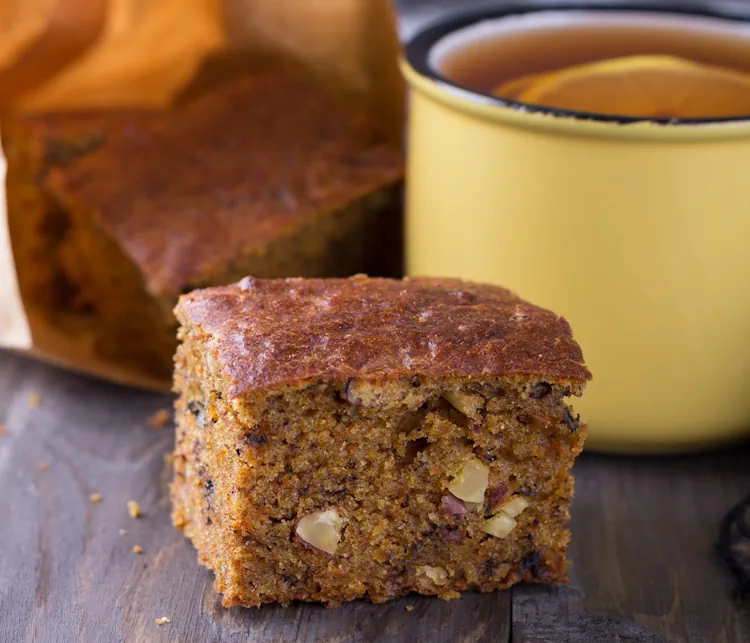
Welcome to a sweet treat that feels like a warm hug on a quiet afternoon without sending your blood sugar on a wild rollercoaster ride. This homemade diabetic cake recipe is all about bringing joy back to dessert time for anyone who watches their sugar, manages diabetes, cares about steady energy, or simply loves a moist and tender slice of cake made with honest ingredients. Instead of white flour, refined white sugar, and heavy artificial frostings, this cake uses finely ground almond flour, a touch of oat fiber or coconut flour for structure, natural monk fruit or erythritol sweetener, fresh blueberries for juicy bursts of real fruit flavor, and Greek yogurt plus eggs for richness and moisture. The result is a golden, tender crumb with warm hints of vanilla and cinnamon that tastes like a real bakery cake rather than a sad diet compromise. You do not need fancy pastry school skills or a pantry full of hard to find tools to bake it, because everything comes together in simple mixing bowls with everyday kitchen gear.
People love this homemade diabetic cake because it lets them sit at the table and share dessert with family and friends without feeling left out or guilty. For many folks living with type 1 or type 2 diabetes, or prediabetes, birthdays, holidays, Sunday dinners, and coffee breaks can stir up a mix of longing and worry. Watching everyone else cut into a big slice of cake while you reach for a plain piece of fruit or skip dessert altogether gets tiring fast. This cake changes that feeling completely by giving you a soft, satisfying slice that pairs wonderfully with a cup of hot tea, morning coffee, or a spoonful of whipped unsweetened cream. Even family members who do not count carbs or check blood sugar often ask for seconds because the almond and blueberry combo smells heavenly while baking and stays soft for days.
There are so many good moments and reasons to bake this cake, whether your goal is emotional comfort, pure taste, or steady fitness and energy. Emotionally, baking from scratch slows down a busy day and turns a stressful food rule into an act of care for yourself or someone you love. From a taste angle, sweet berries baked into nutty almond batter give you rich, cozy flavors with natural tartness that balances gentle sweetness so your palate never feels overwhelmed. From a fitness and blood sugar angle, choosing a lower glycemic, higher protein, and higher fiber cake helps you avoid the sharp spike and crash that regular sugary cakes often cause. That steady energy matters when you want to stay active, go for an evening walk, lift weights, or simply feel clear headed after eating something sweet.
Whether you are a brand new baker feeling a little nervous around the oven or an experienced home cook looking for a reliable low sugar staple, this guide walks you through every single detail in plain, friendly language. We will look closely at why each ingredient earns its spot in the bowl, how to measure and mix without making common beginner mistakes, and how to tweak flavors for seasons, cravings, and special occasions. Baking should feel welcoming, relaxed, and fun, never intimidating or full of confusing baking jargon. Grab a mixing bowl, put on your favorite playlist or podcast, and let us bake a cake that celebrates good food, good company, and mindful living all at once.
Ingredients You Will Need
Good baking starts before you turn on the oven by setting out every ingredient on your counter so nothing is forgotten mid mix. Below is the complete list of ingredients for an eight inch round cake pan or an eight inch square baking pan, which makes eight generous slices. If you use metric weights with a kitchen scale, those numbers are included too because weighing flour and berries gives extra consistency for beginners.
Dry Ingredients
-
2 cups (224 grams) blanched almond flour: Use fine, blanched almond flour made from peeled almonds rather than coarse almond meal so the cake crumb turns out soft and tender instead of gritty.
-
1/4 cup (28 grams) coconut flour: Just a small spoonful of coconut flour absorbs extra moisture from the eggs and berries and helps the cake hold together nicely without falling apart.
-
1/2 cup (96 grams) granulated monk fruit sweetener or erythritol blend: Choose a zero glycemic sweetener blend that measures cup for cup like sugar so you get clean sweetness without spiking blood sugar.
-
1 and 1/2 teaspoons (7 grams) baking powder: Aluminum free baking powder helps the batter rise gently so each slice feels light and springy rather than dense like a brick.
-
1/4 teaspoon (1.5 grams) fine sea salt: A tiny pinch of salt brightens the berry flavor and balances the sweetness so the cake tastes rich and round.
-
1/2 teaspoon (1.3 grams) ground cinnamon: Warm cinnamon adds cozy bakery aroma and pairs naturally with sweet blueberries and toasted almonds.
Wet Ingredients and Fruit
-
3 large eggs (about 150 grams out of shell): Bring them to room temperature for twenty to thirty minutes so they blend smoothly into the batter without curdling or clumping.
-
1/3 cup (80 milliliters) melted unsalted butter or light olive oil: Melted butter brings classic rich flavor, while mild olive oil or avocado oil keeps the crumb extra moist even straight from the fridge.
-
1/2 cup (120 grams) plain full fat Greek yogurt: Thick Greek yogurt adds creaminess, moisture, and a gentle tang that makes the cake feel tender and keeps you fuller longer.
-
2 teaspoons (10 milliliters) pure vanilla extract: Real vanilla extract rounds out every bite and gives that unmistakable homemade cake warmth.
-
1 teaspoon (5 milliliters) lemon juice or finely grated lemon zest: Bright citrus wakes up the blueberries and keeps the cake tasting fresh rather than heavy.
-
1 cup (140 grams) fresh or frozen blueberries: Fresh berries hold their shape well, and if using frozen ones, toss them with one teaspoon of the almond flour first so they do not sink straight to the bottom.
Optional Topping Ideas
-
2 tablespoons (15 grams) sliced almonds: Sprinkled on top before baking for a light crunchy finish and pretty bakery look.
-
1/2 cup (120 milliliters) heavy whipping cream plus 1 tablespoon monk fruit powdered sweetener: Whipped softly right before serving if you want an extra special dessert for guests or celebrations.
Step by Step Method
Take your time with each step below. Baking is much easier when you read through the whole method once before you start, keep your ingredients near your bowls, and watch visual cues like batter texture and color rather than rushing the clock.
-
Prep the oven and pan first. Move your oven rack to the middle position and preheat the oven to 350 degrees Fahrenheit (175 degrees Celsius). Grease an eight inch round or square cake pan with butter or oil, then line the bottom with a circle or square of parchment paper and lightly grease the paper too. Lining the bottom makes lifting or slicing the cake effortless later so your first piece comes out neat and clean.
-
Whisk the dry ingredients together. In a medium bowl, add the 2 cups of blanched almond flour, 1/4 cup of coconut flour, 1/2 cup of monk fruit or erythritol sweetener, 1 and 1/2 teaspoons of baking powder, 1/4 teaspoon of sea salt, and 1/2 teaspoon of ground cinnamon. Use a wire whisk or a fork to stir everything together for about thirty seconds until no lumps of coconut flour or baking powder remain and the color looks even.
-
Beat the eggs and wet ingredients. In a larger mixing bowl, crack in the 3 room temperature eggs. Whisk them vigorously for about thirty seconds until the yolks and whites blend into a pale, frothy liquid. Pour in the 1/3 cup of melted butter or oil, 1/2 cup of plain Greek yogurt, 2 teaspoons of pure vanilla extract, and 1 teaspoon of lemon juice or zest. Whisk again until smooth and creamy with no streaks of yogurt or oil sitting on top.
-
Combine wet and dry into a soft batter. Pour the dry ingredient mixture into the bowl with the wet ingredients. Switch from a whisk to a flexible silicone spatula or wooden spoon and stir gently from the bottom up until all the flour disappears. Almond and coconut flour batters thicken quickly as the fibers drink up liquid, so do not panic when the batter looks thicker than traditional wheat cake batter. Let the bowl sit on the counter for three minutes so the coconut flour finishes absorbing moisture.
-
Fold in the blueberries gently. Add 3/4 cup of the blueberries to the batter and fold them in carefully with two or three slow turns of your spatula. Saving the remaining 1/4 cup of berries to press onto the top right before baking looks lovely and keeps berries evenly spread through the cake. If you are using sliced almonds for topping, set those right beside the pan now.
-
Spread the batter and add the finishing touches. Spoon the thick batter into your prepared cake pan and use the back of your spatula or spoon to smooth it out into an even layer from edge to edge. Press the remaining 1/4 cup of blueberries lightly into the top surface, and scatter the 2 tablespoons of sliced almonds over top if using. Tap the pan gently on the counter twice to settle the batter evenly.
-
Bake until golden and set. Place the pan on the middle oven rack and bake for 30 to 38 minutes. Almond flour browns faster than white flour because of the natural almond oils, so keep an eye on the top during the last ten minutes. If the edges or top look quite brown before the center is done, lay a loose sheet of aluminum foil over the top without sealing it tight so it does not burn.
-
Check for doneness the right way. Because almond flour cakes stay moist inside, a toothpick test can sometimes look a little damp from a melted blueberry or rich crumb. Look for a golden brown top, edges that pull slightly away from the pan, a center that feels firm and springy when pressed lightly with your finger, and a toothpick inserted into a plain spot of cake (not inside a berry) coming out with just a couple of moist crumbs rather than wet batter.
-
Cool completely before slicing. Take the pan out of the oven and set it on a wire cooling rack or a folded kitchen towel on the counter. Let the cake cool in the pan for at least 20 minutes so the structure firms up as it cools. Run a thin butter knife or offset spatula around the edges, turn the cake out onto the cooling rack, peel off the parchment paper, and let it cool completely for another 30 to 40 minutes before cutting. Slicing a hot almond cake too soon can make it crumble because warm fats and almond crumbs need time to set.
-
Slice and store smartly. Once cool, transfer the cake to a serving plate and cut into 8 equal slices with a sharp knife, wiping the blade between cuts for neat edges. Store leftovers in an airtight container in the refrigerator for up to 5 days, or freeze individual slices wrapped in parchment and placed inside a freezer bag for up to 2 months.
Why This Recipe Is Special
Many sugar free or low carb baked goods try so hard to copy classic supermarket cakes that they end up dry, chalky, overly sweet with artificial aftertastes, or loaded with ultra processed gums and mystery fillers. This homemade diabetic cake takes a much simpler, more wholesome path built around real whole foods that work together naturally.
Health and Blood Sugar Points You Can Feel Good About
Traditional cakes rely heavily on refined white flour and table sugar, both of which digest fast and can push blood glucose up quickly, followed by a sluggish dip that leaves you tired or hungry again soon after dessert. In contrast, almond flour and coconut flour bring natural healthy fats, plant protein, and dietary fiber to every bite. Fiber and fat slow down digestion, which helps create a much gentler, steadier blood sugar response compared to conventional cake made with white flour and sugar.
Using a natural zero glycemic sweetener like monk fruit or erythritol gives you pleasant sweetness without adding table sugar or high fructose corn syrup. Plain Greek yogurt adds even more protein and creaminess without heavy processed glazes. For people managing diabetes, watching carb portions, or aiming for balanced meals and snacks, having a homemade option with predictable, lower net carbs makes everyday life feel much more flexible and sustainable.
Taste, Texture, and Everyday Joy
Healthier food only works long term if you actually look forward to eating it. Almond flour gives this cake a buttery, tender crumb with a gentle nutty warmth that feels comforting and grown up. Greek yogurt keeps the inside soft and moist so it never feels dry on your tongue, even a couple of days after baking.
Fresh or frozen blueberries bring bright pockets of juicy fruit flavor that cut through the richness so every forkful tastes lively and balanced. Instead of feeling like you are eating a “restricted” food, a slice of this cake feels like a thoughtful treat you made for yourself because you care about how you feel both in the moment and an hour later.
Extra Tips for Better Taste
Once you make this cake once or twice, you can easily play with small tweaks to match your mood, your pantry, and the seasons without losing the cake’s tender texture or blood sugar friendly balance.
-
Swap the fruit by season. Try finely chopped raspberries, blackberries, or diced strawberries instead of blueberries. If using juicy berries like strawberries, pat them dry with a paper towel first so they do not add too much extra water to the batter.
-
Play with warm spices. Add a pinch of ground nutmeg, cardamom, or pumpkin pie spice alongside the cinnamon for cozy autumn and winter vibes, or use extra lemon zest and a touch of almond extract in spring and summer for a bright bakery flavor.
-
Toast your almonds first. Lightly toasting sliced almonds in a dry skillet over medium low heat for three to four minutes until fragrant before sprinkling them on top deepens their nutty crunch and makes the whole kitchen smell amazing.
-
Make a quick sugar free berry compote. Simmer 1/2 cup of berries with 1 tablespoon of water, 1 to 2 teaspoons of monk fruit sweetener, and a squeeze of lemon juice in a small saucepan for five minutes until thick, cool it down, and spoon a little over each slice for special occasions.
-
Add a hint of cocoa for chocolate lovers. Replace 2 tablespoons of the blanched almond flour with 2 tablespoons of unsweetened natural cocoa powder and add 1 extra tablespoon of Greek yogurt or milk so the crumb stays moist while giving a mild chocolate twist.
-
Watch your oven temperature. Every oven runs a little hot or cool. If your bakes often brown fast on the outside before cooking through inside, drop the oven temperature by 15 to 25 degrees Fahrenheit (about 10 degrees Celsius) and bake a few extra minutes for even rising and gentle browning.
-
Keep sweet portions mindful. Even low sugar cakes made with almond flour and nuts are energy dense because almonds and oil carry healthy calories and fats. Enjoying one measured slice mindfully hits the sweet spot while keeping your daily goals on track.
Final Thoughts
Baking a homemade diabetic cake at home is really about proving that taking care of your health does not mean giving up the simple pleasures that bring warmth, celebration, and comfort to your table. Whether you bake this on a quiet Sunday afternoon with a mug of tea, bring it to a family gathering where everyone can share a slice, or keep a couple of chilled pieces in the fridge for busy weekday cravings, you now have a friendly, foolproof recipe you can come back to whenever dessert calls. Have fun in the kitchen, trust your senses as the cake bakes and cools, and enjoy every mindful bite with pride.
Nutrition Details
The table below gives estimated nutrition numbers for the whole recipe (8 servings total) and per single slice (1/8 of the cake), calculated using blanched almond flour, coconut flour, monk fruit sweetener, 3 large eggs, 1/3 cup unsalted butter or light olive oil, 1/2 cup plain full fat Greek yogurt, and 1 cup blueberries (excluding optional toppings). Exact numbers vary slightly depending on your specific sweetener brand, yogurt fat level, and berry size.
Disclaimer
Everyone’s body is different, and individual blood sugar responses, digestion, allergies, and nutritional needs can vary widely even when eating the same foods. Factors like your specific type of diabetes, current medications, activity level, portion size, stress, sleep, and exact ingredient brands can all change how your body responds to a slice of cake. This recipe and nutrition guide is for general informational and culinary purposes only and is not personal medical or nutritional advice. If you have diabetes, food allergies such as tree nut or egg allergies, or specific health goals, check your blood sugar as advised by your care team and talk with a doctor or registered dietitian before making major changes to your diet.