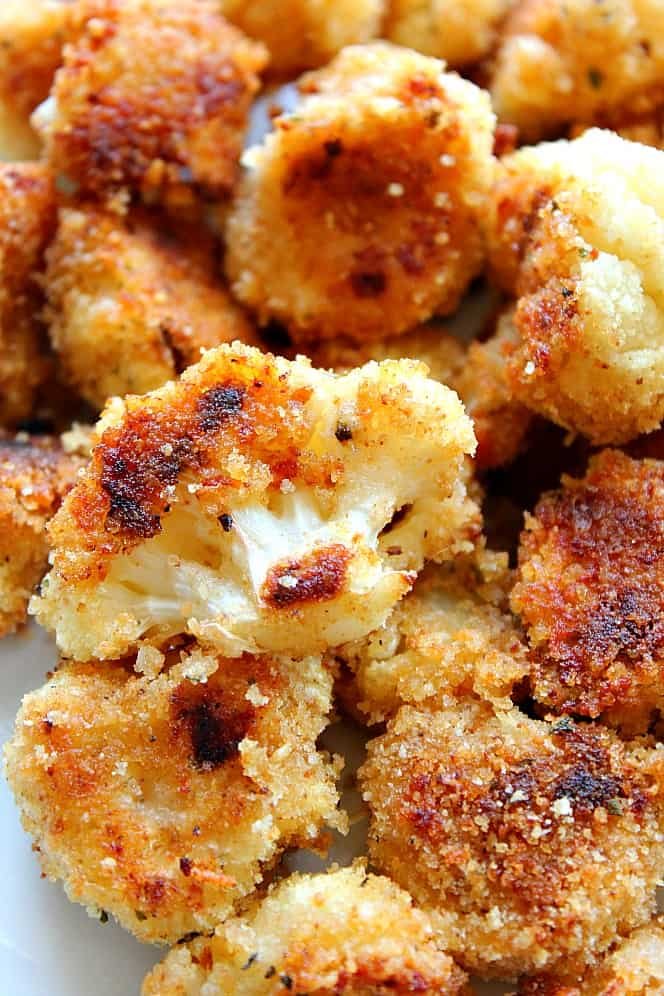
This article is all about making crispy roasted cauliflower in your own oven using simple kitchen tools and everyday pantry spices. At its heart, this recipe takes a humble white head of cauliflower, cuts it into bite sized florets, coats them in oil and warm seasoning, and bakes them until the edges turn deep golden brown and crunchy. Many home cooks think of cauliflower as a plain or even boring vegetable that gets mushy when boiled or steamed. High heat roasting completely changes that story by caramelizing the natural sugars inside the vegetable and drying out the surface moisture so every bite gets a wonderful crunch. Inside each crispy crown, the texture stays tender, juicy, and soft, giving you a contrast that feels deeply satisfying from the very first mouthful. Even if you never considered yourself a vegetable fan, this method can turn a simple grocery store head into the star of your dinner plate. It feels comforting like a snack yet wholesome enough to sit beside any main dish on a busy weeknight.
People love this crispy roasted cauliflower because it delivers big flavor with very little effort or fancy ingredients. You do not need to stand over a hot stove stirring a pot or watch a timer every minute while the oven does the heavy lifting for you. Once your florets are chopped, tossed with oil and spices, and spread out on a pan, you can set a timer, tidy the kitchen, help kids with homework, or just take a breather. When you pull that sheet pan out of the oven and hear the gentle sizzle of hot oil on browned edges, the smell alone brings everyone into the kitchen. Picky eaters often surprise their parents by reaching for seconds straight off the tray before dinner is even served. Because the flavor is warm, nutty, and savory rather than sharp or bitter, it pairs easily with grilled chicken, baked fish, rice bowls, pasta, tacos, or warm flatbread. It also works well for meal prep since leftover florets reheat nicely in an oven or air fryer without turning soggy.
There are so many reasons to make this recipe depending on your mood, your taste buds, or your health goals on any given day. Emotionally, roasting vegetables on a quiet evening can feel grounding and calming, especially when life feels rushed or noisy and you want real homemade food without stress. Taste wise, when you are craving something salty, crunchy, and deeply savory instead of a bag of chips or heavy takeout, roasted cauliflower hits that snack craving in a fresh and exciting way. From a fitness and wellness standpoint, it is a dream side dish for people who want big volume on their plate without a heavy calorie load or blood sugar spike. It fits smoothly into low carb, keto, vegetarian, vegan, and gluten free routines while keeping you full thanks to its natural fiber and water content. Whether you are cooking to comfort yourself after a long day, impress friends at a casual dinner, or stay on track with healthy habits, this recipe meets you right where you are.
Another reason this dish stays on repeat in home kitchens is how forgiving and adaptable it is for cooks at every skill level. Beginners do not need knife skills like a restaurant chef or expensive cookware to get great results on their first try. Using a standard metal baking sheet and a sharp chef knife is enough to turn a basic vegetable into something golden and delicious. Over time, you can treat this basic recipe as a blank canvas and adjust the spices to match whatever cuisine you are craving that week. One night you can keep it classic with garlic powder and smoked paprika, and another night you can add cumin, curry powder, or lemon zest for a fresh twist. Because it costs very little per serving and uses staple items most people already keep in their cupboards, it makes healthy home cooking feel joyful, doable, and rewarding every single time.
Ingredients You Will Need
Gathering your ingredients before you start makes cooking calm, smooth, and stress free. Here is everything you need for one generous baking pan that serves about four people as a side dish or two to three people as a hearty snack or light meal:
-
1 medium head of fresh cauliflower (about 1.5 pounds or 680 grams, look for a firm white or cream head with tight florets and crisp green leaves)
-
2 tablespoons olive oil (or avocado oil, which handles high oven heat cleanly and gives a rich, smooth coat)
-
3/4 teaspoon fine sea salt (or table salt, added in stages so the seasoning clings evenly to the florets)
-
1/2 teaspoon freshly ground black pepper (adds gentle warmth and mild spice without overpowering the vegetable)
-
1 teaspoon garlic powder (gives a cozy, savory roasted garlic flavor that burns less easily than fresh minced garlic at high heat)
-
1/2 teaspoon onion powder (adds sweet depth and rounds out the savory base)
-
1/2 teaspoon smoked paprika (optional, for a warm campfire aroma and rich reddish golden color)
-
1 tablespoon fresh lemon juice (optional, squeezed on right at the end to brighten the rich roasted flavors)
-
2 tablespoons fresh parsley (optional, finely chopped for a pop of fresh green color and clean herbal finish)
Step by Step Method
Follow these steps slowly and carefully. Even if this is your very first time roasting vegetables in the oven, every step is designed to be clear, simple, and easy to follow.
-
Preheat the oven and prep your pan. Turn your oven on to 425 degrees Fahrenheit (about 220 degrees Celsius) so it gets nice and hot before the cauliflower goes in. High heat is the secret to getting crispy browned edges before the inside gets overcooked. While the oven heats up, line a large metal baking sheet with parchment paper or aluminum foil if you want easy cleanup later, though a bare metal pan also works well. Avoid using a tiny pan where the pieces will sit on top of each other, because crowded cauliflower steams instead of roasting.
-
Wash and dry the cauliflower well. Remove any outer green leaves and trim the tough woody end of the main stem. Rinse the cauliflower under cool running water to wash away any dust or field grit. Shake off the extra water gently, then pat the entire head completely dry with a clean kitchen towel or paper towels. Water is the enemy of crispiness, so taking thirty seconds to dry the surface makes a real difference in how brown and crunchy your florets turn out.
-
Cut the cauliflower into even bite sized pieces. Place the cauliflower stem side down on a sturdy cutting board. Use a sharp knife to slice around the central core so the large florets fall away naturally. Cut any large chunks into smaller pieces that are roughly 1 to 1.5 inches wide, trying to keep them all about the same size. When the pieces are similar in size, they finish cooking at the same time so tiny bits do not burn while big pieces stay raw. You can also slice the tender inner core into small bite sized cubes so nothing goes to waste.
-
Season and coat every floret evenly. Put all your dry cauliflower pieces into a large mixing bowl. Drizzle the 2 tablespoons of olive oil over the top, then sprinkle on the salt, black pepper, garlic powder, onion powder, and smoked paprika. Use your clean hands or a large spoon to toss everything together thoroughly for about one minute. Make sure every piece has a thin, shiny coat of oil and spice dust without swimming in puddles of oil.
-
Spread the florets in a single layer. Tip the seasoned cauliflower onto your prepared baking sheet. Use your hands or a spatula to spread the pieces out so each floret has a little breathing room around it. Try not to let pieces pile on top of one another, because trapped steam makes the outside soft instead of crispy. Flat side or cut side down helps more surface area touch the hot pan and brown nicely.
-
Roast until golden and tender. Slide the baking sheet onto the middle rack of the hot oven and set a timer for 20 minutes. Do not open the oven door every two minutes, as letting heat escape slows down the browning process. When the timer goes off, pull the pan out carefully using oven mitts and use a spatula or tongs to flip and toss the pieces so the undersides can brown too.
-
Finish to peak crispiness. Return the pan to the oven and roast for another 10 to 15 minutes, checking near the end so the edges get deeply golden and lightly charred in spots rather than burnt black. Total cooking time usually lands between 30 and 35 minutes depending on your oven and how big you cut the pieces. A fork should slide easily into the center of a floret while the outer edges feel crisp and firm.
-
Brighten, toss, and serve hot. Take the pan out of the oven and let it sit for two or three minutes so you do not burn your tongue. Drizzle the 1 tablespoon of fresh lemon juice over the hot cauliflower and scatter the chopped parsley on top if using. Give it one quick toss right on the pan or transfer it to a warm serving bowl, then serve right away while the crunch is at its best.
Why This Recipe Is Special
What makes this crispy roasted cauliflower stand out from ordinary vegetable side dishes is the way it turns everyday ingredients into something lively, filling, and deeply flavorful. Cauliflower naturally carries mild earthy sweetness and subtle peppery notes, yet when cooked gently in water it can taste flat or watery. High dry oven heat triggers browning reactions on the surface of the vegetable, creating complex nutty and savory flavors that taste much richer than the calorie count suggests. The outside turns crisp and lightly browned while the inside stays tender and moist, giving you that satisfying bite people usually look for in fried or baked snacks.
From a nutrition and health standpoint, cauliflower belongs to the cruciferous vegetable family, alongside broccoli, kale, and Brussels sprouts. It is naturally low in calories and carbohydrates while providing helpful dietary fiber, vitamin C, vitamin K, and plant compounds that support everyday wellness. Because cauliflower is mostly water and fiber, a generous serving takes up real space on your plate and helps you feel satisfied without feeling weighed down or sluggish afterward. For anyone focusing on weight management, balanced blood sugar, lighter evening meals, or eating more whole plant foods, roasted cauliflower makes healthy eating feel like a treat rather than a chore.
Another special quality of this recipe is how effortlessly it bridges different eating styles and family preferences. It is naturally vegan, vegetarian, gluten free, dairy free, and grain free as written, so you can serve it at a mixed table and almost everyone can enjoy it without needing a separate dish. Even people who claim they do not like vegetables often change their minds when they taste crispy, garlicky roasted florets warm from the oven. It feels simple enough for a regular Tuesday night yet attractive and flavorful enough to bring to a casual potluck or weekend family meal.
Extra Tips for Better Taste
Once you master the basic method, small tweaks can take your roasted cauliflower from great to unforgettable:
-
Add a nutty cheese finish. During the last 4 or 5 minutes of baking, sprinkle 1/3 cup of grated parmesan cheese or nutritional yeast over the hot florets. The cheese melts into savory lacy bits that boost umami flavor and extra crunch.
-
Try a bold spice swap. Swap the garlic and smoked paprika for 1 teaspoon of ground cumin and 1/2 teaspoon of curry powder for warm earthy notes, or use chili powder and a pinch of cayenne if you enjoy gentle heat.
-
Toast nuts or seeds on the side. Toss 2 tablespoons of sliced almonds, pumpkin seeds, or sunflower seeds onto the pan during the final 4 minutes of roasting for extra crunch and a buttery finish.
-
Make a creamy dipping sauce. Serve the hot florets alongside plain Greek yogurt mixed with lemon juice and herbs, or tahini thinned with warm water and garlic, to turn the dish into a fun finger food.
-
Do not crowd the pan. If your cauliflower pile looks cramped, split it across two baking sheets rather than stacking pieces two layers deep. Extra space equals extra crispiness.
-
Finish with fresh acid or herbs. A squeeze of fresh lemon, a splash of balsamic glaze, or a handful of fresh dill, cilantro, or chives right before serving wakes up the heavy roasted notes and makes every bite taste fresher.
Final Thoughts
Cooking good food at home does not have to be complicated, expensive, or time consuming to make you feel proud and cared for. With just one head of cauliflower, a splash of oil, a few simple spices, and a hot oven, you can turn an ordinary vegetable into something crisp, golden, savory, and genuinely exciting to eat. Whether you make this on a busy weeknight to round out dinner, roast a big tray for easy lunches, or share a warm bowl with people you love, I hope this recipe brings plenty of crunch, comfort, and confidence into your kitchen. Keep experimenting with flavors you enjoy, trust your taste buds, and have fun making it your own.
Nutrition Details
Nutrition values below are estimated using standard USDA food data for the full recipe (4 servings as a side dish, about 1 cup of roasted florets per serving, excluding optional toppings). Actual numbers vary depending on exact vegetable weight, oil absorption, and any extra toppings you add.
| Nutrient | Full Recipe (4 Servings) | Per Serving (1/4 Recipe) | Other Common Comparisons (1 Cup) |
| Calories | About 420 kcal | About 105 kcal | Raw cauliflower florets: ~27 kcal; Boiled cauliflower: ~28 kcal |
| Total Fat | About 28.5 g | About 7.1 g | Raw cauliflower florets: ~0.3 g; Boiled cauliflower: ~0.6 g |
| Saturated Fat | About 4.0 g | About 1.0 g | Raw cauliflower florets: ~0.1 g; Boiled cauliflower: ~0.1 g |
| Total Carbohydrates | About 34.0 g | About 8.5 g | Raw cauliflower florets: ~5.3 g; Boiled cauliflower: ~5.1 g |
| Dietary Fiber | About 13.5 g | About 3.4 g | Raw cauliflower florets: ~2.1 g; Boiled cauliflower: ~2.9 g |
| Total Sugars | About 13.0 g | About 3.3 g | Raw cauliflower florets: ~2.0 g; Boiled cauliflower: ~2.6 g |
| Protein | About 13.0 g | About 3.3 g | Raw cauliflower florets: ~2.1 g; Boiled cauliflower: ~2.3 g |
| Sodium | About 1,920 mg | About 480 mg | Raw cauliflower florets (unsalted): ~32 mg; Boiled (unsalted): ~19 mg |
Disclaimer
This article is shared for general cooking information and everyday culinary enjoyment only, not as medical or professional nutrition advice. Every person’s body, metabolism, digestion, health history, and dietary needs are different, so how a food fits into your routine and the results you experience may vary from someone else’s. If you have food allergies, sensitivities, high blood pressure, kidney concerns, diabetes, or specific medical or nutrition goals, please check with a qualified doctor or registered dietitian before making major changes to your diet.