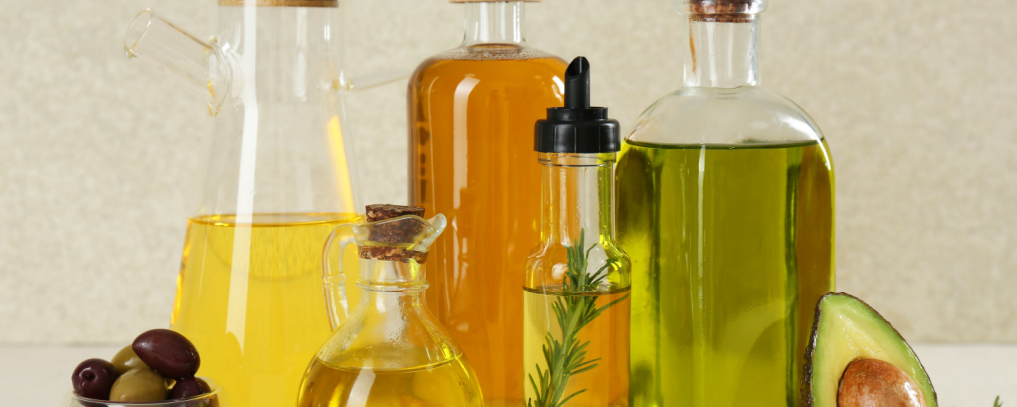
Welcome to my kitchen corner where everyday cooking feels warm, comforting, and genuinely helpful for your body. Today we are diving into an anti inflammatory homemade miracle oil that brings together golden kitchen roots, savory aromatics, and rich cold pressed oil in one bright jar. In simple terms, this recipe is an infused culinary oil made by gently warming whole ingredients like fresh turmeric root, fresh ginger root, garlic cloves, whole black peppercorns, fresh rosemary sprigs, and extra virgin olive oil so their natural flavors and plant compounds move into the liquid. You do not need fancy chef training or rare store shelves to make it happen on your own stove. A small pot, a clean glass bottle, a fine strainer, and a little patience are all you need to turn basic pantry staples into a golden staple you can drizzle over roasted vegetables, grain bowls, warm soups, or everyday salads.
People fall in love with an anti inflammatory homemade miracle oil because it solves two big kitchen problems at once without making life complicated. First, it tastes wonderful with an earthy warmth from turmeric, a gentle zing from ginger, a cozy savory note from garlic, and a lively kick from black pepper. Second, it makes healthy eating feel easy on busy days when opening a bottle feels much faster than chopping five separate ingredients from scratch. Many home cooks also love the calm feeling of making something clean and wholesome with their own hands instead of buying mystery bottles off a crowded shelf. When a single spoonful can wake up plain steamed broccoli, soften dry roasted chickpeas, or add richness to morning avocado toast, it quickly earns a permanent spot right next to the stove.
Knowing when and why to make this oil can turn a simple recipe into a meaningful weekly habit for your mood, your taste buds, and your active routine. Emotionally, there is something deeply grounding about slow kitchen rituals when life feels noisy, stressful, or rushed, and the warm scent of ginger and garlic filling your home can feel like a small hug in a mug or a bowl. Taste wise, you will want a batch ready whenever plain meals start feeling boring, tired, or repetitive and you crave bright, savory depth in seconds. Fitness wise, many active people whip up a jar after busy workout weeks, long walks, gardening sessions, or heavy desk days when their joints and muscles feel stiff and they want nourishing, real food ingredients in their daily meals.
Creating this golden oil at home also fits naturally into modern wellness habits where people look for whole foods, gentle routines, and budget smart kitchen wins. Instead of tossing leftover bits of fresh ginger or garlic into the back of the crisper drawer where they dry out or sprout, turning fresh ingredients into an infused oil lets you enjoy their warmth across many meals. Beginners especially appreciate how forgiving the process is because you are watching gentle bubbles, smelling the spices bloom, and seeing the color shift from pale green or gold into a rich sunny amber. Whether you are cooking for one quiet dinner, packing lunch boxes for family members, or building a calmer evening wind down routine, this homemade oil gives you a tasty, practical tool you can reach for again and again.
Ingredients You Will Need
Gather these exact ingredients before turning on your burner so every step stays smooth, relaxed, and easy to follow. Using fresh roots and whole spices gives you the cleanest aroma and brightest color in your finished oil.
-
Extra virgin olive oil: 2 cups (480 ml), cold pressed for a smooth, fruity base
-
Fresh turmeric root: 4 tablespoons (about 60 grams), peeled and finely grated or thinly sliced
-
Fresh ginger root: 3 tablespoons (about 45 grams), peeled and finely grated or thinly sliced
-
Garlic cloves: 6 medium cloves (about 30 grams), peeled and lightly crushed with the flat side of a knife
-
Whole black peppercorns: 1 teaspoon (about 2.5 grams), lightly cracked in a mortar or with a heavy cup
-
Fresh rosemary sprigs: 2 sprigs (about 4 grams), rinsed and patted completely dry
-
Fine sea salt: 1/2 teaspoon (about 3 grams), optional if you want light seasoning right in the oil
Before you start, double check that your fresh rosemary and garlic have zero water droplets clinging to them. Water inside a stored oil infusion can shorten shelf life or cause unwanted cloudiness, so drying your herbs thoroughly with a clean kitchen towel is a tiny detail that pays off nicely. If you love extra bright citrus notes, you can also keep a clean lemon wedge handy for serving time, though adding fresh lemon juice directly into the storage jar is best skipped so the oil stays fresh and clear.
Step by Step Method
Follow these steps slowly and carefully on low heat. Gentle warmth extracts flavor and plant goodness without scorching delicate garlic or bittering the oil.
-
Prep your workspace and tools: Set out a small heavy bottom saucepan, a heatproof bowl, a fine mesh strainer lined with clean cheesecloth or a coffee filter, and a dry glass bottle or jar with a tight lid. Having your tools ready first keeps you calm once the stove is warm.
-
Wash and dry the produce: Rinse the fresh turmeric root, fresh ginger root, garlic cloves, and rosemary sprigs under cool running water. Pat everything completely dry with paper towels or a clean dish towel so no moisture remains.
-
Peel and chop the roots and garlic: Use the side of a small spoon to scrape thin skin off the turmeric and ginger roots, then grate them finely or slice them into thin coins. Peel the six garlic cloves and press each one gently with the flat side of your knife so its natural juices can release into the oil.
-
Lightly crack the peppercorns: Place 1 teaspoon of whole black peppercorns on a sturdy cutting board and press them gently with the bottom of a heavy mug or a rolling pin. Cracked peppercorns release their peppery aroma much better than whole ones while still straining out cleanly later.
-
Combine oil and aromatics in the saucepan: Pour 2 cups of extra virgin olive oil into the cool saucepan first, then add the grated turmeric, grated ginger, crushed garlic, cracked peppercorns, fresh rosemary, and optional sea salt. Stir gently with a wooden spoon or silicone spatula so everything is coated.
-
Warm slowly over very low heat: Turn your stove burner to the lowest possible setting. Watch the oil carefully for 12 to 15 minutes until tiny, lazy bubbles float gently around the ginger and garlic. Never let the oil boil, smoke, or turn dark brown, because high heat can make garlic bitter and harm delicate compounds.
-
Swirl and watch for aroma: Every two or three minutes, give the pan a gentle stir or swirl. You will notice the oil warming up, the kitchen filling with earthy ginger and savory garlic scents, and the color shifting into a warm golden hue.
-
Remove from heat and steep: Once the herbs and roots have gently simmered for about 15 minutes without browning, slide the pan off the hot burner. Let the mixture sit undisturbed for another 20 minutes so the warmth finishes pulling flavor out of the spices.
-
Strain into a clean bowl: Place your fine mesh strainer over a glass measuring cup or mixing bowl. Slowly pour the warm oil and solids through the strainer, letting gravity do most of the work. Press the solids very lightly with the back of a spoon if you want a little extra oil, without squeezing so hard that cloudy sediment pushes through.
-
Bottle and label your oil: Pour the strained golden oil into your clean, dry glass jar or bottle using a small funnel if you have one. Seal the lid tightly, write the date on a piece of tape or a label, and store it in a cool, dark pantry or cabinet away from direct sunlight and stove heat.
If you are making this oil for the very first time, stay right near the stove during the warming stage so you get a feel for how low your burner really runs. Every stove is a little different, and a gentle whisper of tiny bubbles is always better than aggressive bubbling. Once cooled, give the bottle a gentle shake before each use because natural plant pigments and spices can settle slightly at the bottom over time.
Why This Recipe Is Special
This anti inflammatory homemade miracle oil stands out because every ingredient plays a clear, purposeful role in both flavor and everyday wellness. Instead of relying on artificial flavorings or heavy bottled dressings full of added sugars and gums, you get a pure plant infusion crafted from familiar whole foods. Golden turmeric root brings warm, earthy depth and naturally occurring curcuminoids, while fresh ginger adds bright warmth and gingerols that make savory dishes taste lively and fresh.
Another reason home cooks love this blend is how smartly the ingredients pair together in real meals. Curcumin from turmeric is fat soluble, meaning it mixes naturally with fats like olive oil rather than sitting in plain water, and whole black pepper contains piperine, a natural compound often paired with turmeric in culinary traditions. Garlic and rosemary round out the flavor profile with savory comfort and herbal freshness, turning plain everyday foods into meals you actually look forward to eating.
From a practical kitchen standpoint, this recipe also helps you eat more vegetables and whole grains without feeling like you are eating diet food. Drizzling a spoonful of warm golden oil over roasted cauliflower, baked sweet potatoes, brown rice bowls, lentil soup, or grilled chicken makes healthy plates taste rich, balanced, and satisfying. When food tastes this comforting, sticking to wholesome habits at home feels natural instead of like a chore.
Extra Tips for Better Taste
Once you master the basic recipe, you can play with small kitchen tweaks to match your favorite meals and personal palate. Try these beginner friendly ideas on your next batch or right at the dinner table:
-
Add a squeeze of fresh lemon at serving: Stir a few drops of fresh lemon juice into your bowl or plate right before eating rather than inside the storage jar. The bright acidity lifts the earthy turmeric and makes heavy grains or greens taste lighter.
-
Pair with warm grain and bean bowls: Spoon a tablespoon over warm quinoa, farro, chickpeas, or white beans just before serving. The gentle heat softens dry textures and coats every bite evenly.
-
Make a quick savory drizzle for eggs: Warm a teaspoon in a small skillet or drizzle it over soft scrambled or fried eggs with a pinch of chopped parsley. It turns a two minute breakfast into something café worthy.
-
Tweak the spice warmth gently: If you love extra ginger zing, bump fresh ginger up by half a tablespoon, or keep it mild if you prefer a softer, sweeter root balance. Always keep heat low so spices never scorch.
-
Watch out for bright turmeric stains: Fresh turmeric root can tint wooden spoons, light countertops, fingernails, and dish towels a bright yellow orange. Rinse utensils right away or use a silicone spatula and dark cloth to save extra scrubbing later.
-
Keep storage cool and dry: Store your sealed bottle in a dark cupboard rather than right next to a hot oven vent, and always use a dry spoon when scooping or pouring so moisture stays out.
Final Thoughts
Making your own anti inflammatory homemade miracle oil is one of those small kitchen wins that makes cooking at home feel joyful, calm, and rewarding again. You do not need complicated techniques or expensive specialty items to create something golden, aromatic, and useful for your everyday table. Start with one small batch, notice how wonderful your kitchen smells while it warms, and have fun drizzling that sunny goodness over simple meals all week long. If you try a twist with extra herbs or your favorite roasted veggies, enjoy the process and make the recipe truly yours.
Nutrition Details
Nutrition values below are estimated using standard USDA reference values for the whole recipe (2 cups / 480 ml of extra virgin olive oil plus the listed aromatics, assuming most solid spice pieces are strained out and trace soluble compounds remain in the oil). Actual numbers can vary depending on exact root size, oil brand, and how much liquid stays behind in the strainer.
Disclaimer
This article is for general culinary and informational purposes only and is not medical advice, diagnosis, or treatment. Everyone’s body is different, and individual health needs, allergies, sensitivities, medications, and results may change from person to person. If you have food allergies, gallbladder or digestive concerns, take prescription medications, are pregnant or nursing, or have specific health questions, talk with a qualified healthcare professional before making dietary changes.