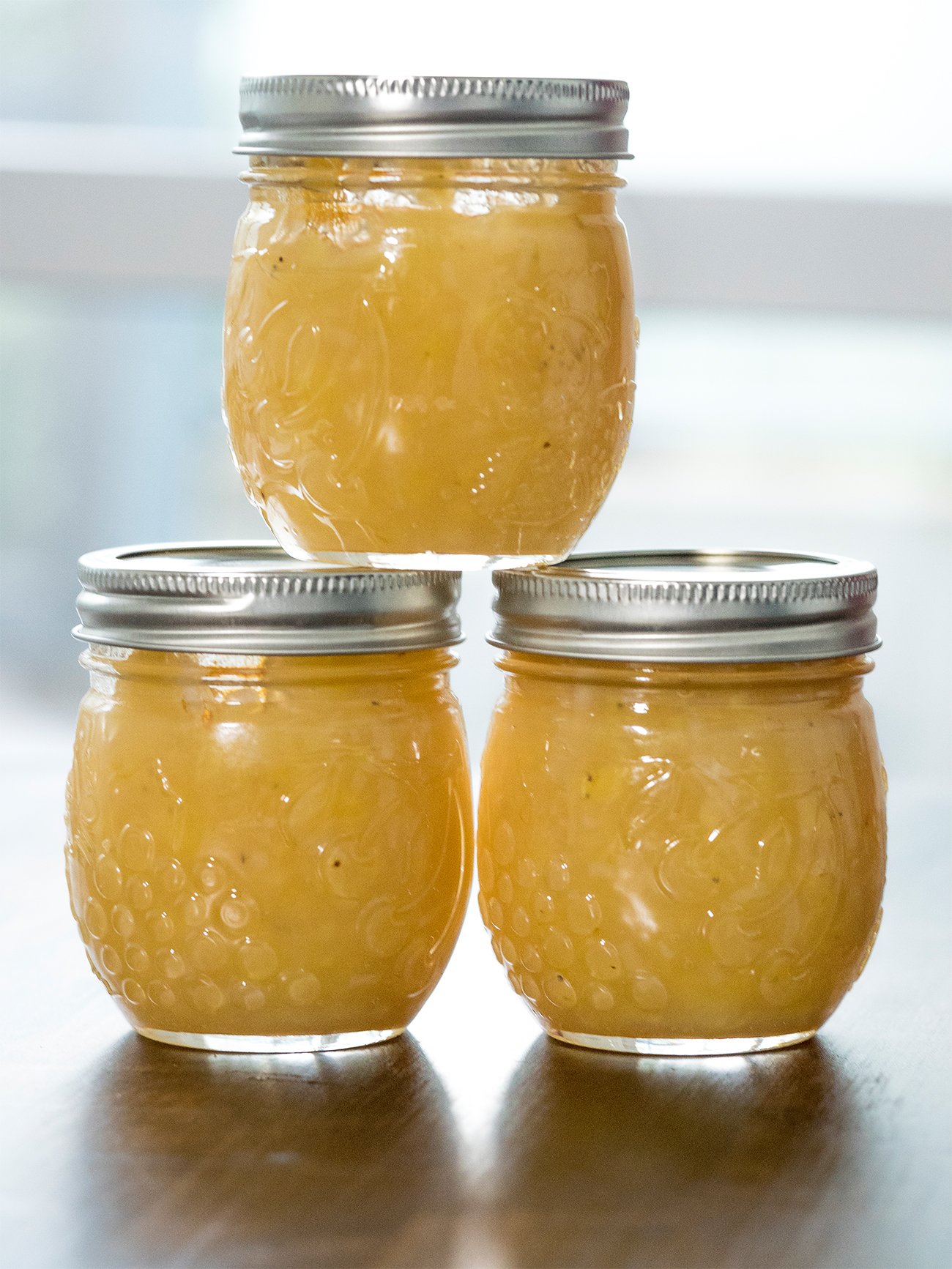
If you have ever walked past a row of glowing golden jars at a local country fair or farmers market and wondered what magic is tucked inside, chances are you have stumbled upon the unforgettable treat known as monkey butter. This recipe is a complete, beginner friendly guide on how to make and safely preserve homemade canning monkey butter right in your own kitchen without feeling overwhelmed by complicated preserving rules. Despite its playful and silly name, there are obviously no monkeys involved in the making of this delicious fruit spread, which actually gets its name from the ripe bananas that form its creamy, rich base. Monkey butter is a dreamy, tropical fruit jam that blends sweet mashed bananas, tangy crushed pineapple, shredded coconut, bright fresh lemon juice, and pure cane sugar into a thick, velvety spread that tastes like sunshine in a jar. Unlike traditional berry jams that rely heavily on store bought pectin to gel properly, this recipe uses the natural starches in bananas and slow gentle simmering to create a luscious, spreadable texture. In this detailed post, we will walk through every single stage of preparing the fruit, cooking the mixture to the exact right thickness, sterilizing your glass canning jars, and sealing them safely in a boiling water bath. Even if you have never canned a single jar of food in your entire life, you will find every instruction broken down into clear, plain language that makes the process stress free and fun. By the time your jars cool down and give that satisfying little popping sound on your kitchen counter, you will have shelf stable jars of tropical perfection ready to enjoy all year long.
People of all ages fall head over heels for homemade monkey butter the very first time they spread a spoonful onto a warm piece of toast or a freshly baked biscuit. The flavor profile is truly unique because it balances the deep, caramel sweetness of ripe bananas with the bright, juicy acidity of pineapple and the subtle, nutty chew of sweet coconut. Most grocery store jams taste like little more than sweet sugar with a hint of fruit, whereas homemade monkey butter delivers a layered, vibrant tropical flavor that wakes up your taste buds immediately. Another huge reason home cooks adore this recipe is how wonderfully versatile it is across so many different meals, snacks, and desserts throughout the day. You can swirl a big spoonful into your morning bowl of warm oatmeal or creamy Greek yogurt, layer it between fluffy buttermilk pancakes, or use it as a decadent filling inside homemade crepes and cupcakes. Kids especially go crazy for its creamy texture and familiar banana flavor, making it a huge hit in school lunchboxes paired with classic peanut butter or cream cheese on soft sandwich bread. Furthermore, because it looks so pretty with its warm golden color and tiny flecks of tropical fruit, jars of monkey butter have become one of the most requested homemade gifts for holidays, housewarmings, and teacher appreciation days. Once your family and friends taste a single jar, do not be surprised when they start saving their empty glass jars and begging you to make another batch.
There are so many wonderful reasons to spend an afternoon making a batch of homemade canning monkey butter, ranging from reducing kitchen waste to creating moments of pure comfort and joy. On a practical level, this recipe is the ultimate solution for those bunches of spotted, overly ripe bananas sitting on your kitchen counter that nobody wants to eat plain anymore. Instead of tossing those sweet, fragrant bananas into the trash or freezing them indefinitely, you can transform them into gleaming jars of pantry gold that stay fresh for up to a full year. From an emotional and nostalgic perspective, the process of home canning connects you to a slower, more mindful way of living where you take simple raw ingredients and preserve the harvest with your own hands. Standing over a simmering pot while the sweet aroma of warm bananas, toasted coconut, and citrus fills your entire house is deeply comforting on a chilly, rainy afternoon. For fitness lovers and active families, having a jar of real fruit spread in the pantry provides a clean, fast source of natural carbohydrates and potassium to fuel a morning run or satisfy a sweet craving after dinner without reaching for heavily processed candy. You get complete control over the quality of every ingredient going into the pot, avoiding artificial food dyes, high fructose corn syrup, and strange chemical thickeners found in commercial spreads. Making your own preserves brings a wonderful sense of pride and self reliance every time you open your pantry door and see neat rows of jewel toned jars waiting for breakfast.
When you decide to try this canning recipe, you are setting yourself up for one of the easiest and most rewarding kitchen projects a beginner can possibly choose. Many people feel nervous when they first hear the words home canning because they worry about complicated pressure cookers or tricky scientific formulas, yet high acid fruit spreads like monkey butter only require a simple boiling water bath. You do not need expensive, specialized equipment to get started, because a large deep stockpot with a lid and a set of standard glass mason jars will do the job beautifully. Whether you are planning ahead for holiday gift baskets, stocking your pantry for busy school mornings, or simply looking for a fun weekend baking and cooking project with your kids, this recipe fits right into your life. The active preparation takes very little time, leaving you plenty of freedom to enjoy a cup of coffee, listen to your favorite music, and watch the fruit slowly transform into a glossy, thick butter. Every jar you seal locks in the bright, cheerful flavors of summer so you can open a taste of the tropics even in the middle of a cold winter morning. Once you experience the joy of spreading warm, homemade banana pineapple butter onto a crispy English muffin, you will wonder why you ever bought ordinary jam at the supermarket.
Ingredients You Will Need
Gathering and measuring all of your ingredients before you turn on the stove makes the canning process smooth, organized, and completely stress free. Make sure your bananas are very ripe with plenty of brown spots on the peel, as ripe bananas bring the strongest natural sweetness and creamiest texture.
-
Ripe Bananas: 4 cups, peeled and mashed smooth (this takes about 8 to 10 medium ripe bananas).
-
Crushed Pineapple: 1 large can (20 ounces), undrained with all of its natural juice included.
-
Granulated White Sugar: 3 cups (about 600 grams). Sugar not only sweetens the spread, it also acts as a natural preservative and helps the fruit butter thicken safely for canning.
-
Sweetened Shredded Coconut: 1 cup (about 85 grams). You can use unsweetened shredded coconut if you prefer a slightly less sweet finish.
-
Fresh Lemon Juice: 1/2 cup (about 120 milliliters, squeezed from roughly 3 large fresh lemons). Do not skip this ingredient, as lemon juice provides the exact acidity needed to make water bath canning completely safe.
-
Pure Vanilla Extract: 1 teaspoon, added near the end of cooking for a warm, bakery style aroma.
-
Unsalted Butter (Optional): 1 tablespoon, added during cooking to reduce foaming on top of the simmering fruit.
-
Canning Supplies: 5 to 6 half pint (8 ounce) glass mason jars with clean, unused two piece metal lids and screw bands.
Step by Step Method
Follow each step carefully in order so your monkey butter turns out thick, flavorful, and safely sealed for long term pantry storage. Take your time and keep your workspace clean and tidy as you go.
Step 1: Prepare Your Jars and Water Bath Canner
Before you start cooking the fruit, wash your glass mason jars, lids, and screw bands thoroughly in hot, soapy water and rinse them well. Place a folded clean dish towel or a metal canning rack at the bottom of a very large, deep stockpot so the glass jars will not touch the direct heat of the bottom burner. Set your clean jars upright inside the pot, fill the pot and jars with enough warm water to cover the jars by at least 1 inch, and place the pot over medium high heat. Bring the water to a gentle simmer so your jars stay hot and sterilized until you are ready to fill them, which prevents the glass from cracking when hot fruit goes inside.
Step 2: Mash the Bananas and Combine the Fruit
Peel your ripe bananas and place them into a large mixing bowl, then use a potato masher or a sturdy fork to mash them until they are smooth with only tiny, pleasant bits remaining. Grab a large, heavy bottomed stainless steel Dutch oven or wide saucepan so the mixture has plenty of surface area to bubble without splashing over the sides. Pour the 4 cups of mashed bananas into the pot along with the entire 20 ounce can of crushed pineapple including all of the pineapple juice. Add the 3 cups of granulated white sugar, 1 cup of shredded coconut, and 1/2 cup of fresh lemon juice into the pot, and stir everything together thoroughly with a wooden spoon until the sugar starts to dissolve.
Step 3: Simmer and Thicken the Monkey Butter
Place the large pot over medium heat and bring the fruit mixture up to a gentle boil, stirring constantly so the sugar on the bottom does not scorch or stick. Once the mixture reaches a steady boil, reduce the heat to medium low so it maintains a gentle, steady simmer. If you notice a lot of foamy bubbles rising to the surface, stir in the optional 1 tablespoon of unsalted butter, which helps clear the foam right away. Continue cooking the monkey butter uncovered for about 25 to 35 minutes, stirring frequently with a heatproof spatula or wooden spoon, making sure to scrape the bottom and corners of the pot. You will know the butter is ready when it turns a rich golden amber color, thickens nicely, and coats the back of a cold metal spoon without running off quickly.
Step 4: Stir in the Vanilla and Test the Thickness
Remove the pot from the heat source once the monkey butter reaches a thick, jam like consistency, remembering that it will thicken even more as it cools down inside the jars. Stir in the 1 teaspoon of pure vanilla extract until it is completely blended into the warm fruit mixture. To test if the thickness is right, place a small spoonful onto a chilled plate that has been sitting in your freezer for a few minutes and let it rest for 60 seconds. Run your finger gently through the center of the spread; if the path stays clear and the edges do not rush back together, your monkey butter has reached the ideal consistency for canning.
Step 5: Fill the Hot Jars and Remove Air Bubbles
Carefully lift one hot jar at a time out of your simmering water pot using a jar lifter or sturdy tongs, pouring the hot water from inside the jar back into the pot. Place the hot empty jar onto a folded kitchen towel on your counter to protect your countertop from sudden temperature changes. Using a wide mouth canning funnel and a ladle, scoop the hot monkey butter into the jar, leaving 1/4 inch of empty space at the very top rim, which is known as headspace. Slide a clean plastic butter knife or non metallic spatula down the inside edges of the jar to release any trapped air bubbles, then wipe the top glass rim completely clean with a damp paper towel so nothing blocks the seal.
Step 6: Seal and Process in the Boiling Water Bath
Center a clean metal canning lid flat onto the wiped rim of the jar, then twist a metal screw band onto the jar until it is fingertip tight, meaning snug but never forced tightly with all your strength. Repeat the filling and lidding process with your remaining jars until all of the hot monkey butter is packed neatly. Use your jar lifter to carefully lower the filled jars back down onto the rack inside your pot of simmering water, making sure the water covers the tops of the jars by at least 1 to 2 inches. Put the lid on the stockpot, turn the heat up to high, and bring the water to a full, rolling boil before starting your timer for 15 minutes.
Step 7: Cool Completely and Check the Seals
When the 15 minute processing timer goes off, turn off the stove burner, remove the pot lid carefully away from your face to avoid steam, and let the jars rest in the hot water for 5 minutes. Lift the jars straight up out of the pot using your jar lifter and set them undisturbed on a thick towel on your counter with a couple inches of space between each jar. Leave the jars alone to cool completely for 12 to 24 hours; during this time, you will hear cheerful little popping sounds as the metal lids pull downward to form an airtight vacuum seal. Once completely cool, press the center of each lid with your finger; if the lid stays firm and does not flex up and down, your jars are safely sealed for pantry storage.
Why This Recipe Is Special
There are countless jam and jelly recipes available, yet homemade canning monkey butter holds a very special place in the hearts of home preservers everywhere. It combines old fashioned pantry wisdom with bright, vacation inspired flavors that brighten up even the simplest everyday breakfast.
-
No Store Bought Pectin Needed: Many beginner canners get frustrated when traditional fruit jellies fail to set properly because of tricky commercial pectin rules. Bananas naturally contain plenty of starch and fiber that thicken smoothly when simmered with sugar and pineapple, giving you foolproof results every single time.
-
Incredible Tropical Flavor Combination: The blend of sweet banana, tangy pineapple, rich coconut, and bright lemon tastes like a tropical smoothie transformed into a velvety spread. It feels fresh, exciting, and far more interesting than standard grape or strawberry jam.
-
Rich in Natural Potassium and Vitamins: Because real whole bananas and crushed pineapple make up the bulk of this spread, every spoonful carries natural potassium, vitamin C, and dietary fiber from real fruit rather than artificial flavorings.
-
Amazing Zero Waste Kitchen Solution: Overripe brown spotted bananas are actually the secret ingredient that makes this recipe taste its absolute sweetest. Instead of throwing away spotted bananas, you turn them into valuable shelf stable jars that save money on groceries.
-
Safe and Easy Water Bath Canning: Thanks to the natural acidity of pineapple combined with fresh lemon juice, this recipe has a safe pH level for simple boiling water bath canning. Beginners can master safe food preservation without needing heavy pressure canning equipment.
-
Long Pantry Shelf Life: Properly sealed jars of monkey butter stay fresh in a cool, dark pantry or cupboard for up to 12 months, giving you instant homemade goodness whenever guests drop by or sweet cravings strike.
Extra Tips for Better Taste
Once you make your first classic batch of monkey butter, you can easily customize the flavors to suit your personal taste buds or match the changing seasons. Here are several creative ways to make your next batch even more delicious.
-
Toast the Shredded Coconut First: Before adding the shredded coconut to the fruit pot, spread it out on a dry skillet over medium low heat for 3 to 4 minutes, stirring constantly until the edges turn light golden brown. Toasted coconut brings a deep, warm, nutty aroma that elevates the entire batch to gourmet bakery quality.
-
Add a Touch of Warm Island Spices: Stir in 1/2 teaspoon of ground cinnamon, 1/4 teaspoon of freshly grated nutmeg, or a tiny pinch of ground allspice while the fruit simmers. These cozy spices wrap around the sweet banana and pineapple flavors and make the spread taste like warm banana bread in a jar.
-
Swap Half the White Sugar for Light Brown Sugar: Replace 1 and 1/2 cups of the granulated white sugar with packed light brown sugar for a rich, buttery caramel undertone. Brown sugar pairs beautifully with ripe bananas and gives the finished butter an even deeper golden color.
-
Use Fresh Ripe Pineapple When in Season: If you have a sweet, ripe fresh pineapple on your counter, finely chop it into tiny pieces and measure out 2 and 1/2 cups along with its juice to replace the canned crushed pineapple. Fresh pineapple adds an extra bright, floral fragrance that tastes simply amazing.
-
Include a Splash of Lime Juice and Zest: Swap half of the fresh lemon juice for fresh squeezed lime juice and stir in 1 teaspoon of finely grated lime zest right at the end of cooking. The zesty lime brings a vibrant Caribbean twist that makes the tropical fruit flavors pop even brighter.
-
Blend for a Silkier Texture: If you or your children prefer an ultra smooth fruit butter with zero coconut chew or tiny banana pieces, use an immersion hand blender carefully in the pot right before adding the vanilla. Blending creates a velvety, custard like spread that glides smoothly across delicate pastries and crepes.
-
Serve Warm Over Vanilla Ice Cream: Keep an opened jar in the refrigerator and scoop a couple of tablespoons into a small microwave safe bowl for 15 seconds until warm and pourable. Drizzling warm monkey butter over cold vanilla bean ice cream with a handful of chopped toasted pecans makes an unforgettable five minute dessert.
Final Thoughts
Learning how to make and preserve your own homemade canning monkey butter is a joyful kitchen adventure that fills your pantry with sunshine and your home with wonderful memories. Even if your first time working with hot mason jars feels a tiny bit unfamiliar, following the simple steps one by one makes the entire process completely manageable and deeply satisfying. Remember that home cooking is all about enjoyment, sharing good food with the people you love, and celebrating the simple pleasure of turning everyday fruit into something truly special. Label your cooled jars with a pretty handwritten tag and the date, line them up proudly on your pantry shelf, and get ready to enjoy the brightest, most delicious tropical spread you have ever tasted.
Nutrition Details
The nutritional breakdown below provides estimated values for the entire batch of monkey butter as well as a standard 1 tablespoon serving, assuming the recipe yields about 5 half pint jars (roughly 80 tablespoons total). Keep in mind that exact numbers can shift slightly depending on the natural sugar content of your bananas and whether you use sweetened or unsweetened coconut.
Disclaimer
Please keep in mind that every single person has a unique body, metabolism, and nutritional requirement, so how your body responds to sweet fruit spreads or any homemade food may differ from someone else. Because this recipe uses natural fruit sugars alongside cane sugar to achieve safe preservation and proper texture, individuals monitoring their daily sugar intake or blood glucose levels should enjoy it in mindful portions. Always follow trusted, up to date home canning safety guidelines, ensure your jars seal properly before storing them at room temperature, and refrigerate any jar that does not seal within 24 hours. The nutritional numbers provided in this guide are general estimates for informational purposes only and should not replace personalized dietary or medical advice from a qualified healthcare professional.