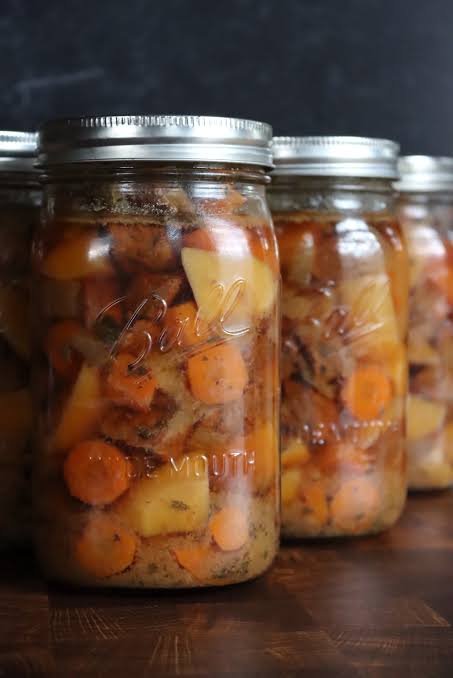
Canning homemade beef stew is one of the most rewarding kitchen projects you can ever take on at home. This traditional method allows you to preserve thick tender meat chunks, wholesome vegetables, and rich savory broth inside glass jars for long term storage. When you open a jar months later, you smell the same rich aroma as if you cooked it fresh on the stove today. Preserving your own beef stew gives you complete control over every single ingredient that goes into your body, which means no artificial additives, hidden chemical preservatives, or excessive salt. It is a fantastic way to turn fresh store bought or farm raised produce and raw meats into shelf stable meal options that sit ready on your pantry shelf whenever hunger strikes. Learning this skill brings back a wonderful feeling of self reliance, helping you connect deeply with traditional homesteading practices while filling your home with comforting smells.
People around the world absolutely love this canned beef stew recipe because it saves a massive amount of time on busy evenings while delivering incredible taste. Life can get extremely hectic during work weeks, and having a ready to eat meal in a glass jar means dinner is only five minutes away. You just pop the jar open, pour the rich stew into a pot on your stove, heat it up thoroughly, and enjoy a warm satisfying dinner without doing dishes or chopping raw meat. Families adore the deep flavors that develop inside the sealed jars, because as the stew sits over time, the meat becomes super tender and the herbal seasonings meld completely into the gravy. It gives you the luxurious taste of a slow cooked weekend dinner on a busy Tuesday night when you feel too tired to cook from scratch.
Making canned beef stew carries a wonderful emotional warmth, especially when the weather turns cold or when you want to show love to family members. Opening a homemade jar on a chilly evening feels like receiving a big comforting hug in a bowl, bringing back memories of grandmother cooking in her cozy kitchen. It is also an ideal meal for fitness enthusiasts and healthy lifestyle lovers who need high protein comfort food without unwanted chemicals. The stew is packed with lean beef for muscle building, vibrant root vegetables for steady natural energy, and simple broth to keep calories balanced. Preparing these jars during weekend meal prep helps you stay right on track with your nutritional goals throughout the busy month, preventing you from ordering greasy takeaway food when you feel stressed or hungry.
Another great reason to make this recipe is emergency prep and budget friendly meal planning. Buying beef cuts in bulk when prices drop saves you plenty of hard earned cash, and canning that meat prevents any waste or freezer burn. Freezers can fail during unexpected power outages, but home canned glass jars stay completely safe on your dark pantry shelves for a whole year or even longer. Having a clean cupboard stocked with homemade meals gives you total peace of mind during winter storms or unexpected financial tight spots. Cooking a huge batch of stew fills your heart with pride, transforming basic raw groceries into colorful pantry jewels that look gorgeous lined up in your kitchen, waiting to nourish the people you care about most.
Ingredients You Will Need
To make seven full quart jars of hearty homemade beef stew, prepare the following fresh ingredients:
-
5 pounds lean beef stew meat cut into small bite sized cubes
-
3 tablespoons high quality olive oil or vegetable oil
-
3 pounds fresh whole yellow potatoes, washed, peeled, and diced into medium cubes
-
2 pounds fresh whole carrots, washed, peeled, and sliced into round coins
-
1 pound yellow onions, peeled and chopped into medium pieces
-
1 pound fresh celery stalks, washed and sliced evenly
-
4 cloves fresh garlic, peeled and finely minced
-
8 cups low sodium beef bone broth or homemade liquid stock
-
2 tablespoons salt divided among jars or added to stock
-
1 tablespoon ground black pepper
-
2 teaspoons dried thyme leaves
-
2 teaspoons dried rosemary leaves
-
2 pieces bay leaves for the main pot
Step by Step Method
-
Prepare your pressure canner and your glass jars thoroughly. Wash seven quart sized glass mason jars, fresh metal lids, and metal screw bands in hot soapy water. Rinse them completely with warm clean water. Place the clean jars upright inside your pressure canner filled with three inches of hot water, keeping them warm on low heat so they do not crack when filled later.
-
Prepare all your raw ingredients on a clean cutting board. Trim away any excessive tough white fat from your five pounds of beef stew meat, because excess fat can cause lid sealing failures inside the canner. Cut the lean meat into neat one inch cubes. Wash, peel, and cut your potatoes, carrots, onions, and celery into uniform chunks. Keep the potato pieces floating in a bowl of cold water until needed so they do not turn brown.
-
Sear the beef cubes to build rich deep flavor. Heat three tablespoons of oil in a massive stainless steel stockpot over medium high heat. Add the beef cubes in small single layer batches so you do not crowd the pot. Cook each batch for four to five minutes until the meat turns golden brown on all sides. Remove the browned meat and set it aside on a clean plate.
-
Cook the aromatic vegetables in the same big pot. Throw your chopped yellow onions, sliced celery, and minced garlic into the pot with the remaining warm meat juices. Stir constantly for three minutes until the onions become soft and translucent. Pour in eight cups of beef broth and scrape the bottom of the pot with a wooden spoon to loosen all the tasty brown food bits stuck to the pan.
-
Combine all the ingredients into the pot. Bring the liquid broth to a gentle rolling boil. Stir in the browned beef cubes, diced potatoes, sliced carrots, black pepper, dried thyme, and dried rosemary. Turn the stove heat down to low and let the entire stew simmer for just ten minutes. Do not fully cook the vegetables or meat now, because they will finish cooking completely under pressure inside the jars.
-
Fill your warm glass mason jars safely. Use a jar funnel and a clean metal ladle to transfer the hot stew mix into your warm jars. Ensure every jar receives an equal blend of meat, potatoes, carrots, and warm savory liquid broth. Leave exactly one inch of empty space, known as headspace, at the top of each jar. This empty space is critical for proper sealing during pressure cooking.
-
Clean the glass jar rims carefully. Dip a clean paper towel into warm water or white vinegar. Wipe the top rim of every glass jar completely clean to remove any oil, broth, or food residue. Place a flat metal lid on top of each jar, then screw on a metal ring band until it is fingertip tight. Do not overtighten the bands, because air needs to escape from the jars during canning.
-
Process the filled jars in your pressure canner. Place the sealed jars carefully onto the rack inside your warm pressure canner. Fasten the canner lid securely, leaving the vent pipe completely open. Turn the heat to high until a steady steam stream blows continuously out of the vent pipe. Allow the steam to vent freely for ten full minutes to exhaust all trapped air inside the vessel.
-
Build correct pressure and set your timer. Place your pressure regulator weight over the vent pipe. Allow the internal pressure to rise to ten pounds on a weighted gauge, or eleven pounds on a dial gauge. Adjust your stove heat carefully to maintain this exact pressure level. Set your kitchen timer and process quart jars continuously for ninety minutes without letting the pressure drop below the required level.
-
Cool the canner down naturally and safely. Once the ninety minute timer finishes, turn off the stove burner completely. Leave the canner alone on the stove to cool down naturally. Never rush cooling by removing weights or running cold water over the pot. Wait until the pressure gauge reads zero completely, then remove the vent weight and wait two extra minutes before unlocking the canner lid away from your face.
-
Inspect and store your canned beef stew jars. Use heavy jar tongs to lift each hot jar straight out of the canner onto a thick wooden board or towel lined kitchen counter. Leave them completely undisturbed for twenty four full hours. You will hear satisfying popping sounds as the lids pull down tight and seal. Test seals after twenty four hours by pressing the lid centers. Store properly sealed jars in a cool, dark, dry pantry for long term enjoyment.
Why This Recipe Is Special
This canned beef stew recipe stands out because it delivers exceptional natural taste combined with outstanding nutritional value. Commercial canned soups sold in supermarkets often contain heavy amounts of artificial sodium, chemical thickeners, hidden sugars, and low quality meat pieces. By making your own stew at home, you choose premium lean beef cuts and fresh colorful vegetables packed with natural vitamins. The result is a clean, wholesome, deeply nourishing comfort meal that fuels your daily activities without leaving you feeling bloated or heavy.
The health points of this meal are truly impressive for the entire family. Beef provides high quality complete protein, essential iron, and vital B vitamins that keep your daily energy levels high and your muscles strong. Fresh carrots supply abundant vitamin A for healthy vision and immunity, while potatoes deliver clean complex carbohydrates to power your body through busy work days. Furthermore, cooking this stew without flour or starch thickeners before canning keeps it safe for canning guidelines while offering a naturally gluten free meal option for sensitive stomach diets.
The taste profile achieved through home pressure canning is simply superior to everyday standard meal prep. As the jars cook under high heat and pressure, the juices locked inside the glass extract deep flavors directly from the herbs, garlic, and beef bones. The beef tissues break down into extremely tender bites that dissolve in your mouth, while the carrots and potatoes soak up the rich, savory meat juices. It yields a homemade meal that tastes like it was prepared by an expert chef, right out of your simple pantry.
Extra Tips for Better Taste
To lift the overall flavor profile of your beef stew to top restaurant quality, try implementing these simple cooking tips:
-
Roast the raw vegetables on a baking sheet at four hundred degrees for twenty minutes before adding them to the pot to unlock deeper caramel flavors.
-
Add a splash of fresh apple cider vinegar or lemon juice right when you open and reheat the jar before serving to brighten up the rich savory broth.
-
Use homemade rich beef bone broth made from roasted marrow bones instead of water or store bought broth to create a silky, mouth coating broth texture.
-
Toss fresh herbs like parsley, chives, or a dash of black pepper into the hot bowl right before eating to add a bright burst of fresh kitchen scent.
-
Avoid using flour, cornstarch, or dairy thickeners during the canning process because they interfere with safe heat transfer. Thickening agents can easily be stirred into the stew when you reheat it in a saucepan later on.
Final Thoughts
Canning your own homemade beef stew is an absolute pleasure that fills your kitchen with warmth, safety, and delicious home cooked aromas. It combines simple everyday groceries into rich, hearty, long lasting pantry meals that save you precious time, energy, and money every single week. Sharing these colorful jars with your loved ones or serving hot bowls on cold evenings creates wonderful moments of comfort around the family dinner table. Give this traditional canning recipe a try in your kitchen, and enjoy the true joy of feeding your family wholesome homemade food whenever you like.
Nutrition Details
Here is the estimated nutrition information for one serving of this canned beef stew. This recipe produces about fourteen generous individual servings overall when processed into quart jars.
| Nutrient | Amount Per Serving |
| Calories | 320 kcal |
| Total Fat | 10 g |
| Saturated Fat | 3.5 g |
| Cholesterol | 75 mg |
| Sodium | 480 mg |
| Total Carbohydrates | 22 g |
| Dietary Fiber | 4 g |
| Sugars | 4 g |
| Protein | 34 g |
| Vitamin A | 120 percent Daily Value |
| Vitamin C | 25 percent Daily Value |
| Calcium | 40 mg |
| Iron | 3.8 mg |
Disclaimer
This recipe and its nutrition facts are provided for general educational and informational purposes only. Everyone’s individual body health, calorie needs, and dietary requirements are unique, so actual personal health outcomes and nutritional values may vary based on exact ingredients and portions used. Always follow accurate current home food preservation guidelines provided by trusted local agriculture extension offices to ensure full safety during pressure canning at home.