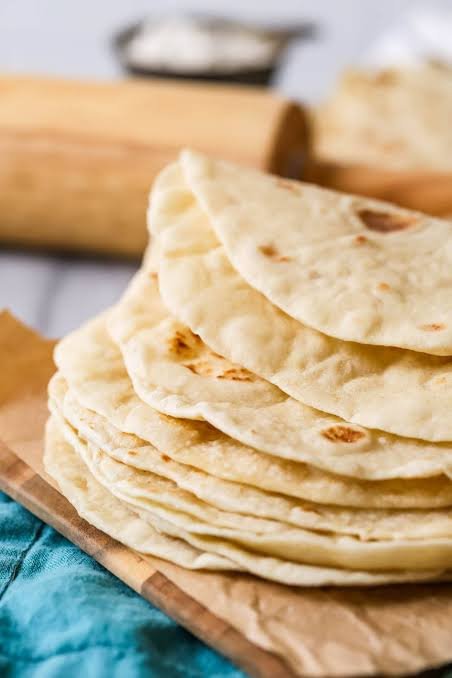
Sourdough flour tortillas are a wonderful twist on a classic kitchen favorite that brings both amazing taste and fantastic practical benefits into your daily cooking routine. This simple recipe takes basic ingredients from your pantry and turns them into soft pliable wraps that taste so much better than anything you can buy at a traditional grocery store. When you make these homemade wraps you are combining the ancient art of natural fermentation with the everyday necessity of quick family meals. The process uses your active sourdough starter or leftover discard to create a dough that rolls out easily and cooks up in just a few short minutes on a hot skillet. You will end up with warm golden tortillas that feature subtle pockets of air, a delicate chewy texture, and a rich depth of flavor that complements almost any filling imaginable. Whether you are standardizing your weekly meal prep or exploring new ways to reduce kitchen waste, learning how to make these from scratch will completely change how you think about taco night and quick lunch options.
People across the world fall in love with this recipe because it strikes the perfect balance between soft flexibility and deep heartwarming flavor. Store bought tortillas often contain strange chemical preservatives, extra processing agents, and artificial conditioners that leave them feeling gummy or smelling slightly sour in an unpleasant chemical way. In contrast, these homemade sourdough wraps rely on pure wholesome ingredients that deliver an authentic rustic charm and an irresistible buttery aroma as they cook on your stovetop. Home bakers especially appreciate how versatile this recipe can be because it allows you to utilize sourdough discard that might otherwise go straight into the trash bin. The small amount of natural acid present in the wild starter breaks down tough wheat starches, which ultimately creates a dough that feels amazingly soft in your hands and yields wraps that fold smoothly without tearing apart or cracking along the edges when stuffed full of your favorite ingredients.
There are so many wonderful reasons and special occasions to bring this delicious recipe into your routine kitchen rotation throughout the week. From an emotional perspective, rolling out fresh warm dough creates a sense of comfort, mindful relaxation, and pride that connects you to time honored baking traditions. From a health and fitness standpoint, using sourdough wild fermentation helps break down complex carbohydrates and phytic acid, making the final flatbread much easier on sensitive stomachs and far gentler on your digestive system than quick commercially made alternatives. You can make a batch on lazy Sunday afternoons to set yourself up for stress free weekday breakfasts, quick work lunches, or festive family dinners. The amazing buttery smell that fills your kitchen while cooking them on a hot cast iron skillet creates an inviting cozy atmosphere that brings family members together, making mealtime feel like a special celebratory event rather than a rushed chore.
Mastering this recipe gives you complete control over what goes into your body while saving you money and expanding your overall kitchen confidence. You no longer have to worry about running to the store at the last minute when you want to make burritos, quesadillas, soft tacos, or sweet breakfast wraps for your household. The natural keeping qualities of sourdough mean that these flatbreads stay amazingly fresh and flexible for longer periods without relying on artificial additives. Beginners can easily achieve great results on their very first attempt because the dough is extremely forgiving, easy to knead, and very quick to cook up. Every single tortilla you make will have unique golden spots and beautiful rustic shapes that show off your personal touch. Once you taste the incredible difference in flavor and experience how easy the process is, you will never want to go back to buying packaged wraps from the supermarket shelves again.
Ingredients You Will Need
To make these delicious homemade sourdough flour tortillas, gather the following simple ingredients with exact measurements ready for your baking session:
- Three cups of all purpose flour or unbleached bread flour (plus extra for dusting your work surface)
- One cup of sourdough starter discard or active bubbly starter at room temperature
- One half cup of warm clean water (add an extra tablespoon if your dough feels too dry)
- One third cup of high quality extra virgin olive oil, melted coconut oil, or traditional avocado oil
- One and one half teaspoons of fine sea salt or kosher salt
- One half teaspoon of baking powder (optional, but gives an extra fluffy light texture)
Step by Step Method
Step One: Preparing Your Work Area and Tools
Before you begin mixing your ingredients together, clear a large smooth table or countertop surface so you have plenty of room to roll out your dough easily. Gather a large mixing bowl, a sturdy wooden spoon or rubber spatula, a liquid measuring cup, measuring spoons, a heavy bottomed skillet or cast iron pan, a rolling pin, and a clean cloth towel. Having everything organized in advance makes the cooking process smooth, relaxed, and enjoyable from start to finish.
Step Two: Mixing the Dry Ingredients
In your large mixing bowl, add the three cups of all purpose flour, the fine sea salt, and the baking powder if you choose to use it. Use a wire whisk or a fork to stir all the dry ingredients together thoroughly for about one minute. This step ensures that the salt and baking powder are evenly distributed throughout the flour mix so that your flatbreads cook and rise evenly without any salty spots.
Step Three: Adding the Wet Ingredients
Create a small hollow well in the direct center of your dry flour mixture. Pour in one cup of your sourdough starter discard along with one third cup of your chosen oil and one half cup of warm water. The water should feel comfortably warm to the touch, similar to bath water, but not hot enough to burn.
Step Four: Combining Into a Soft Dough
Use your wooden spoon to gently stir the liquid ingredients into the surrounding flour mixture. Work slowly from the center outward until a rough shaggy dough begins to form inside the bowl. If the mix seems too dry and powdery after a few minutes of mixing, add one additional tablespoon of warm water. If the mixture feels excessively sticky, sprinkle in a small tablespoon of flour.
Step Five: Kneading the Dough
Turn the rough dough out onto your clean table or countertop. Use the palms of your hands to push the dough forward, then fold it back over itself, turn it slightly, and repeat. Knead the dough gently for about four to six minutes. You will notice the surface transform from a rough shaggy mess into a smooth, elastic, and soft ball of dough that feels wonderfully pleasant to touch.
Step Six: Resting the Dough
Shape the kneaded dough into one large neat ball. Place it back into your mixing bowl and cover the top tightly with a clean damp kitchen towel, a silicone lid, or plastic wrap. Let the dough rest undisturbed at room temperature for at least thirty minutes. This resting period is critical because it relaxes the gluten strands, allowing the natural fermentation process to soften the flour and making the dough much easier to roll out thinly later.
Step Seven: Dividing the Dough into Portions
After the dough has rested properly, move it back onto your clean work surface. Use a bench scraper or a sharp knife to divide the large ball into ten to twelve equal smaller pieces for standard sized tortillas, or eight pieces if you prefer large burrito style wraps. Roll each small piece between your hands to form neat round balls.
Step Eight: Resting the Portions
Arrange the small round dough balls on your counter or a baking tray with a little space between each one. Cover them loosely with your damp kitchen towel once again and allow them to rest for another ten to fifteen minutes. Resting these individual portions prevents the dough from shrinking or springing back like elastic when you try to roll it flat.
Step Nine: Rolling Out the Wraps
Take one dough ball while keeping the rest covered so they do not dry out in the open air. Dust your work surface and rolling pin with a tiny bit of flour. Press the dough ball flat with your fingers, then use your rolling pin to flatten it out from the center toward the edges. Rotate the dough frequently to maintain a round shape. Keep rolling until the tortilla becomes very thin, almost translucent, and measures roughly eight to ten inches across.
Step Ten: Heating Your Skillet
Place your heavy cast iron skillet or flat griddle over medium high heat on your stovetop. Allow the pan to heat up completely for about three to five minutes before adding any dough. A hot pan is the secret to getting beautiful brown spots, rapid air pockets, and soft flexible flatbreads without drying them out or making them tough. Do not add oil to the pan.
Step Eleven: Cooking the Flatbreads
Carefully lift your rolled dough and lay it flat onto the hot dry skillet. Cook for about forty five to sixty seconds on the first side. You should see large bubbles puffing up across the surface while small golden brown spots form on the underside. Flip the tortilla over using tongs or a spatula and cook the second side for another thirty to forty five seconds until lightly speckled.
Step Twelve: Keeping Them Warm and Soft
Remove the cooked tortilla from the hot skillet immediately and place it inside a clean folded cloth towel or a traditional wooden tortilla warmer. Stacking the hot flatbreads together inside a towel creates gentle steam that keeps them incredibly soft, pliable, and warm while you finish cooking the remaining dough balls. Repeat the rolling and cooking process for all remaining portions.
Why This Recipe Is Special
This unique recipe stands out from traditional options for several wonderful reasons that touch upon health benefits, rich flavor profiles, and kitchen practicality. First and foremost, the inclusion of wild sourdough culture introduces slow natural fermentation into your flatbread dough. This natural fermentation process breaks down complex starches and reduces phytic acid content, which is a naturally occurring compound that can bind to essential minerals and hinder your body from absorbing them efficiently. As a result, people who normally feel bloated or uncomfortable after eating heavy commercial grain products often find that these fermented wraps are remarkably easy on their digestive system.
From a culinary perspective, the subtle tangy undertones provided by the sourdough starter balance beautifully with the rich buttery notes of the oil, giving your homemade meals a gourmet depth that standard flatbreads simply cannot match. You get a perfect combination of delicate chewiness and flexible soft texture, meaning your burritos will not tear open, split, or drop ingredients onto your plate while you eat. Additionally, this recipe offers a practical zero waste solution for home bakers who want to make creative use of their sourdough discard instead of throwing it away during routine feeding schedules.
Furthermore, you gain complete peace of mind knowing every single ingredient that enters your home cooked food. Commercial store bought options are often loaded with chemical emulsifiers, artificial conditioners, palm oils, and synthetic preservatives intended to give them an unnaturally long shelf life on store racks. By baking these at home, you nourish your family with pure flour, good water, wholesome oil, natural salt, and healthy wild cultures, making your daily tacos, lunch wraps, and breakfast snacks significantly more nutritious and satisfying.
Extra Tips for Better Taste
To elevate your flatbread making experience and customize your results for maximum flavor, consider these simple creative suggestions:
- Use melted lard or rich butter instead of vegetable oil if you want an amazingly rich traditional flavor profile and a lighter flaky texture.
- Sprinkle garlic powder, dried oregano, or onion powder directly into the flour mixture to create delicious savory herb wraps perfect for sandwich lunches.
- Incorporate fine whole wheat flour or rye flour for up to one third of the total flour amount to add a deep earthy flavor and extra fiber to your meal.
- Allow your mixed dough to rest covered in your refrigerator overnight for twenty four hours if you want a stronger sourdough tang and even greater digestive benefits.
- Use a cast iron skillet whenever possible because heavy iron distributes heat uniformly and creates superior brown toasted spots without scorching the dough.
- Keep cooked flatbreads fully wrapped inside a thick damp towel so the trapped warm steam softens the outer edges as they cool down.
- Brush the warm surface lightly with extra virgin olive oil or melted garlic butter immediately after taking them off the heat for an indulgent finish.
Final Thoughts
Making your own sourdough flour tortillas at home is a deeply satisfying kitchen skill that brings joy, delicious warmth, and wonderful health benefits to your everyday meal routine. With just a handful of simple basic ingredients and a few minutes of hand kneading, you can create soft, flexible, and deeply flavorful flatbreads that put store bought varieties to shame. This forgiving recipe is ideal for beginners while offering endless creative options for experienced home cooks looking to minimize food waste and upgrade their taco nights. Once you experience the comforting aroma of fresh dough puffing up on a hot skillet, you will happily make this recipe a treasured part of your weekly family menu.
Nutrition Details
Below is the nutritional breakdown estimated for a complete recipe batch and calculated per individual serving based on a yield of ten standard flatbreads:
| Nutritional Component | Full Recipe Batch Total | Per Single Serving (One Tortilla) |
| Calories | 1950 kcal | 195 kcal |
| Total Fat | 72 g | 7.2 g |
| Saturated Fat | 10 g | 1.0 g |
| Trans Fat | 0 g | 0 g |
| Cholesterol | 0 mg | 0 mg |
| Sodium | 3100 mg | 310 mg |
| Total Carbohydrates | 270 g | 27 g |
| Dietary Fiber | 11 g | 1.1 g |
| Total Sugars | 2 g | 0.2 g |
| Protein | 42 g | 4.2 g |
| Calcium | 150 mg | 15 mg |
| Iron | 12 mg | 1.2 mg |
| Potassium | 380 mg | 38 mg |
Disclaimer
Please remember that everyone has unique biological needs, health requirements, and digestive responses. The nutritional values listed in this article are calculated estimations based on standard ingredients and may vary depending on the specific brands, flours, fats, or starter cultures you choose to use in your kitchen. If you have severe gluten sensitivities, celiac disease, or specific dietary restrictions, please consult with a qualified healthcare professional or certified nutritionist before introducing new fermented wheat products into your diet